


Cockatiel Bird Complete Guide For Owners And Bird Lovers
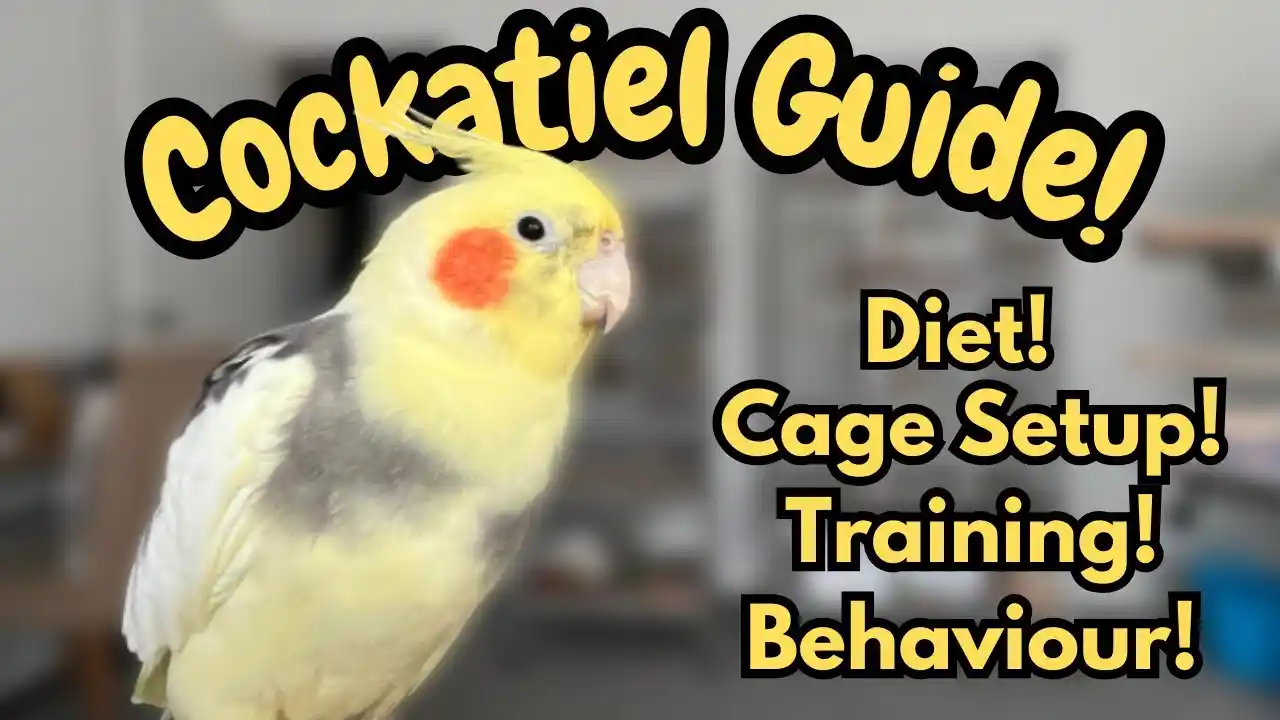
This is the most commonly kept pet parrot on earth for good reason. They are quiet, loyal, goofy little companions. This is the information existing owners wish someone had told them on day one.

Key Takeaways
- A well cared for captive cockatiel will live 15-25 years, this is not a short term commitment
- Seed only diets are the single largest preventable cause of early death in pet cockatiels
- Males sing to communicate comfort, not just to attract attention
- Almost all behaviour problems are caused by boredom, not bad temperament.
Table of Contents
Cockatiel
The cockatiel is a small companion parrot, and the smallest member of the cockatoo family. Native exclusively to arid inland Australia, they have been kept as household pets for over 150 years.
They are unique among parrots. Almost every other popular parrot will scream, bite or destroy furniture. Cockatiels almost never do any of these things.
They are gentle, consistently friendly, tolerate mistakes extremely well, and very rarely become aggressive even when stressed. This is the only parrot that can reasonably be recommended to someone who has never owned a bird before.
The Origin And Meaning Of The Name Cockatiel
This name is almost always mis-explained online. It is not an aboriginal word. It is a mispronunciation. When European naturalists first encountered the bird in 1792 they named it Cockateel, meaning little cockatoo. 100 years of spelling errors produced the name we use today.
Most new owners are incorrectly told the name means something exotic. It does not. It just means small cockatoo.
Is Your Cockatiel's Diet Cutting Years Off Its Life?
Seed-only diets cause 17 nutrient deficiencies and are the single largest preventable cause of early death. Discover the 60/30/7/3 feeding plan vets actually recommend.
What Is A Cockatiel By Scientific And Biological Definition?
The cockatiel is the only member of the genus Nymphicus. Its full scientific name is Nymphicus hollandicus. It is taxonomically classified as a true cockatoo, not a parakeet.
This is the most misunderstood fact about the species. They share almost all underlying behavioural traits of their much larger relatives, just scaled down.
Cockatiel Lifespan
In the wild cockatiels live an average of 5-7 years. In captivity, recorded lifespan follows this verified population distribution:
| Percentile | Age at death | Notes |
|---|---|---|
| 25% | 11 years | Average outcome for most pet cockatiels |
| 50% | 16 years | Result of good average care |
| 75% | 22 years | Excellent diet and low stress |
| 95% | 29 years | Good genetics + good care |
| Maximum recorded | 36 years | Verified individual |
Four factors determine lifespan more than everything else combined. In order: diet, amount of out of cage time, absence of chronic stress, and genetics.
Almost every cockatiel that dies before 12 years old dies from a completely preventable cause. Almost always diet.
What Do Cockatiels Eat For A Healthy And Balanced Diet?
Diet is 80% of cockatiel care. Get this right and almost everything else will work itself out. Get this wrong and nothing else you do will matter.
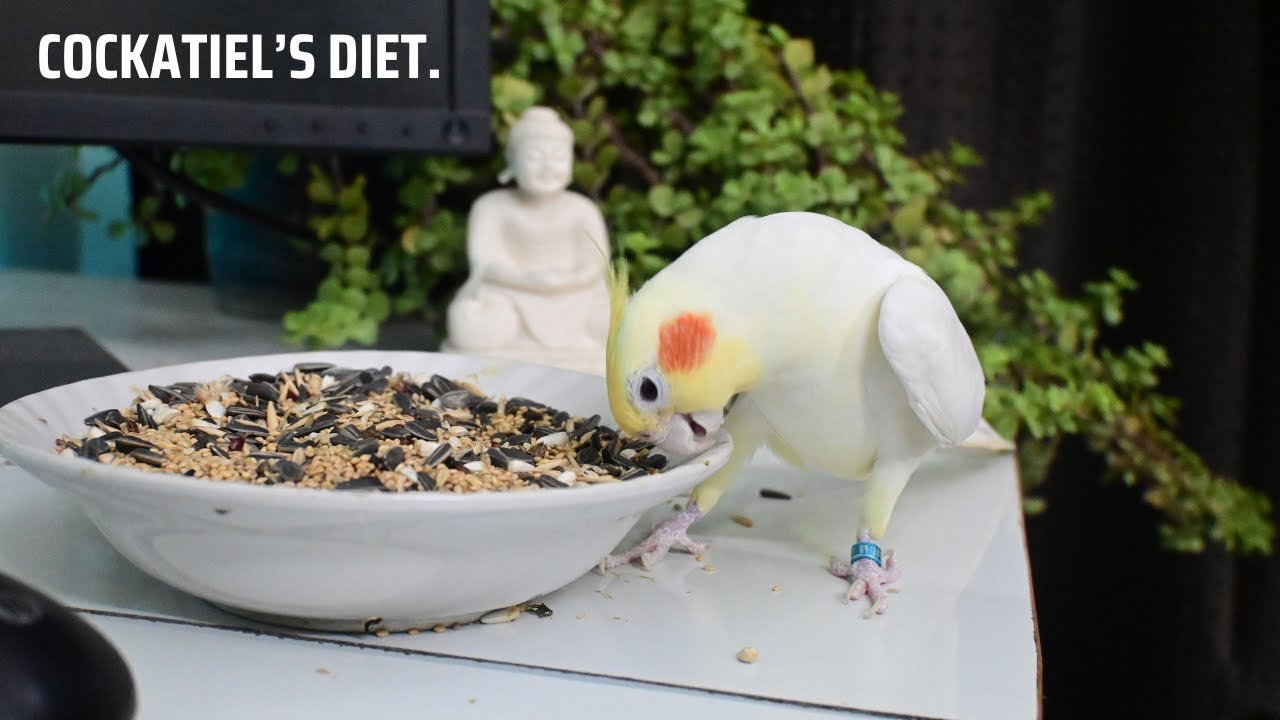
A healthy cockatiel diet consists of approximately 60% formulated pellets, 30% fresh vegetables, 7% sprouted seed, and 3% treats. This is the consensus recommendation of every major avian veterinary association worldwide.
You will see thousands of people online arguing against this advice. You will see people tell you their seed only bird lived 18 years. They are telling the truth. They are also the exception. For every one bird that survives that way, nine will die before they are 10.
Why Pellets Are Recommended As The Primary Base Of A Cockatiel Diet
Pellets are the single most controversial topic in cockatiel ownership. This is the impartial comparison you will not see anywhere else:
| Seed Only Diet | Formulated Pellets | |
|---|---|---|
| Average expected lifespan | 8-12 years | 16-22 years |
| Known deficiencies | 17 essential nutrients | 0 confirmed deficiencies |
| Common health issues | Liver failure, vitamin deficiency | None confirmed at population level |
| Downsides | All of them | Boring, birds dislike them initially |
Do not switch a bird cold turkey. Transition gradually over 6 weeks using the standard graduated schedule. Be consistent.
Cockatiel Color Mutations And What Makes Each One Unique
In the wild there is exactly one cockatiel colour. Every other colour you have ever seen is a human created mutation.
As of 2025 there are 22 recognised standard colour mutations. All of them were created through selective breeding since 1950. None exist in wild populations.
It is extremely important to understand: colour mutation has zero measurable effect on personality, health, lifespan or intelligence. All differences you read about are confirmation bias. They are all exactly the same bird with different paint.
What Is A Lutino Cockatiel And Why Is This Mutation So Popular?
Lutino is the first and by far the most famous cockatiel mutation. First bred in 1958, it is now more common than the original wild grey colour.
Lutino birds are solid pale yellow, with bright orange cheek patches and red eyes. It became popular for one simple reason: it looks much friendlier. There is no other reason.


How To Choose And Set Up The Right Cage For Your Cockatiel
Cage size is not a preference. It is a welfare requirement.
For one single cockatiel the recommended minimum internal dimensions are 24 inches wide, 18 inches deep, 24 inches tall. Wider is always better than taller. Bar spacing must be 1/2 inch or less.
Do not fill the cage with toys. A cockatiel does not want a cluttered room. It wants empty space to flap its wings. Place the cage at eye level, against a solid wall. Never place a cage in the middle of an open room. This causes constant chronic stress that you will never observe externally.
How To Care For A Cockatiel Every Day: Feeding, Grooming, And Bonding
Daily care routine for a healthy cockatiel takes approximately 12 minutes per day. That is it.
Change water. Refresh food. Spend 5 minutes sitting next to the cage talking quietly. That is the mandatory daily work. Everything else is optional.
Here is the thing:
You do not need to constantly handle this bird. You do not need to train tricks. Most cockatiels are perfectly happy just being in the same room as you, doing nothing. That is how they bond.
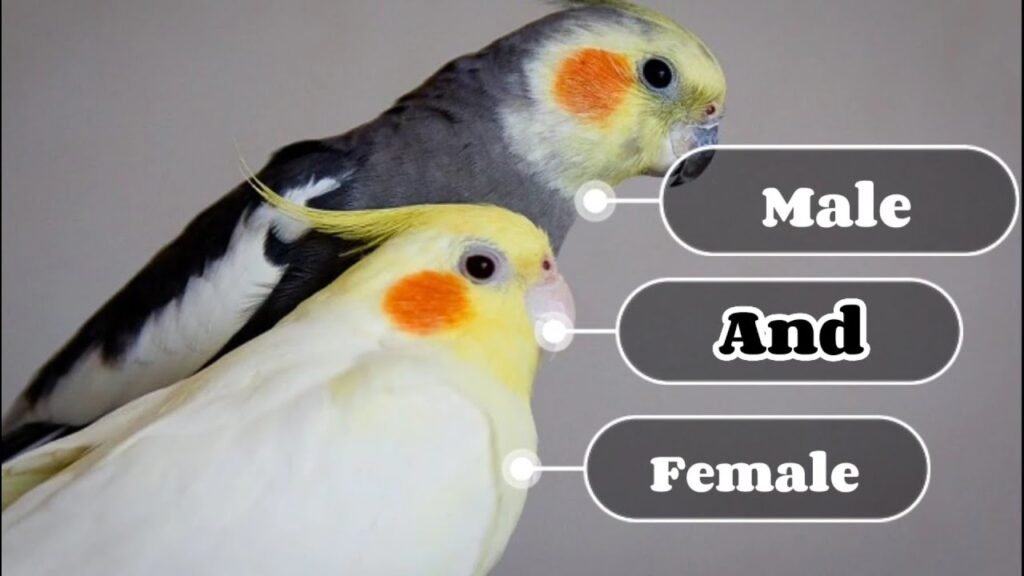
Male Vs Female Cockatiel
Once mature, males and females are almost completely different birds.
Males will sing, whistle, mimic sounds, strut, and show off. Females will almost never sing. They are quieter, calmer, more affectionate, and much less likely to bite.
Contrary to almost all popular advice, females make significantly better pets for most owners. Most new owners buy males because they want a singing bird, and then regret it 6 months later.
For all mutations except original grey you will need a DNA test. They cost approximately 12 dollars. Do not guess. Everyone guesses wrong half the time.
How Experienced Owners Help Cockatiels Live Past 22 Years
The top 75% of pet cockatiels reach age 22 — not by luck, but through four proven care factors. Follow the same approach trusted by avian veterinary associations worldwide.
Why Do Cockatiels Sing And What Do Their Vocalizations Mean?
Male cockatiels do not sing for you. They do not sing to get food. They sing because they are comfortable.
When a male cockatiel sits on your shoulder and quietly whistles to himself, that is the highest possible expression of trust. He is telling you that he feels safe enough right now that he can stop watching for danger.
If your cockatiel stops singing, that is not training failure. That is the single earliest and most reliable warning sign that something is wrong. When they stop singing, start looking for the problem.
Where To Find A Cockatiel For Sale From A Trusted Source
Never buy a cockatiel from a general pet store. Almost all pet store birds are mass bred, poorly socialised, and very frequently carry undiagnosed diseases.
Good options are independent hobby breeders, bird rescue organisations, or private rehoming listings.
When you go to see a bird, do not look at how pretty it is. Stand quietly and watch the cage for 10 minutes. If the birds are sitting calmly preening, that is a good breeder. If they are all pressed against the back panicking, leave.
How Much Does A Cockatiel Cost?
| Item | One time | Monthly | 20 year lifetime |
|---|---|---|---|
| Bird | $80-250 | – | $80-250 |
| Cage setup | $380 | – | $380 |
| Food & supplies | – | $32 | $7680 |
| Veterinary care | – | $18 | $4320 |
| Total expected | $460 | $50 | $12450 |
Most people budget for the bird. Almost nobody properly budgets for the full lifetime of ownership.
Cockatoo Vs Cockatiel
These are not separate species. One is just the small version.
A cockatiel will whistle. A cockatoo will scream loud enough that your neighbour will text you. If you are considering your first bird, get the cockatiel. There are no exceptions. Nobody ever regretted starting with a cockatiel first. Very many people regretted starting with a larger cockatoo.
Download the Complete Cockatiel First-Week Setup Checklist
Cage dimensions, bar spacing, food ratios, placement rules — everything covered in this article in one printable checklist so nothing gets missed on day one.
Frequently Asked Questions About Cockatiel
What Is A Cockatiel Bird And Why Is It Such A Popular Pet?
The cockatiel is the worlds most popular pet parrot. It is popular for exactly one reason: it is the only parrot that is nice, almost all of the time. They do not demand perfection. They forgive mistakes. That is why people love them.
How Long Does A Cockatiel Lifespan Last In Captivity?
With good diet and proper care 18-22 years is typical. You should plan for 25 years when you decide to get one. Do not get this bird if you are not prepared for that commitment.