


How Do Cockatiels Sleep: Baby Hours Covered And One Leg Signs
I remember the first time my cockatiel thrashed wildly in the dark; my heart raced as I realized night frights could cause serious injury. If you’ve watched your bird sleep on one leg or worry about those sudden flaps, you’re not alone. Misunderstanding sleep cues risks your bird’s health and safety. This guide decodes every position, fixes sleep disruptions, and gives you the exact routine I use to ensure my flock rests safely every single night.

Key Takeaways
- Adult cockatiels need 10-12 hours of darkness, while babies require 14-16 hours to support rapid growth and immune function.
- Night frights demand immediate action; use a dim red nightlight and secure perches to prevent injury from thrashing.
- Sleeping on the cage floor or labored breathing are emergency signs requiring an avian vet, not just normal rest behavior.
Table of Contents
How Do Cockatiels Sleep
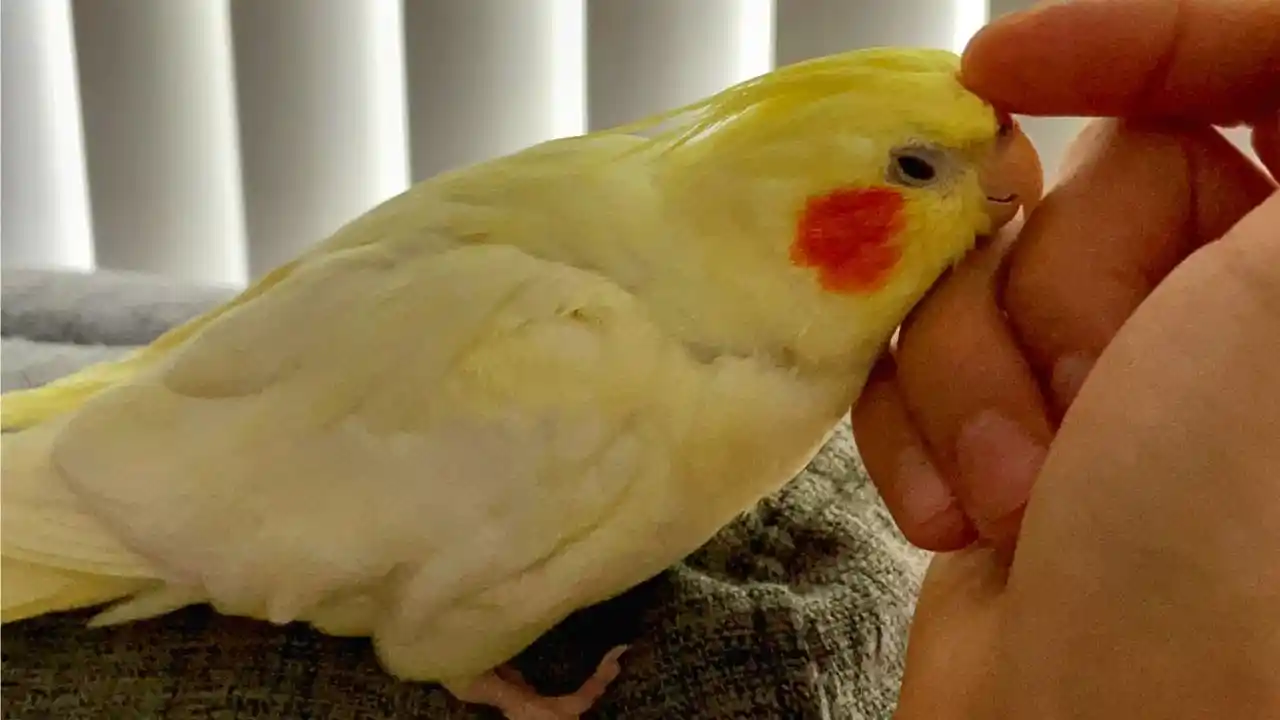
Cockatiels are diurnal birds that enter distinct light and deep sleep cycles, often tucking their heads and grinding beaks when secure. I’ve observed my own birds shift from alert perching to deep relaxation only when the room hits total silence and darkness. They conserve heat by fluffing feathers and may stand on one leg to reduce thermal loss. Beak grinding is a positive sign I always look for; it signals contentment. Disrupted cycles weaken immunity, so consistency is non-negotiable.
Selling Point: Explore Our Range Of Cockatiel Sleep Accessories And Cage Covers Designed To Help Your Bird Rest Better — Shop Now For A Happier, Healthier Bird.
How Much Sleep Does A Baby Cockatiel Need?
Babies crash hard. I recall my hand-fed tiel napping mid-play, dropping his head suddenly. Their metabolic rate demands extended rest for development. Sleep deprivation in juveniles can stunt growth and cause behavioral regression. I ensure my babies get covered by 7 PM and allow daytime naps in a quiet corner. Weaning stress increases sleep needs; I never interrupt a sleeping baby unless feeding is critical.
| Age Group | Required Sleep | Key Behavioral Signs |
|---|---|---|
| Baby (0-6 Months) | 14-16 Hours | Frequent day naps, sudden sleep drops, higher appetite after rest. |
| Juvenile (6-12 Months) | 12-14 Hours | Consolidating night sleep, occasional day naps, active molting. |
| Adult (1 Year+) | 10-12 Hours | Stable night sleep, alert during day, consistent routine. |
Expert Tip: I track sleep hours during weaning. If a baby sleeps excessively without eating, I check crop emptying and consult my vet.
Is Your Cockatiel's Sleep Hiding A Health Crisis?
Sleep position changes are often the first sign of illness in cockatiels. Learn to read the warning signs before they become emergencies.
What Are The Most Common Cockatiel Sleeping Positions?
I check positions nightly to gauge comfort. A relaxed bird signals trust in its environment. Changes in posture often precede visible illness, so I use positions as an early warning system. One-leg standing is the gold standard for a secure, warm bird.
| Position | Meaning | Owner Action |
|---|---|---|
| One Leg Tucked | Comfort, heat conservation. | None; bird is happy and secure. |
| Head Under Wing | Deep sleep, high security. | Keep environment quiet; avoid disturbances. |
| Fluffed & Shivering | Cold stress or illness. | Check room temperature; monitor for other symptoms. |
| Floor Sleeping | Emergency sign. | Contact avian vet immediately. |
Is It Normal For A Cockatiel To Sleep With Its Head Down?
Head down can be stretching or tucking. I differentiate by checking neck tension. If the head is tucked into back feathers, it’s normal. If the head hangs low with an extended neck during waking hours, I investigate. My birds sometimes bow their heads on the chest when deeply relaxed, but they perk up instantly when I approach. Persistent drooping without response is a red flag I never ignore.
Why Is My Cockatiel Sleeping On Its Food Bowl?
I’ve seen this when the bowl is the highest point. Cockatiels instinctively roost high. In my flock, this also signaled resource guarding during hormonal seasons. I moved food bowls to lower levels and added a dedicated high perch. This broke the habit. If your bird sleeps on the bowl, check for hormonal triggers like long light exposure or nest-like shadows.
Do Cockatiels Sleep With Their Eyes Open?
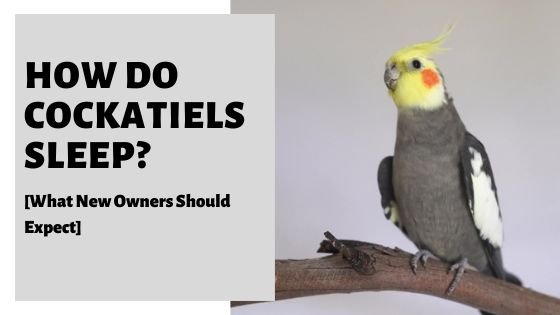
Cockatiels use unihemispheric slow-wave sleep, allowing one brain hemisphere to rest while the other monitors threats. I’ve watched my bird keep the eye facing the door open while the other sleeps. This is a survival instinct. In a trusted space, both eyes eventually close. If my bird consistently sleeps with both eyes open and body tense, I know he feels unsafe. I reduce noise and check for shadows.
For deeper insight into avian sleep mechanisms, review this avian sleep research.
What Time Should A Cockatiel Go To Bed?
I stick to a strict 8 PM cover time. Circadian rhythms control hormones, molting, and mood. Inconsistent light triggered unwanted egg-laying in my hens until I installed timers. I recommend aligning bedtime with sunset. If your schedule varies, use blackout curtains and automated lights. Consistency prevents hormonal surges and aggression. My birds settle faster when the routine is predictable.
Do Cockatiels Need To Be Covered At Night?
I cover three sides of the cage. Full covers block drafts and light, simulating a roost cavity. However, some of my birds panicked with full covers, so I tested partial coverage. Breathable fabric is essential to prevent overheating. I avoid heavy blankets that trap heat. If your household is noisy, a cover dampens sound. Observe your bird; if he paces or vocalizes when covered, try a sleep cage in a quiet room instead.


Do Cockatiels Like Light At Night?
Total darkness is best for melatonin production, but night frights change the equation. I use a dim red bulb for my fright-prone male. Red wavelengths have minimal impact on sleep cycles compared to white or blue light. I tested this by monitoring his restlessness; the red light reduced thrashing without waking him. Avoid bright nightlights.
| Light Type | Impact on Sleep | Recommendation |
|---|---|---|
| Total Darkness | Optimal for rhythm. | Use if bird has no night frights. |
| Red/Amber | Low disruption. | Use for night fright prevention. |
| White/Blue | Disrupts melatonin. | Avoid completely near cage. |
How Can You Help A Cockatiel Fall Asleep?
I dim lights an hour early. This wind-down period signals rest. I lower voices and stop cage interactions. White noise masks sudden sounds from my dog barking. I check that perches are secure and remove swing toys that might bump the bird. A calm environment reduces cortisol. I also verify the room temperature is stable before covering.
For routine planning, consult this circadian rhythm guide.
Do Birds Get Cold At Night?
I keep the room at 70°F. Cockatiels are sensitive to drafts and drops below 65°F. I position cages away from windows and vents. If the temperature dips, I use a safe radiant panel heater near the cage, never inside. Shivering while fluffed indicates cold stress. I monitor this closely during winter. Overheating is also a risk; I ensure airflow remains adequate.
How Expert Owners Prevent Dangerous Night Frights
Experienced cockatiel keepers use red nightlights, secure perches, and breathable cage covers to eliminate thrashing injuries. Get the exact setup that works.
What Are Night Frights In Cockatiels?
Night frights terrified me until I built a protocol. Sudden thrashing can break blood feathers, causing severe bleeding. My birds are prone to frights from car headlights or shadows. I secure all perches and remove sharp toys. Blood feather first aid supplies are always in my kit. Preventing frights is safer than treating injuries. I use red lights and cover three sides to block visual triggers.
Selling Point: Browse Our Selection Of Calming Bird Perches And Nightlight Solutions — Designed Specifically To Reduce Night Frights And Help Your Cockatiel Sleep Soundly.
How Can You Calm A Frightened Cockatiel At Night?
When a fright happens, I turn on a dim light instantly to reorient the bird. I speak in a soft, steady tone. I check for injuries, focusing on wings and blood feathers. If bleeding occurs, I apply styptic powder and pressure. Once calm, I leave the dim light on for the rest of the night. I never grab a panicked bird; I wait for him to settle.
Branching Sleep Quiz:
- Q1: Does your bird thrash or flap violently at night?
- Yes: Implement Night Fright Protocol immediately. Use red light and secure perches.
- No: Go to Q2.
- Q2: Is your bird sleeping on the cage floor?
- Yes: Vet Emergency. Stop reading and call your avian vet.
- No: Go to Q3.
- Q3: Is your bird a baby or juvenile?
- Yes: Ensure 14-16 hours of sleep including naps.
- No: Maintain 10-12 hours of darkness and consistent routine.
How Can You Tell If A Cockatiel Is Sleeping Or Unwell?
I monitor breathing rhythm. Tail bobbing while resting is a red flag I never ignore. Healthy sleep involves silent, steady breaths. If my bird sleeps on the floor, fluffs persistently during the day, or shows discharge, I isolate him in a warm hospital cage and call the vet. Birds mask illness until critical; sleep changes are often the first clue. I trust my instincts and act fast.
Find a specialist using this avian vet directory.
| Symptom | Normal Sleep Indicator | Illness Alert |
|---|---|---|
| Feather State | Slight fluff for warmth. | Persistent fluffing day and night. |
| Location | High perch, one leg. | Cage floor or huddled low. |
| Breathing | Silent, steady rhythm. | Tail bobbing, clicks, or wheezing. |
| Response | Wakes alert to sound. | Lethargic, slow to respond. |
Download The Complete Cockatiel Sleep Routine Checklist
From bedtime cover technique to emergency floor-sleeping response, this checklist covers every position, age group, and nightly step in one printable guide.
Frequently Asked Questions About How Do Cockatiels Sleep
How Do Cockatiels Sleep And What Should Every Owner Know?
Cockatiels sleep by perching, often on one leg, with heads tucked into back feathers. They need 10-12 hours of darkness. I prioritize a draft-free environment and secure perches. Owners must watch for position changes that signal stress or illness.
What Are Night Frights In Cockatiels And How Can You Prevent Them?
Night frights are panic episodes caused by shadows, sounds, or movement. I prevent them with red nightlights, cage covers, and secure setups. If a fright occurs, calm the bird with dim light and check for injuries.