


How Many Eggs Does A Cockatiel Lay: Clutch Incubation Period
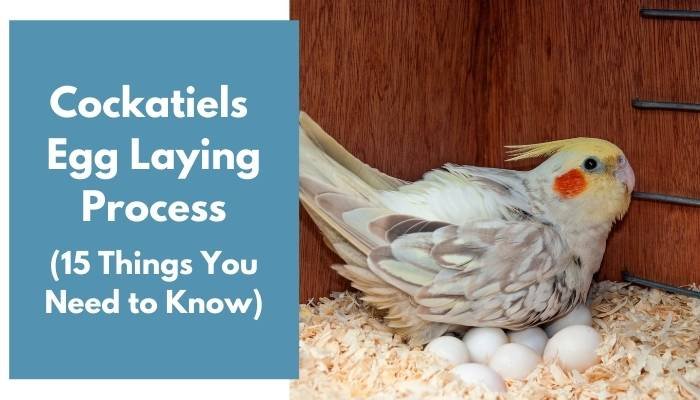
Finding an egg in your cockatiel’s cage is a common milestone for owners, yet it often triggers alarm. While a typical clutch ranges from 4 to 7 eggs, understanding the biology behind this process is vital for your bird’s safety. Whether your cockatiel has a mate or is laying unfertilized eggs, knowing how to manage the environment and nutrition is essential. This guide covers the full reproductive cycle, helping you differentiate between a healthy nest and a potential medical emergency.

Key Takeaways
- 4 to 6 eggs per clutch is normal. Remove infertile eggs only after day 10.
- Egg binding kills within hours. Tail bobbing plus floor sitting means emergency vet now.
- Chronic laying (3+ clutches yearly) requires veterinary hormone treatment.
- Calcium: 50 mg per 100g body weight daily during laying cycles.
- Never remove eggs on day 1. It restarts the entire cycle.
Table of Contents
How Many Eggs Does a Cockatiel Lay
The average cockatiel lays between 4 and 7 eggs in a single clutch. It is a common misconception that a hen must lay eggs to be “healthy” or “mature.” In reality, laying eggs is physically taxing. A hen utilizes her own skeletal calcium to form the eggshells. If her diet is deficient, she risks severe health consequences. Even without a mate, a hen can produce a full clutch of unfertilized eggs. If you discover an egg, do not panic; it is a natural, albeit hormonal, process.
How Many Times Does a Cockatiel Breed in a Year?
While cockatiels can physically produce several clutches a year, most avian experts recommend limiting this to once or twice. Chronic reproduction depletes vital nutrients and places the hen at risk for reproductive cancers and exhaustion.
| Frequency Level | Recommended Action | Health Risk |
|---|---|---|
| Once Per Year | Normal | Low |
| Twice Per Year | Monitor closely | Moderate |
| 3+ Times Per Year | Seek Vet Advice | Very High |
Is Your Cockatiel's Egg Laying a Health Emergency?
Tail bobbing and floor-sitting can mean your bird has hours, not days. Learn to spot the difference between normal laying and a life-threatening egg binding crisis.
What Month Do Cockatiels Breed?
Domestic cockatiels do not have a set breeding month. They rely on “cues” to trigger hormonal surges. By mimicking spring, you accidentally encourage your bird to cycle.
How Soon After Mating Do Cockatiels Lay Eggs?
Following a successful mating event, the first egg usually arrives within 10 to 14 days. This window is when the hen is most vulnerable to calcium depletion. She will often spend time in a “nesting” area, which can be a corner of the cage or a provided box.
How Often Do Cockatiels Lay Eggs?
Typically, a hen lays one egg every 48 hours. This spacing allows her body a brief recovery window. If you notice a shorter interval, or if she lays daily, it is a sign that her hormone levels are dangerously high or her diet is improperly stimulating her reproductive system.
| Event | Typical Timeline | Action Required |
|---|---|---|
| First Egg | Day 0 | Mark date on calendar |
| Subsequent Eggs | Every 48 hours | Monitor calcium intake |
| Clutch Completion | 10-14 days | Observe for lethargy |
How Long Do Cockatiel Eggs Take to Hatch?
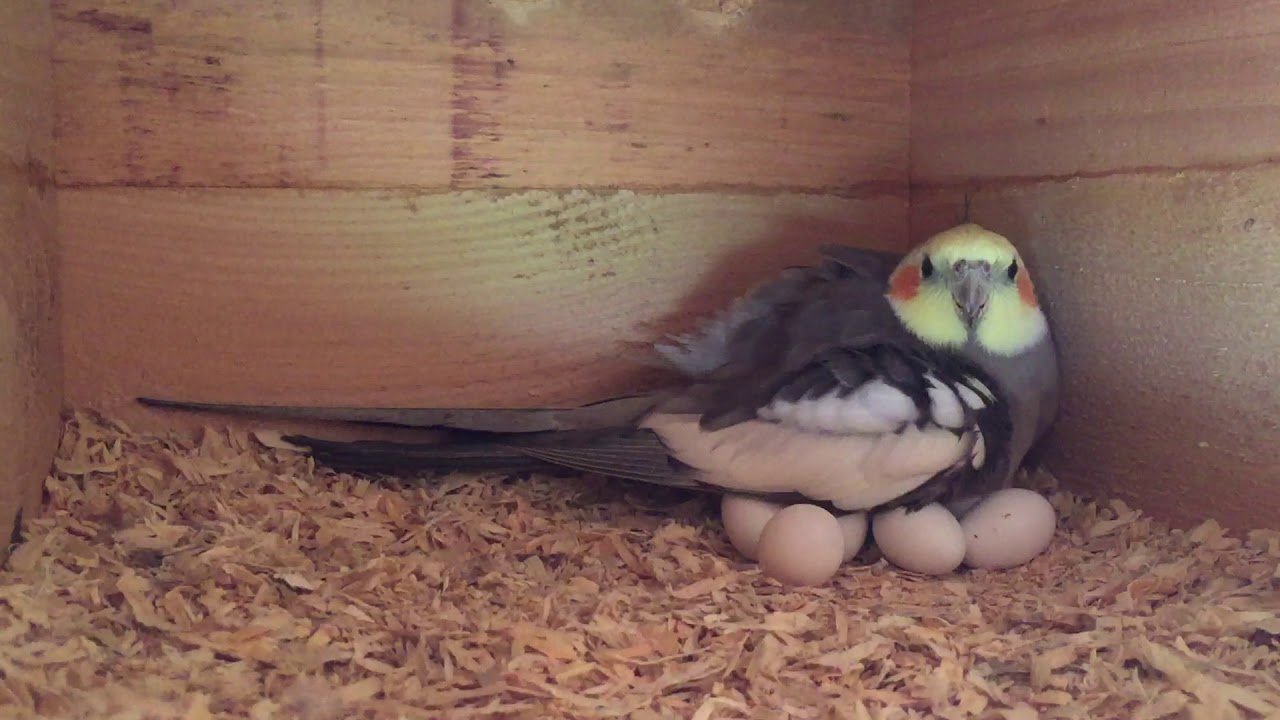
The incubation period is 18 to 22 days. Do not expect all eggs to hatch at once; most hens wait until the second or third egg is laid to start dedicated brooding.
What Is the Cockatiel Egg Incubation Period?
Incubation is a shared duty. The male often covers the nest during the day, while the female takes the night shift. For success, the environment must be quiet and stable.
Are Fertile Cockatiel Eggs Different From Infertile Ones?
Determining fertility requires candling—shining a focused LED light through the shell. You are looking for a spider-like web of red veins. If the egg is clear, it is infertile.


What Triggers Egg Laying in Cockatiels?
- Photoperiod: More than 12 hours of light.
- Diet: High-fat or “warm/mushy” foods (like cooked mashes).
- Environment: Providing a nest box or dark nesting corner.
- Social: Being petted on the back, which is a mating signal.
Can Cockatiels Lay Eggs Without Mating?
Yes. Unfertilized eggs are standard in domestic flocks. These eggs are biologically identical to fertile ones on the outside but will never develop. You should not discard them immediately if the hen is attached, as this can trigger a cycle of constant laying.
My Cockatiel Laid an Egg, So Now What?
- Remain calm.
- Observe: Is she eating? Is her posture upright?
- Leave it: Let her sit for roughly three weeks to allow her hormonal drive to subside naturally.
Expert Avian Nutrition Trusted by Parrot Owners Worldwide
Vets recommend 50 mg of calcium per 100g of body weight during laying cycles. Discover the pellets, cuttlebone, and UV supplements that meet that standard.

What to Do During an Active Egg-Laying Cycle
During an active cycle, focus on calcium and vitamin D3. If you do not supplement, she will steal calcium from her own bones to build the shells.
| Nutrient | Purpose | Source |
|---|---|---|
| Calcium | Shell integrity | Cuttlebone, pellets |
| Vitamin D3 | Absorption | Sunlight (or UV bulb) |
| Protein | Muscle recovery | High-quality seeds |
Hatchling Care and Weaning Guide for New Cockatiel Parents
Raising chicks is an intensive process. The parents usually manage feedings, but you must provide unlimited, high-quality food. Weaning typically occurs around 6 weeks.
What Happens If Cockatiel Eggs Do Not Hatch?
If 24 days pass, the eggs are likely dead. Remove them after the hen abandons the nest for a full 24-hour period.
What Is Chronic Egg Laying and When Should You See a Vet?
Chronic Egg Laying (CEL) occurs when a bird enters a cycle and never stops. This leads to egg binding.
Emergency Symptoms Table:
| Symptom | Action |
|---|---|
| Sitting on cage floor | EMERGENCY VET |
| Straining to defecate | EMERGENCY VET |
| Blood on vent | EMERGENCY VET |
Download Your Free Cockatiel Egg-Laying Cycle Checklist
Track every 48-hour laying interval, calcium supplement schedule, and the 18–22 day incubation window with one printable reference sheet.
Frequently Asked Questions About How Many Eggs Does a Cockatiel Lay
How Many Eggs Does a Cockatiel Lay in a Single Clutch?
4 to 7 eggs is the standard. Anything consistently over 8 may indicate a hormonal imbalance.
What Is Chronic Egg Laying in Cockatiels and When Should You See a Vet?
CEL is the inability to break the cycle of laying. See a vet if she lays two consecutive clutches or shows any sign of lethargy.