

How Big Do Cockatiels Get: Average Length Weight And Healthy Range
You are bringing home a new feathered companion and need to know exactly how big do cockatiels get to prepare their living space correctly. Understanding the precise dimensions of a fully grown bird is vital for choosing the right cage, selecting safe toys, and monitoring their long-term health.
Having worked closely with avian care specialists and monitored the growth cycles of numerous companion birds, I can guide you through the exact measurements you need to watch. We will cover standard lengths, healthy weight ranges, and how to track development over time.

Key Takeaways
- Adult cockatiels typically reach 30 to 33 centimetres in length from beak to tail.
- A healthy adult weight falls safely between 75 and 120 grams.
- Cage sizing must accommodate a full wingspan of up to 50 centimetres.
- Posture and crest position dramatically change how tall the bird appears.
- Weighing your bird weekly helps detect early signs of illness or obesity.
- Perch diameters should directly match the size of your bird’s feet.
Table of Contents
How Big Do Cockatiels Get
Adult cockatiels grow to an average length of 30 to 33 centimetres from the top of their head to the tip of their long tail feathers. Their wingspan usually stretches between 45 and 50 centimetres when fully extended. This places them firmly in the small to medium parrot category.
A healthy body frame feels solid but not heavy. When you handle your bird gently, you should be able to feel the keel bone down their chest without it feeling sharp or entirely covered in fat. Genetics, diet, and early environmental factors all play a part in determining the final adult size of your pet.
To ensure your new arrival has everything required for their specific size, you can explore our recommended cockatiel care products and starter kits to give your bird the best start.
What Is The Average Cockatiel Size In Length And Weight?
The average cockatiel measures roughly 32 centimetres in length and weighs approximately 90 grams. These measurements serve as a standard baseline for the species in captivity.
Length and weight interact closely as indicators of overall health. A bird on the longer side of the spectrum naturally carries more weight. If a bird is exceptionally long but weighs at the bottom of the scale, this might indicate malnourishment or an underlying health issue requiring veterinary attention.
Typical body proportions for this species are unique. The tail feathers alone make up nearly half of the bird’s total body length. This long, sweeping tail requires careful consideration when arranging cage interiors to prevent the feathers from fraying against the bars.
Is Your Cockatiel's Weight Hiding a Health Crisis?
Birds mask illness until it’s too late. A bird dropping below 75 grams is one of the first warning signs — weekly weigh-ins could save your cockatiel’s life.
How Tall Are Cockatiels When Standing Upright?
When standing naturally on a flat surface, a cockatiel measures roughly 15 to 20 centimetres in height. Their posture can drastically affect their perceived size. A relaxed bird sits lower on their legs and appears smaller and rounder.
When alerted or frightened, the bird stands incredibly tall, extending its legs fully and stretching its neck. The crest feathers on top of their head also shoot straight up when they are excited or alarmed. This crest can add up to 3 centimetres to their visual height.
How Much Do Cockatiels Weigh On Average?
A healthy adult cockatiel weighs between 75 and 120 grams. According to, the average captive cockatiel maintains a steady weight of about 90 grams. This baseline provides owners with a reliable metric for monitoring daily health.
Falling below 75 grams often indicates illness, muscle wasting, or poor diet. Birds hide illness exceptionally well, making weight loss one of the first detectable signs of a problem. Conversely, weighing over 120 grams usually points to obesity, which can lead to fatty liver disease and joint problems.
You can safely weigh your cockatiel at home using a standard digital kitchen scale that measures in grams. Place a small bowl or a dedicated T-stand on the scale, tare it to zero, and encourage your bird to step onto it using a treat.
What Does A Cockatiel Weight Chart Look Like?
A weight chart helps you track development from hatching to adulthood. By keeping a log, you establish a baseline normal weight for your specific pet.
| Age Stage | Expected Weight Range | Development Stage |
|---|---|---|
| Hatchling (Day 1) | 4 to 6 grams | Eyes closed, naked |
| 2 Weeks Old | 40 to 60 grams | Pin feathers emerging |
| 4 Weeks Old | 70 to 90 grams | Fully feathered, weaning begins |
| Adult (1 Year+) | 75 to 120 grams | Fully grown body frame |
Use this chart by plotting your bird’s weight weekly. Sudden drops of more than 5 percent of their total body weight within a few days should prompt a call to your local exotic vet.
When Do Cockatiels Stop Growing And Reach Full Size?
Cockatiels reach their full skeletal size rapidly, typically within the first nine to twelve months of life. After this point, their bone structure is permanently set and will not increase in length or width.
The physical milestones during this first year are quite dramatic. They reach their adult length by the time they are three months old, mostly due to their tail feathers fully growing in. However, they are still filling out their muscle mass at this stage.
Being fully grown means the bird has achieved maximum bone density and adult feathering. It also means their weight should stabilise. While they might gain weight through fat accumulation later in life, their actual structural frame stops growing at the one-year mark.
How Can You Tell A Cockatiel’s Age By Its Size And Appearance?
Size alone is a poor indicator of a cockatiel’s age once they pass the three-month mark. Because they reach adult length so quickly, a four-month-old bird looks virtually identical in size to a ten-year-old bird.
Instead of size, you must look at physical features like feather markings. Juvenile birds often have muted colours and horizontal barring on their tail feathers. The cere, which is the fleshy area above the beak, often looks smoother and cleaner in younger birds compared to older adults.
The most reliable visual age indicator is the first moult, which happens between six and nine months of age. During this time, juvenile plumage is replaced by adult feathers. The eye colour may also subtly shift from a very dark, almost black hue to a slightly lighter brown as they mature.
Do Male And Female Cockatiels Differ In Size?
Male and female cockatiels do not have a significant difference in physical size or weight. Both sexes fall securely into the same average ranges for length and body mass.
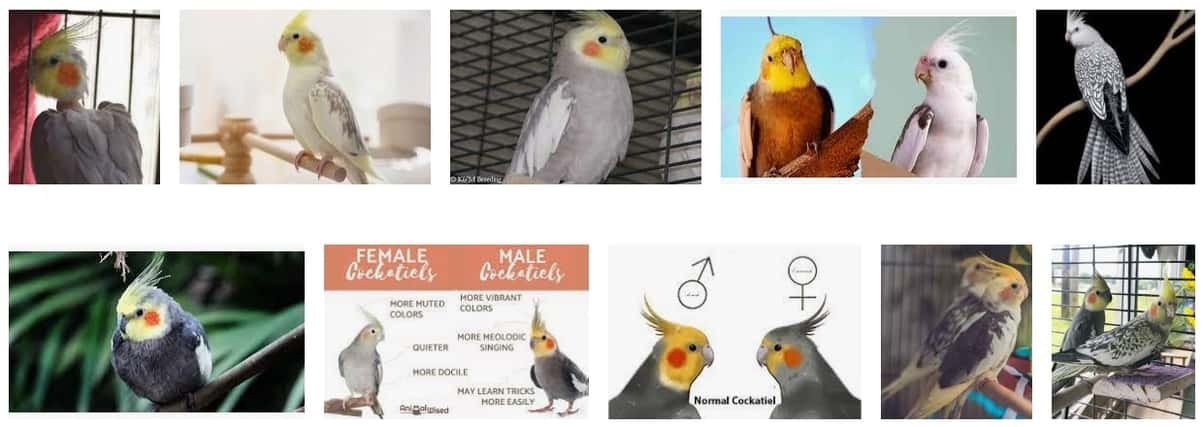
Sexual dimorphism in this species appears entirely in their plumage rather than their frame. In wild-type grey birds, mature males develop bright yellow faces and vibrant orange cheek patches. Females retain a greyer face, duller orange patches, and the distinct barring on the underside of their tail feathers.
Here is the thing: because the size differences are practically non-existent, you cannot sex a cockatiel simply by weighing or measuring it. DNA testing or waiting for adult plumage to develop remain the only accurate methods for determining sex.


What Biological Factors Influence How Big A Cockatiel Gets?
Genetics dictate the upper and lower boundaries of your bird’s eventual size. Just like humans, some birds naturally inherit a larger skeletal frame from their parents.
Nutrition during the early developmental weeks plays an equal role in final adult size. Chicks fed a high-quality, nutrient-dense diet during their first month will reach their full genetic potential. Chicks that face malnutrition or illness during this critical window often end up permanently stunted.
Wild cockatiels native to Australia tend to be slightly smaller and leaner than captive-bred varieties. Decades of selective breeding in captivity have slowly increased the average size of pet cockatiels compared to their wild counterparts.
How Do Colour Mutations Affect Cockatiel Size And Appearance?
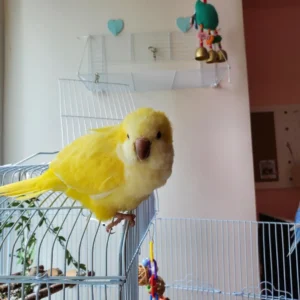
Different colour mutations do not inherently change the bone structure or maximum size of the bird. A Lutino, Pied, or Pearl mutation will generally grow to the same dimensions as a standard Grey.
However, some breeders focus so heavily on achieving specific colour genetics that they might inadvertently breed smaller birds due to a limited gene pool. Some mutations also carry distinct physical traits. For instance, the Lutino mutation sometimes features a small bald patch behind the crest, though ethical breeding is slowly eliminating this trait.
Are There Giant Or Unusually Large Cockatiels?
You might hear breeders talk about “English” or “Show” cockatiels. These birds are selectively bred for exhibition purposes and do represent a larger variation of the species.
Show cockatiels are bred to have broader chests, thicker necks, and larger crests. While they still belong to the same species, they can weigh up to 30 grams more than a standard pet cockatiel. If your bird appears unusually large, it might have some show-bird genetics in its lineage.
It is vital to distinguish between a genetically large bird and an overweight one. A bird that is heavy because of a seed-only diet and lack of exercise is not a “giant” variation. They are simply obese and require an immediate diet adjustment to prevent liver failure.
Avian Experts Recommend These Cage Standards for Cockatiels
Vet-approved cage dimensions, bar spacing under 1.5cm, and perch diameters of 1.5–2.5cm — get everything sized correctly from specialists who know this breed.
How Does Cockatiel Size Compare To A Budgie And Other Pet Birds?
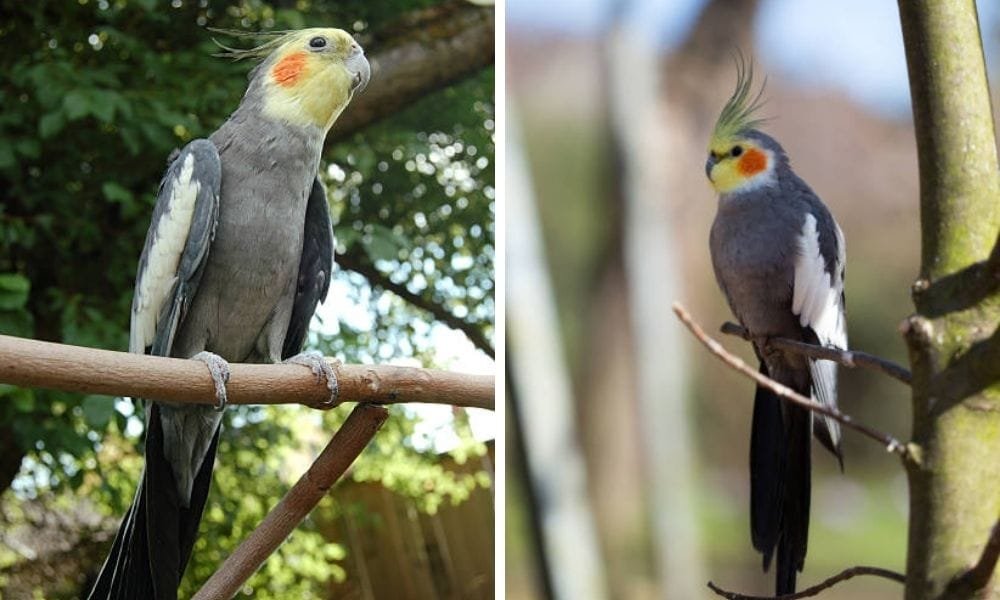
Understanding size relative to other common birds helps put their spatial needs into perspective. A cockatiel is significantly larger than a budgie but smaller than most conures.
| Bird Species | Average Length | Average Weight |
|---|---|---|
| Budgerigar (Budgie) | 18 centimetres | 35 grams |
| Cockatiel | 32 centimetres | 90 grams |
| Green-Cheeked Conure | 26 centimetres | 70 grams |
These measurements provide a clear visual reference. While a conure might have a chunkier body, the cockatiel’s massive tail makes it the longer bird overall.
To accommodate these specific dimensions, our bird supply store stocks accessories sized specifically for cockatiels.
What Cage Size Does A Cockatiel Need?
The minimum cage size for a single cockatiel is 60 centimetres wide, 60 centimetres deep, and 60 centimetres tall. This provides just enough room for the bird to stretch its wings without snapping its flight feathers against the metal bars.
Bar spacing is equally crucial. The gap between bars should be no more than 1.5 centimetres. If the spacing is any wider, the bird might get its head trapped while trying to squeeze through, which can be fatal.
Even with the correct cage dimensions, a bird of this size requires daily out-of-cage exercise. Flight time allows them to build cardiovascular strength and burn off excess energy that would otherwise turn into behavioural problems.
Share a brief story of a bird owner who resolved feather-plucking behaviours simply by upgrading to an appropriately sized cage
How To Choose Perches And Toys Based On Your Cockatiel’s Size
Your bird’s foot size dictates the correct perch diameter. A cockatiel needs perches that range from 1.5 to 2.5 centimetres in thickness. When they grip the wood, their front and back toes should not quite meet in the middle.
Toy arrangement requires careful thought. Because of their long tail and wide wingspan, you cannot clutter the upper half of the cage with bulky toys. Leave a clear flight path in the centre of the enclosure, hanging toys closer to the cage walls to accommodate their proportions.
Common Myths About Cockatiel Size Debunked
A common misconception is that cockatiels are as small as finches or canaries. While they are sometimes sold in the same pet shop aisles, their spatial and dietary needs are vastly different from small softbill birds.
Another myth involves exaggerated size claims often seen in online forums. Some owners claim their bird weighs 160 grams naturally. Unless it is a selectively bred show bird, a 160-gram pet is severely overweight, not genetically superior.
Size alone should never drive the decision to adopt. The real question is whether you can meet their emotional and intellectual needs for the next twenty years.
Grab the Free Cockatiel Growth Chart PDF
Track your bird from 4 grams at hatching to a healthy 75–120 gram adult. This printable weight chart flags dangerous 5% drops before they become emergencies.
Frequently Asked Questions About How Big Do Cockatiels Get
How Big Do Cockatiels Get Compared To Other Pet Birds?
Cockatiels sit right in the middle of the pet bird size spectrum. They are nearly twice the length and weight of a standard budgie, but they are considerably smaller and lighter than an African Grey or a Macaw. Their long tail feathers make them appear larger than their actual body mass suggests.
When Do Cockatiels Stop Growing And Reach Full Size?
They reach their maximum skeletal size by the time they are three months old, largely due to rapid tail feather development. However, they continue to fill out their muscle mass and will reach their permanent adult weight by their first birthday.
Do Male Cockatiels Grow Larger Than Females?
No, there is no significant size difference between the sexes. Both males and females average around 32 centimetres in length and 90 grams in weight. You cannot accurately guess a cockatiel’s sex based on their size or weight alone.