


African Grey Parrot: The Ultimate Guide To The World's Most Intelligent Bird
An African grey parrot can talk, solve problems, and bond deeply, but it can also become anxious, loud, and demanding if you are not prepared. I have seen owners fall in love with their intelligence, then struggle with their emotional needs. This guide shows exactly what owning one is really like, including care, cost, temperament, and whether it fits your lifestyle.


Key Takeaways
- African greys require daily mental stimulation and social time
- They form strong emotional bonds and can develop anxiety
- Ownership is a long-term commitment with ongoing costs
- Not suitable for low-maintenance pet seekers
Table of Contents
African Grey Parrot
The African grey parrot is one of the most intelligent birds I have worked with. These parrots do not just mimic words, they understand context to a surprising degree.
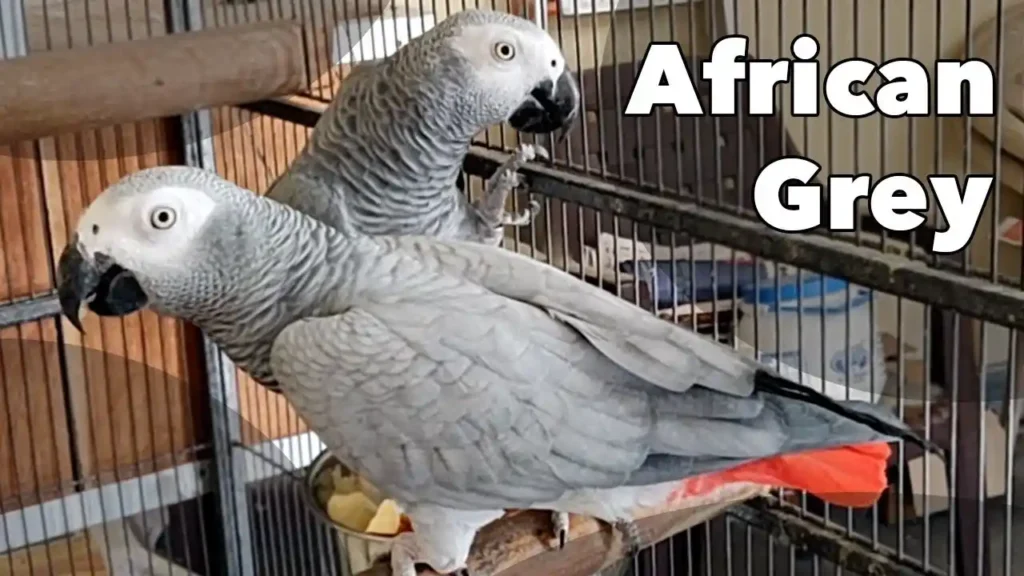
They originate from Central and West Africa and are known for their grey feathers and red tail. What sets them apart is their emotional awareness.
Here is the reality most guides skip. A bored African grey will create problems. Feather plucking, screaming, and aggression often come from lack of stimulation.
Expert Tip: Treat this bird like a toddler with wings. It needs daily engagement.
What Are The Different Types Of African Grey Parrots?
| Type | Size | Tail Color | Behavior Style |
|---|---|---|---|
| Congo | Larger | Bright red | Social and expressive |
| Timneh | Smaller | Dark maroon | Calm and adaptable |
Many people ask about blue or yellow African greys. These are myths or misidentified birds.
Is Your Parrot Struggling Alone?
African greys develop anxiety when left without stimulation—discover if your bird needs more daily engagement.
What Makes The Congo African Grey Parrot Unique?
The Congo African grey is larger and more commonly seen. In my experience, they tend to be more vocal and interactive.
However, they also demand more attention. A common mistake is choosing this type without realizing the time commitment.
Is There Such A Thing As An African Grey Macaw?
No. These are completely different birds.
Macaws are larger, louder, and come from South America. African greys are smaller and more focused on intelligence than color.
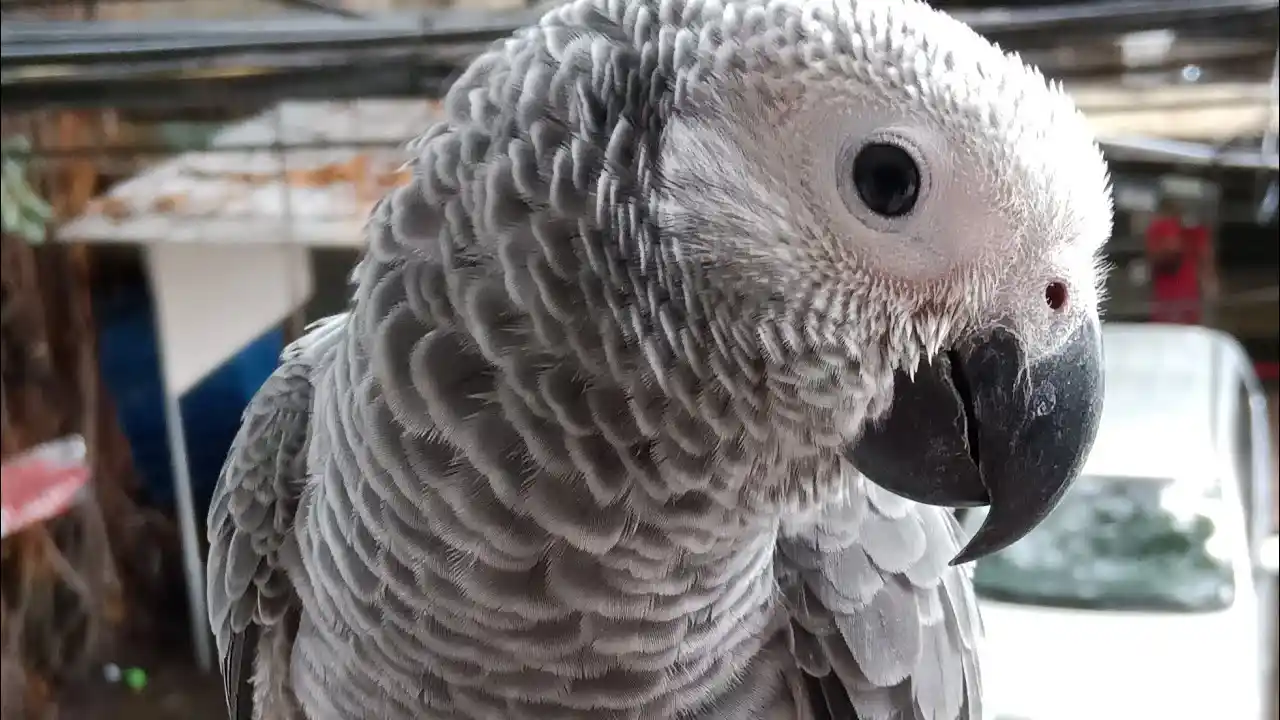
What Does An African Grey Parrot Look Like?
They have:
- Grey body feathers
- White facial mask
- Black beak
- Red tail
Males and females look identical. Only DNA testing confirms gender.
Where Do African Grey Parrots Live In The Wild?
They live in humid forests across Africa.
This matters because their natural environment affects their needs at home.
| Requirement | Ideal Condition |
|---|---|
| Temperature | Warm and stable |
| Humidity | Moderate to high |
| Space | Large climbing area |
What Is The Temperament Of An African Grey Parrot As A Pet?
They are intelligent but sensitive.
I have seen birds become deeply attached to one person and ignore others. This can become a problem if not managed early.
Do African Grey Parrots Get Attached To Humans?
Yes, very strongly.
Signs include:
- Following you around
- Talking directly to you
- Seeking constant interaction


Can African Grey Parrots Be Left Alone?
Short answer: not for long.
Here is what works in practice:
- Rotate toys weekly
- Use puzzle feeders
- Leave background sound
Is An African Grey Parrot A Good Pet?
Pros vs Cons
| Pros | Cons |
|---|---|
| Highly intelligent | Needs daily attention |
| Strong bond | Can develop anxiety |
| Long lifespan | High maintenance |
When This Pet Is NOT For You
- You work long hours
- You want a quiet pet
- You prefer low responsibility
How Do You Properly Care For An African Grey Parrot?
Daily Routine Example
| Time | Activity |
|---|---|
| Morning | Feeding + interaction |
| Afternoon | Independent play |
| Evening | Social bonding |
Enrichment Ideas
| Activity | Purpose |
|---|---|
| Puzzle toys | Mental stimulation |
| Foraging games | Natural behavior |
| Talking sessions | Bonding |
Join Expert Parrot Owners Today
Learn the proven care methods trusted by experienced keepers to support emotional health and bonding.
Should You Cover An African Grey Parrot Cage At Night?
Yes.
Covering helps improve sleep and reduce stress. Use breathable material.
Do African Grey Parrots Bite, And How Do You Discipline Them?
Yes, and it is usually predictable.
Common Triggers
| Trigger | Cause |
|---|---|
| Fear | Sudden movement |
| Hormones | Seasonal changes |
| Overstimulation | Too much handling |
Never punish physically. Instead:
- Identify trigger
- Redirect behavior
Is It Better To Get A Male Or Female African Grey Parrot?
Gender matters less than personality.
| Factor | Reality |
|---|---|
| Talking | Both capable |
| Behavior | Individual |
| Bonding | Similar |
How Much Does An African Grey Parrot Cost?
Cost Breakdown
| Category | Details |
|---|---|
| Initial | Bird, cage, setup |
| Monthly | Food, toys |
| Annual | Vet care |
Common Mistakes To Avoid
| Mistake | Impact |
|---|---|
| Ignoring mental stimulation | Behavior issues |
| Poor diet | Health problems |
| Lack of routine | Stress |
Signs Of A Healthy African Grey
- Bright eyes
- Clean feathers
- Active behavior
Branching Quiz: Is This Bird Right For You?
Q1: How much time can you give daily?
- Less than 1 hour → Not suitable
- 2 to 4 hours → Continue
Q2: Do you want a quiet pet?
- Yes → Not suitable
- No → Continue
Q3: Ready for long-term care?
- No → Not suitable
- Yes → Good match
Download the Enrichment Checklist
Prevent feather plucking and aggression with our specific puzzle feeder and toy rotation plan.
Frequently Asked Questions About African Grey Parrot
What Is An African Grey Parrot And Why Is It So Popular?
It is a highly intelligent bird known for speech and bonding.
How Can I Increase The Lifespan Of My African Grey Parrot?
Provide proper diet, mental stimulation, and vet care.