All Wings Aviary



African Grey Parrot Lifespan: Wild Life Span And Interaction
I constantly see new owners underestimate the massive commitment required for an African grey parrot. This misunderstanding often leads to heartbreaking rehoming situations when the bird outlives the owner’s expectations. In my years working in avian rescue, I have learned that providing the correct environment is the sole difference between a parrot surviving ten years or thriving for half a century. I will show you the exact dietary, psychological, and medical frameworks needed to help your companion reach its maximum biological lifespan safely.

Key Takeaways
- Captive birds routinely live between 40 and 60 years with optimal, proactive husbandry.
- A lack of dietary calcium is the primary cause of premature death in captive populations.
- Mental enrichment is a biological requirement to prevent chronic, life-shortening stress.
- Owners must legally plan for the bird’s future, as it will likely outlive human caregivers.
Table of Contents
African Grey Parrot Lifespan
The lifespan of these highly intelligent birds is determined entirely by the environment you provide. In their natural habitat, survival is an active daily challenge. In a captive home setting, human caregivers control every single variable that dictates long-term health.
They possess highly robust immune systems and exceptional cognitive abilities. This evolutionary advantage makes them incredibly resilient when properly supported. However, achieving a five-decade lifespan requires precise daily management from the owner.
When you master proper nutrition, housing safety, and mental enrichment, your bird can easily reach its biological ceiling. Neglect these pillars, and their life expectancy will plummet drastically.
How Long Do African Grey Parrots Live In Captivity Compared To The Wild?
Captive parrots usually live between 40 and 60 years. By contrast, wild populations face a starkly different reality, with average lifespans hovering around 20 to 30 years. This massive gap highlights how heavily environment influences avian biology.
Wild flocks must constantly evade natural predators like eagles and snakes. They also suffer from severe habitat destruction and the physical stress of daily foraging during seasonal food shortages. Captivity entirely removes these immediate mortal threats.
A captive setting offers temperature control, protection from predators, and guaranteed daily nutrition. Access to modern veterinary medicine means a minor bacterial infection is treated immediately rather than becoming a fatal event in the wild.
Wondering Why Your African Grey Dies Before 50 Years?
Discover the exact dietary calcium gaps and stress triggers shortening captive lifespans from 40-60 years. Unlock frameworks avian rescues use for half-century thriving.
How Long Does An African Grey Parrot Live On Average?
On average, a thoroughly cared-for pet African grey will live approximately 45 to 50 years. This timeline assumes the bird receives a strictly pelleted diet, daily out-of-cage time, and routine medical care.
It is vital to understand the difference between this average and an absolute guarantee. While 50 years is a reasonable expectation, poor genetics or a single household accident can drastically alter that number. You must proactively manage environmental risks daily to hit this average mark.
What Is The Lifespan Of The Congo African Grey Compared To Other Subspecies?
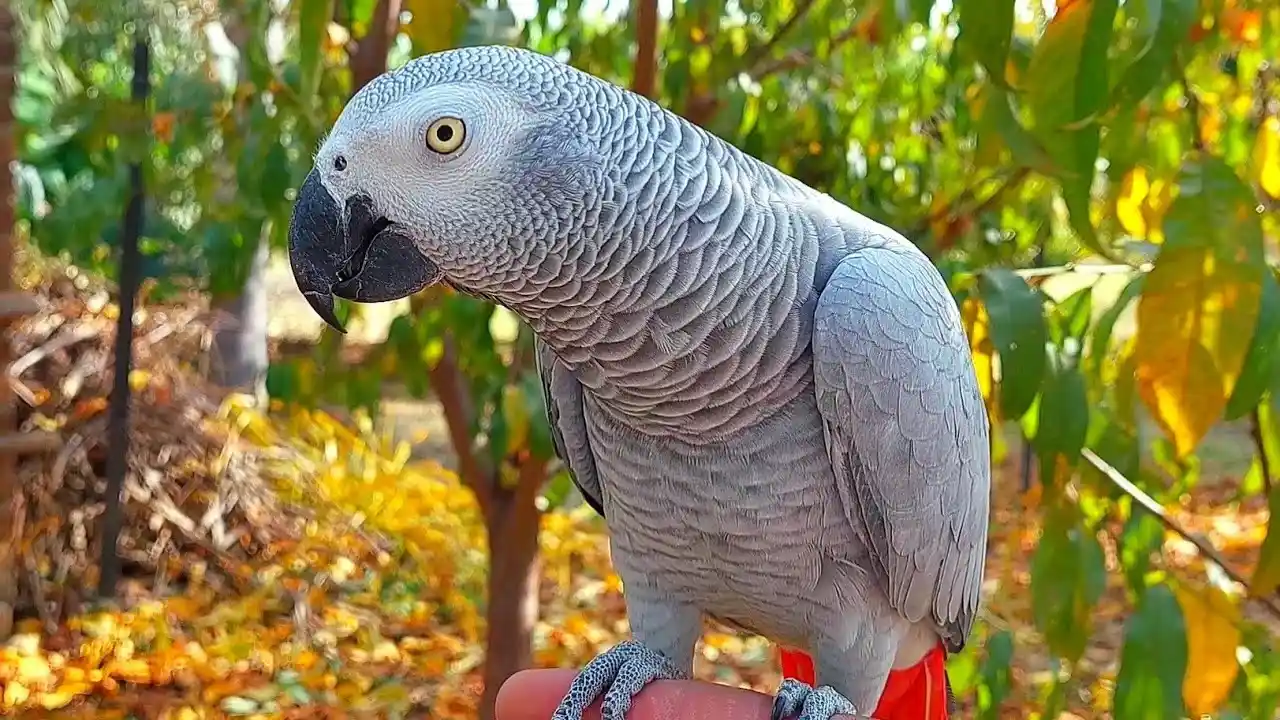
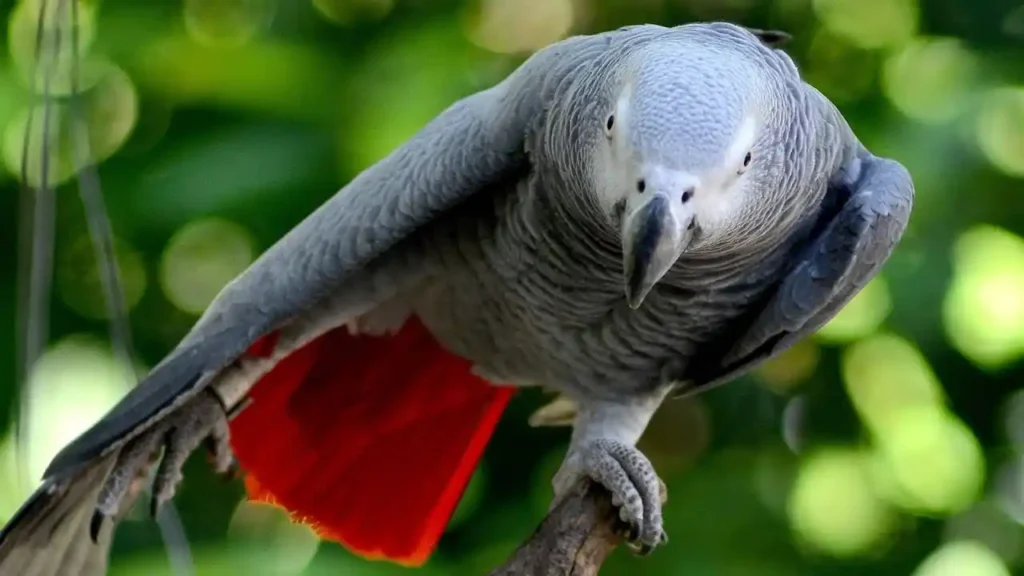
The Congo African grey and the Timneh African grey represent the two primary variations of the species. The Congo is physically larger, features a bright red tail, and is the most common companion bird. The Timneh is smaller with a dark maroon tail and a slightly different beak colour.
When comparing life expectancy, the Congo slightly edges out the Timneh in recorded upper limits. Congos frequently reach the 50 to 60-year mark. Timnehs generally live between 40 and 50 years.
Both subspecies require the exact same stringent care standards to reach old age. Your decision should be based on personality and available space rather than a slight difference in expected lifespan.
Table 1: Subspecies Longevity & Physical Traits
| Subspecies | Average Weight | Tail Colour | Expected Captive Lifespan |
|---|---|---|---|
| Congo | 400 to 600 grams | Bright Red | 40 to 60 years |
| Timneh | 275 to 375 grams | Dark Maroon | 40 to 50 years |
How Old Can An African Grey Parrot Get?
The absolute upper limits of parrot longevity occasionally push into the seventh decade of life. These extreme cases are very rare but biologically possible under flawless aviculture conditions.
Birds reaching 60 or more years share remarkably similar lifestyles. They reside in smoke-free homes, consume varied organic diets, and enjoy immense social stability. They are also typically kept fully flighted.
Keeping a bird flighted exercises its heart and air sacs daily. This natural cardiovascular workout drastically reduces the risk of senior atherosclerosis, keeping them healthy well into old age.
Fact-Check: The Extreme Age Myth
- The Claim: Parrots routinely live to be 80 or 90 years old in captivity.
- The Consensus: Scientific data and avian veterinary consensus place the maximum verified age closer to 60 years. Claims of birds reaching 80 or 90 are largely anecdotal and lack verifiable medical documentation.

Who Holds The Record For The Oldest African Grey Parrot?
Determining the absolute oldest parrot is difficult due to unverified historical records. However, thoroughly documented cases exist of birds reaching well past 60 years of age in excellent health.
There are anecdotal accounts of a parrot named Tarzan in the United Kingdom who supposedly lived to 87 years. While fascinating, owners should view extreme claims with caution. Without verified veterinary records dating back decades, these exact numbers remain unconfirmed.
These exceptional cases do prove that the species possesses a tremendous genetic ceiling. They serve to remind owners that they are caring for an animal with a human-like life trajectory.
What Factors Most Influence The African Grey Parrot Life Expectancy?
The core variables controlling longevity are nutrition, mental engagement, environmental safety, and proactive medical intervention. Neglecting any single pillar will significantly reduce the number of years you share with your bird.
A bird can have a perfect diet but die at age ten from inhaling toxic fumes from a non-stick frying pan. Household hazards are the leading cause of sudden, premature death in companion birds. Never use PTFE or Teflon cookware near your bird.
You control almost every aspect of your bird’s longevity. Enforcing a strict 12-hour sleep schedule in complete darkness is a controllable, life-saving habit that prevents hormonal stress and aggressive behaviours.
How Does Diet Affect The Life Span Of An African Grey Parrot?
Approximately 75 percent of captive parrot medical emergencies stem directly from malnutrition. This staggering statistic demonstrates that feeding a seed-only diet is not merely inadequate; it is actively destructive to their long-term health.
African greys possess a unique biological need for elevated calcium and Vitamin A. Furthermore, they cannot synthesise dietary calcium without proper exposure to UVB lighting. A healthy diet consists of high-quality formulated pellets paired with specific dark leafy greens.
A seed diet is extremely high in fat and devoid of essential vitamins. Over a decade, this diet causes fatty liver disease and severe arterial sclerosis. This leads to sudden, fatal heart failure in otherwise young birds.
Table 2: Calcium-Rich Diet Rotation For Maximum Longevity
| Day of Week | Primary Fresh Food | Nutritional Benefit |
|---|---|---|
| Monday | Chopped Kale | High absorbable calcium |
| Wednesday | Sweet Potato (cooked) | Excellent Vitamin A source |
| Friday | Broccoli Florets | Calcium and varied texture |
| Sunday | Almonds (limited) | Healthy fats and foraging challenge |


How Does Mental Stimulation Impact How Long African Greys Live?
Mental stimulation is a strict physiological requirement for this highly intelligent species. They possess the cognitive reasoning of a human toddler. Without complex puzzles and daily interaction, they suffer profound psychological distress.
Boredom quickly translates into chronic physical stress. Elevated cortisol levels suppress the bird’s immune system. This makes them highly susceptible to airborne bacterial infections that a healthy bird would easily fight off.
Providing destructible wooden toys and enforcing daily foraging routines keeps their minds active. A busy, challenged parrot is infinitely healthier and longer-lived than a bored, stationary one.
What Health Problems Shorten The Life Span Of African Grey Parrots?
Several specific diseases pose immediate threats to these birds. Psittacine Beak and Feather Disease (PBFD) is a highly contagious, fatal viral infection that attacks the immune system. Aspergillosis is a dangerous fungal respiratory infection typically caused by mouldy food or poor household ventilation.
Proventricular Dilatation Disease (PDD) is a severe neurological condition that paralyzes the digestive tract. Early detection is the absolute only reliable way to manage these conditions effectively.
Parrots are prey animals by nature. They instinctively hide all signs of illness until they are critically weak. Any subtle change in droppings, vocalisation, or energy levels requires an immediate emergency vet visit.
Table 3: Warning Signs of Lifespan-Shortening Illnesses
| Symptom | Potential Underlying Issue | Immediate Action Required |
|---|---|---|
| Sitting at bottom of cage | Severe weakness, late-stage illness | Emergency veterinary visit |
| Tail bobbing while breathing | Respiratory infection (Aspergillosis) | Assess for airborne toxins, seek vet |
| Undigested seeds in droppings | PDD or digestive paralysis | Isolate bird, collect faecal sample |
How Does Veterinary Care Extend The Average Lifespan Of An African Grey Parrot?
Standard local veterinarians often lack the highly specialised training required to treat exotic birds safely. Certified avian specialists are absolutely crucial for managing long-term parrot health. They understand the complex anatomy of avian air sacs and the unique markers in their bloodwork.
Annual wellness exams are a mandatory part of responsible ownership. These appointments should always include a complete blood count and a biochemistry panel. Checking liver and kidney function early is vital.
Catching a minor calcium deficiency early completely prevents fatal seizures from occurring later in life. Consistent, preventative medical care easily adds decades to your companion’s life.
Join Thousands Thriving With 50+ Year African Greys
Avian experts like Patricia Sund prove optimal husbandry adds decades—pellets, UVB, and vet exams make 60-year records routine for responsible owners.
How Do African Grey Parrots Age And What Changes Should Owners Expect?
Much like humans, these birds transition through distinct physical and behavioural life stages. A juvenile parrot is notoriously clumsy, highly curious, and heavily dependent on a strict daily routine. Adulthood brings hormonal changes, reproductive urges, and peak physical strength.
Senior birds require highly specific accommodations to remain comfortable. As they cross the 30-year mark, they often develop osteoarthritis, cataracts, and a natural decrease in cardiovascular stamina. They will likely sleep much more frequently during the day.
Recognising normal ageing allows you to adapt the cage environment properly. You must switch to softer, flatter perches and lower their food bowls to prevent painful falls.
How Long Do African Grey Parrots Live Without Proper Social Interaction?
Social isolation is uniquely devastating to highly intelligent flock animals. Clinical observations indicate that parrots kept in solitary confinement suffer drastic, measurable reductions in their overall lifespan. The chronic stress of isolation physically damages their internal organs.
In their natural habitat, these birds live in massive, highly communicative flocks. Constant companionship provides them with a vital sense of security. When deprived of this, they live in a state of constant, exhausting high alert.
For single-bird households, the human family must fully replace the flock dynamic. You must dedicate at least two to three hours of direct, out-of-cage interaction every single day to meet this deep psychological need.
How Can Owners Help Their African Grey Parrot Live Longer?
Maximising a parrot’s lifespan requires a highly proactive approach to home safety and planning. First, you must completely eliminate airborne household hazards. Scented candles, aerosol air fresheners, and non-stick pans release fumes that destroy sensitive avian lungs instantly.
Next, you must provide proper 5% UVB lighting directly over their cage. Standard window glass filters out the UV rays necessary for calcium synthesis. Without an artificial UVB source, your bird will eventually suffer from fatal hypocalcemia.
Finally, you must establish a long-term estate plan. Because your bird has a high probability of outliving you, setting up a legal pet trust ensures they will be safely transferred to a trusted caretaker.
Table 4: The 50-Year Financial Reality of Parrot Longevity
| Expense Category | Estimated Annual Cost | Estimated 50-Year Cost |
|---|---|---|
| High-Quality Pellet Diet | £300 | £15,000 |
| Avian Vet Exams & Bloodwork | £250 | £12,500 |
| Destructible Foraging Toys | £400 | £20,000 |
| Total Estimated Investment | £950 | £47,500 |
What Is The Life Expectancy Of African Grey Parrots Kept In Poor Conditions?
Birds kept in inadequate conditions rarely survive past their fifteenth year. Poor housing, constant exposure to cigarette smoke, and high-fat seed diets create a fatal combination of early organ failure and severe respiratory disease.
The contrast between a thriving bird and a neglected one is heartbreaking to witness. Neglected birds frequently suffer from irreversible liver damage, severe feather-destructive behaviour, and chronic self-mutilation. They exist in a state of constant physical and mental suffering.
Acquiring one of these magnificent creatures is a massive ethical responsibility. Committing to an animal with a 50-year lifespan requires deep self-reflection and a willingness to permanently adapt your lifestyle.
Branching Quiz: Are You Ready for a 50-Year Commitment?
- Do you currently rent an apartment or flat?
- Yes: Go to Question 2.
- No: Go to Question 3.
- Are you prepared to be rejected by future landlords due to noise complaints from a highly vocal parrot?
- Yes: Proceed to Question 3.
- No: An African grey is not suited for your current lifestyle.
- Can you financially commit to £900+ annually for diet, toys, and specialist vet care for the next 50 years?
- Yes: You are financially prepared for a parrot’s longevity.
- No: Consider adopting a shorter-lived companion animal.
Grab Your Free Calcium Diet Rotation Table
Use this proven weekly plan with kale, broccoli, and UVB for maximum longevity, preventing 75% of malnutrition deaths in captive greys.
Frequently Asked Questions About African Grey Parrot Lifespan
How Long Is The African Grey Parrot Lifespan?
The lifespan of these birds ranges from 40 to 60 years in captivity when provided with proper avian veterinary care and an organic pellet diet. In the wild, their life expectancy is significantly shorter, averaging between 20 and 30 years due to harsh environmental pressures and predators.
How Can Owners Help Their African Grey Parrot Live Longer?
You can maximise your bird’s life by feeding a pellet-based diet rich in calcium, providing 5% UVB lighting, and scheduling annual avian vet exams. Eliminating deadly airborne toxins like Teflon and scented candles is also absolutely critical for their daily survival.