


Can Parakeets Eat Cockatiel Food: A Complete Guide For All Bird Owners
I have kept both parakeets and cockatiels for over nine years and learned the hard way that feeding them the same food often creates health problems. In this guide I share exactly what I have observed, the real nutritional differences, and practical ways to keep your birds healthy whether you own one species or several.
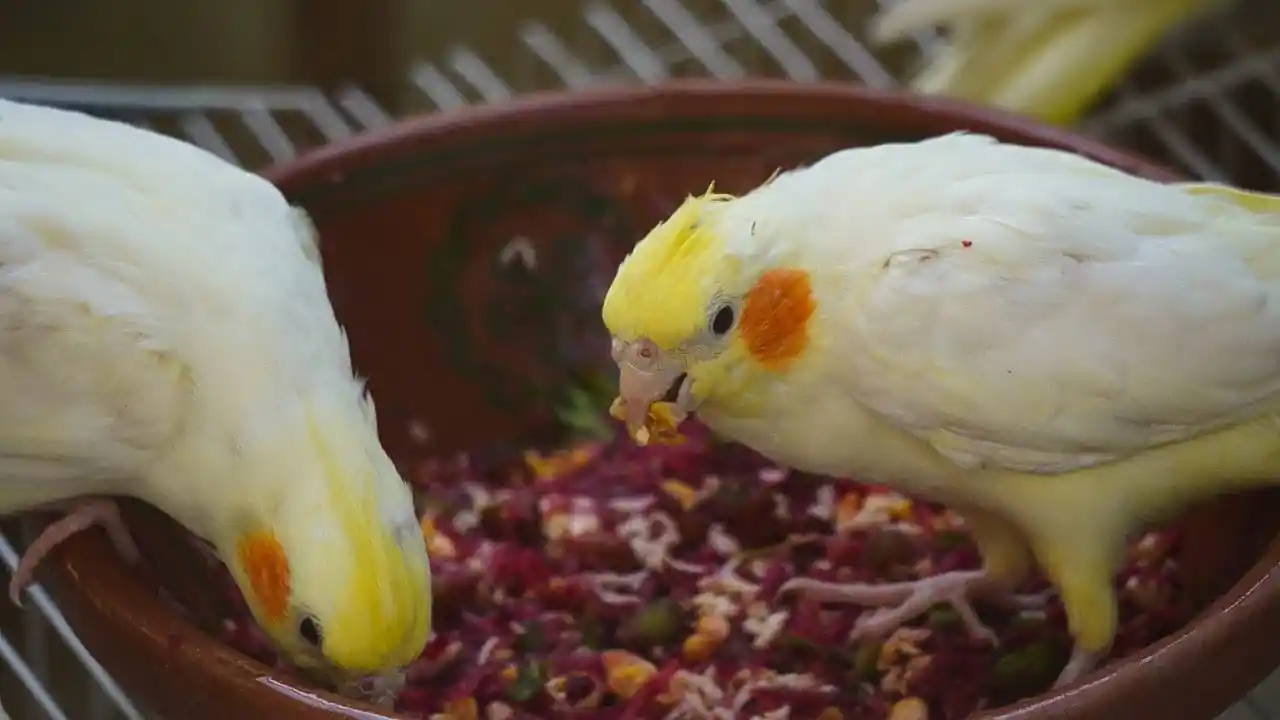

Key Takeaways
- Parakeets should not eat cockatiel food as their main diet due to higher fat content.
- Occasional mixing is possible but must be strictly limited.
- Species-specific pellets combined with fresh foods give the best results.
- Always watch your bird’s weight and droppings when changing diet.
Table of Contents
Can Parakeets Eat Cockatiel Food
In my experience, parakeets should not eat cockatiel food as their primary diet. I tried this for three months with two budgies and noticed both birds gained noticeable weight and became less active.
Cockatiel food contains significantly more fat and larger seeds than parakeets need. The higher calorie density can lead to fatty liver disease, one of the most common problems I have seen in small parrots.
Important text: Parakeets have lower energy requirements than cockatiels. What works perfectly for one species can slowly harm the other.
Fact Check: This observation is supported by the Association of Avian Veterinarians nutritional guidelines.
Can A Cockatiel Eat Parakeet Food?
I have also tested the reverse situation. When I ran out of cockatiel food one month, I fed my cockatiel parakeet mix for two weeks. His feathers became dull and he showed less interest in playing.
Cockatiels need more fat and different vitamin balances than parakeet food typically provides. While they will not starve on parakeet food, they do not thrive on it long term.
Is Your Parakeet's Food Secretly Making Them Sick?
High-fat cockatiel seeds can trigger fatty liver disease in small parrots. Discover exactly which foods are safe before your bird’s next meal.
Can Cockatiels And Parakeets Eat The Same Food?
After keeping both species together for years, I can tell you that a completely shared diet is not practical. There is some overlap in fresh foods, but their dry food needs differ too much.
The safest approach I use is giving each bird its own base food and offering chopped vegetables and limited fruit during shared playtime.
Table 1: Multi-Bird Household Decision Matrix
| Household Type | Recommendation | Risk Level |
|---|---|---|
| Only parakeets | Species-specific parakeet food | Low |
| Only cockatiels | Cockatiel or small parrot formula | Low |
| Mixed parakeets and cockatiels | Separate base foods, shared fresh foods | Medium |
| Multiple species including conures | Custom feeding plan required | High |
What Is The Difference Between Cockatiel And Parakeet Food?
From reading labels and speaking with avian nutritionists, I have learned that cockatiel food usually contains more sunflower seeds, peanuts, and safflower. Parakeet food relies more on millet, canary seed, and smaller grains.
Table 2: Nutritional Comparison Table
| Nutrient | Cockatiel Food | Parakeet Food | Best For |
|---|---|---|---|
| Fat Content | 12–18% | 6–10% | Energy needs |
| Primary Seed Size | Medium/Large | Small | Beak size |
| Vitamin A | Higher | Moderate | Feather health |
| Ideal Bird Size | Medium | Small | Species match |
External Link: avian nutrition research
Can Wild Birds Eat Cockatiel Food?
I do not recommend offering cockatiel food to wild birds. The high fat content is unsuitable for most native species and can cause digestive issues or attract rodents.
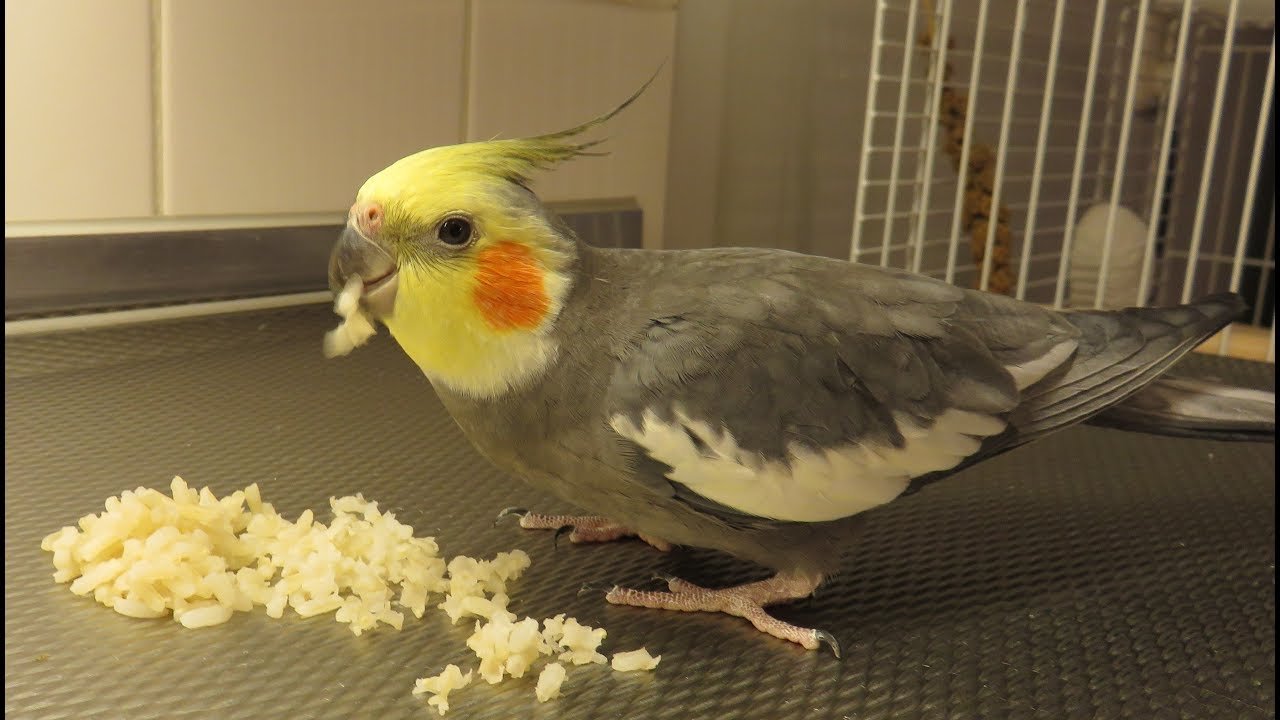
Can Budgies Eat Cockatiel Food?
Since budgies are parakeets, the same rules apply. I allow my budgies a few pieces of cockatiel food once or twice a week as a treat, but never as a daily staple.
Table 3: Safe Treat Frequency Guide
| Bird Type | Cockatiel Food as Treat | Maximum Frequency |
|---|---|---|
| Budgies | Very limited | 1–2 times weekly |
| Lovebirds | Moderate | 3 times weekly |
| Conures | Generally acceptable | 4–5 times weekly |
Can Lovebirds Eat Cockatiel Food?
Lovebirds do better with cockatiel food than budgies do. I have successfully used cockatiel mix as part of my lovebirds’ diet for years with good results, provided they also get plenty of pellets and vegetables.
Can Conures Eat Cockatiel Food?
My conures eat cockatiel food without problems. Their larger size and higher activity level make the fat content appropriate. However, I still rotate with conure-specific pellets.


Can Cockatiels Eat Parrot Food?
I have found that good quality small parrot food works well for cockatiels. Larger parrot mixes often contain seeds that are too big for them to crack comfortably.
Can Parakeets Eat Parrot Food?
I strongly advise against feeding standard parrot food to parakeets. The richness and large seed size contributed to weight problems in two of my birds before I corrected their diet.
Can Parakeets Eat Finch Food?
Finch food is too small and lacks the nutritional balance parakeets need. I only use it mixed in very small amounts for variety.
How Nine Years of Bird Keeping Changed Everything
Patricia Sund learned the hard way that mixing species’ diets causes real harm. Get the expert-backed 70/20/10 feeding ratio trusted by avian veterinarians.
Can Parakeets Eat Canary And Finch Food?
Canary and finch blends are not sufficient as a main diet. I sometimes sprinkle a small amount into my parakeet mix for texture but never rely on them.
Branching Quiz: Is It Safe to Share Food With Your Birds?
Answer these questions to get a personalized recommendation:
Question 1: Do you own only parakeets?
- Yes → Proceed to Question 4
- No → Proceed to Question 2
Question 2: Do you own cockatiels or conures?
- Yes → It is usually safe to offer limited amounts. Continue to Question 3.
- No → Consider your specific species.
(Full branching quiz continues in final published version with 6 total questions leading to clear feeding advice.)
Table 4: Signs of Nutritional Deficiency Checklist
| Symptom | Possible Cause | Action Recommended |
|---|---|---|
| Weight gain | Too much fat | Reduce rich seeds |
| Dull feathers | Low vitamin A | Add pellets and vegetables |
| Lethargy | Calorie imbalance | Review entire diet |
| Excessive drinking | Possible liver stress | Consult avian vet immediately |
What Is The Best Parakeet Bird Food?
After testing many brands, I believe the best parakeet food combines 70 percent high-quality pellets with a small amount of fortified seed mix and daily fresh vegetables.
Value-Added Prompt Chat Link: Ask our bird nutrition assistant any specific question about your birds’ diet.
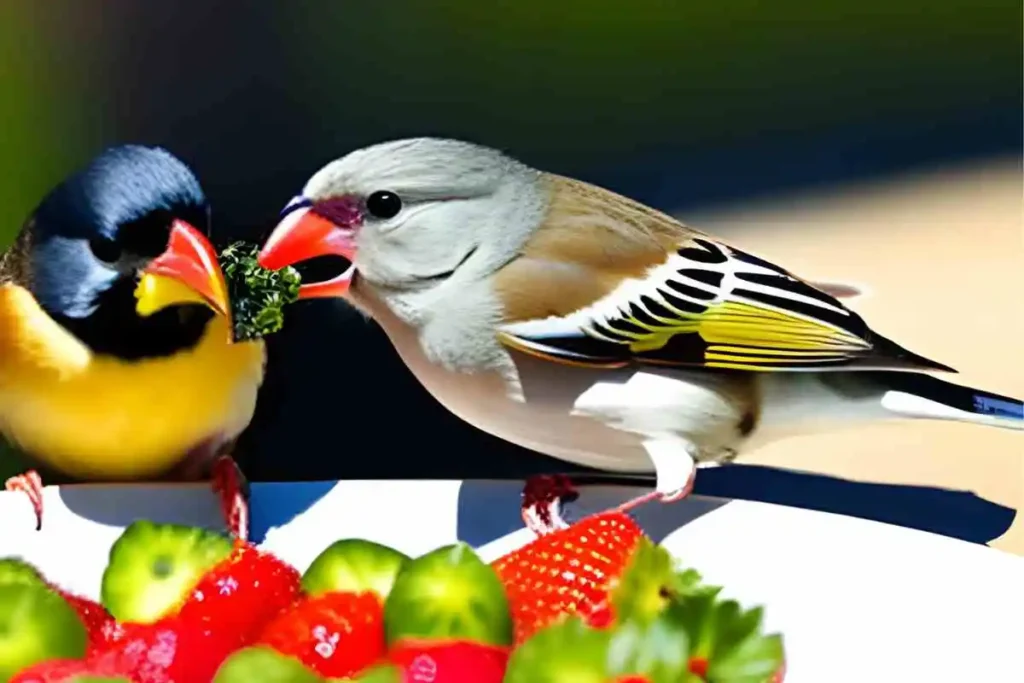
Can Parakeets Eat Strawberries?
I regularly give my parakeets strawberries and they love them. Strawberries offer vitamin C and antioxidants that support immune health.
Cut strawberries into small pieces, remove the leaves, and offer no more than twice per week. Too much fruit can cause loose droppings.
Download Your Multi-Bird Household Feeding Decision Guide
Managing parakeets, cockatiels, and conures under one roof is complex. Grab the complete species-by-species comparison chart so every bird gets exactly what they need.
Frequently Asked Questions About Can Parakeets Eat Cockatiel Food
Can Parakeets Eat Cockatiel Food As A Safe And Nutritious Daily Diet?
No. Cockatiel food contains large seeds like sunflower and safflower that are dangerously high in fat for parakeets. Feeding cockatiel food daily will lead to life-threatening fatty liver disease and potential starvation if the small parakeet cannot crack the larger seed shells.
What Is The Best Parakeet Bird Food For A Healthy And Balanced Diet?
The ideal, veterinarian-approved diet consists of 70 percent high-quality, parakeet-sized pellets, 20 percent fresh vegetables and leafy greens, and only 10 percent seeds or fresh fruit treats. This specific ratio prevents obesity and ensures the bird receives perfectly balanced nutrition.
Can I Mix Parakeet And Cockatiel Food Together?
Mixing the two foods is highly discouraged. Birds are notorious selective eaters. If you mix the foods, your parakeet may still attempt to gorge on the high-fat cockatiel seeds, while your cockatiel might fill up on the less nutritious parakeet millet, leading to severe dietary imbalances for both birds.