
-
 Buy African Grey Parrot Cage For Sale Qty: 1$600.00


How To Clip Cockatiel Wings Safely And Effectively At Home
As a long-time cockatiel owner, I know that knot of anxiety in your stomach. You adore your bird’s adventurous spirit, but every open door feels like a potential heartbreak. Wing clipping can be a crucial safety measure, but the fear of hurting your beloved friend is just as real. This guide is built on my years of hands-on experience to help you navigate this decision with confidence, prioritizing your bird’s well-being above all else.

Key Takeaways
- Wing clipping is a temporary safety procedure to prevent indoor accidents and escapes by limiting upward flight, not grounding your bird.
- The single most important rule is to positively identify and avoid all “blood feathers” (new, growing feathers with a dark shaft), as cutting one is painful and dangerous.
- For your first time, I strongly recommend having an avian veterinarian perform the clip. The educational value of watching an expert is priceless for building your own confidence.
Table of Contents
How To Clip Cockatiel Wings
Wing clipping is one of the most debated topics in bird ownership, but from a practical safety standpoint, it’s a tool every owner should understand. It’s a simple, non-surgical trim of the outer flight feathers to reduce speed and altitude. I’ve seen it prevent countless tragedies, from flights into windows to escapes out an open door. This guide is my personal walkthrough, designed to give you the confidence to either do it safely yourself or make the informed choice to seek professional help.
What Part Of A Bird’s Wing Gets Clipped?
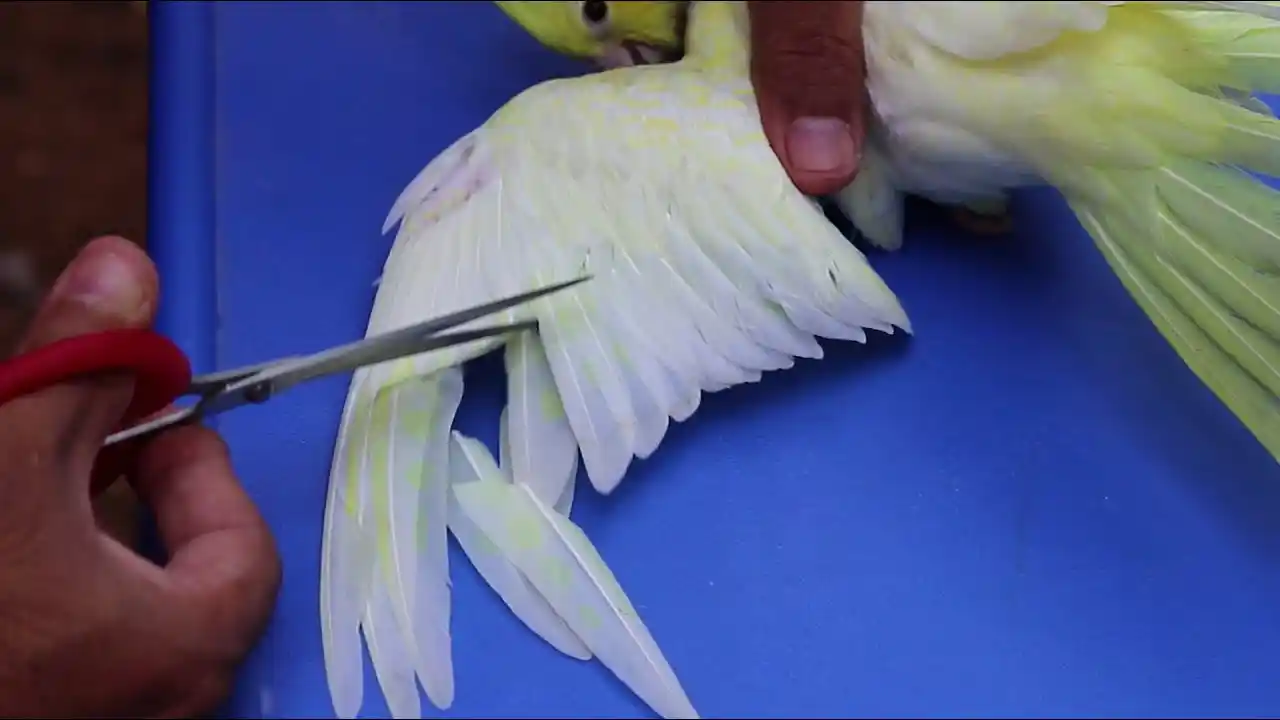
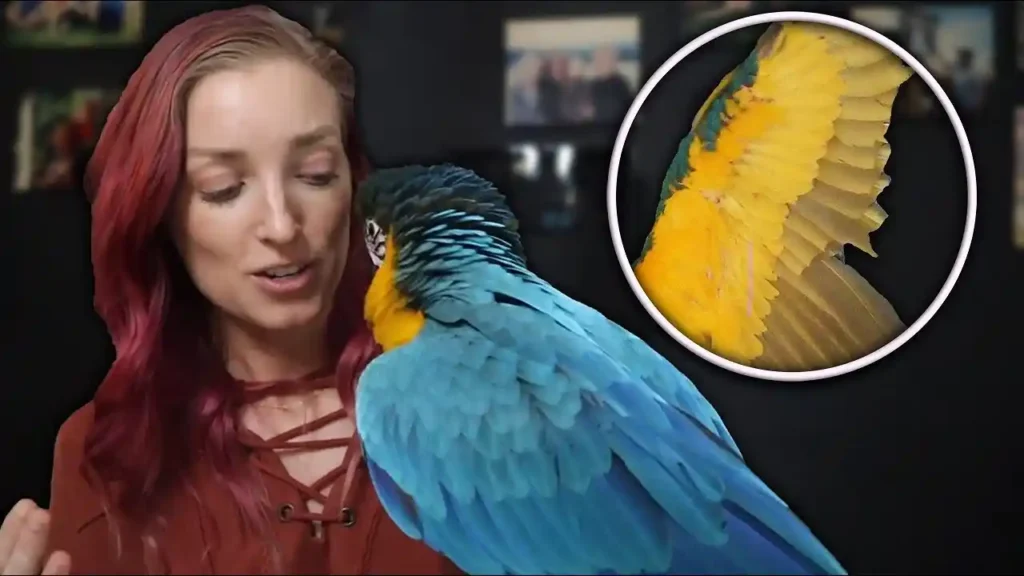
To do this right, you need to understand the machinery of flight. The only feathers we trim are the primary flight feathers—the long, stiff feathers at the outermost edge of the wing. These are the bird’s propellers, providing forward thrust. Inside of these are the secondary flight feathers, which provide lift and should never be cut. Overlapping them all are the smaller covert feathers.
The most critical part of this anatomy lesson is the blood feather. This is a new, growing feather with a live artery running through its waxy, dark-looking shaft. Cutting one is like cutting off a fingertip—it’s painful and it bleeds. A mature feather, in contrast, has a white, hollow shaft and is painless to cut.
Anatomy of a Cockatiel’s Wing: What to Cut and What to Avoid
| Feather Type | Location | Clipping Action | Why It Matters |
|---|---|---|---|
| Primary Feathers | Outer tip of the wing | These are the only feathers to trim. | They control speed and thrust. |
| Secondary Feathers | Middle of the wing | Never trim these feathers. | They provide essential lift for gliding. |
| Covert Feathers | Top of the wing | Use as a visual cutting guide. | Cutting above these can injure the wing. |
| Blood Feathers | Anywhere on the wing | Never, ever cut these. | They have a live blood supply and nerves. |
Is Your Home Safe Enough for a Flighted Bird?
Open doors, ceiling fans, and windows put flighted cockatiels at serious risk every day. Find out if your environment calls for a wing clip.
How To Safely Trim Cockatiel Wings A Step-By-Step Guide
A successful clip is 90% calm preparation and 10% confident action. Your bird will mirror your energy, so take a deep breath. The right tools are non-negotiable. I cannot stress this enough: use only sharp, clean bird grooming scissors. Dull household scissors will crush the feather shaft, causing pain and damage.
Preparing To Clip Your Cockatiel’s Flight Feathers
Before you get your bird, set your station. I use a quiet, well-lit room with the door closed to eliminate distractions.
Your Pre-Flight Checklist:
- A clean, soft towel.
- Sharp bird grooming scissors.
- Styptic powder with the lid off and ready.
- A calm, confident helper (this is a must for your first time).
The “bird burrito” is the safest way to restrain your cockatiel. Gently wrap them in the towel, ensuring their head is secure but they have plenty of room to breathe. The goal is gentle security, not a straitjacket.
Clipping Your Cockatiel’s Flight Feathers Steps
With your bird calmly restrained, it’s time to work with purpose. Be deliberate, not rushed.
- Extend and Inspect: Gently extend one wing and hold it up to a bright light. Identify the outer 5-7 primary feathers. Critically inspect the shaft of each one. If a shaft is dark, waxy, or looks full, it’s a blood feather. Do not cut it.
- Make Your Cuts: Using the shorter covert feathers as your guide, trim the first 5-7 mature primary feathers one at a time. The cut should be clean and quick.
- Ensure Perfect Symmetry: This is crucial. You must trim the exact same number of feathers on the other wing. An unbalanced bird will spiral and crash, risking serious injury.
- Release and Reward: Once done, gently release your bird in a safe area and offer praise and a favorite treat.
Things You Will Need To Clip Cockatiel Wings
Choosing the right equipment is a safety issue. Investing a few dollars in proper tools can prevent an expensive and traumatic emergency vet visit.
Choosing Your Clipping Equipment
| Tool | Recommended Type | Why It’s Better |
|---|---|---|
| Scissors | Small, sharp grooming scissors | Their size provides control, and sharpness ensures a clean cut, not a painful crush. |
| Clotting Agent | Styptic Powder | It’s a true hemostatic agent that actively stops bleeding. Cornstarch is a poor substitute. |
| Restraint | A clean, dedicated towel | Prevents bites and keeps the bird secure without applying dangerous pressure. |
How To Clip A Bird’s Wings So They Cannot Fly
The goal is not to make your bird flightless. A bird that drops like a rock will injure its breastbone. The goal is to remove upward lift and forward speed while allowing a controlled, gentle glide to the floor. A full clip (7-10 feathers) offers maximum restriction for high-risk homes. I personally prefer a more conservative clip (4-6 feathers), which gives the bird more confidence and control in its descent.
Do Birds Feel Their Wings Being Clipped?
When done correctly on a mature feather, the bird feels nothing. The keratin shaft has no nerves. However, they absolutely feel the stress of being handled and restrained. This is why your calm confidence is so important. A quick, smooth procedure is a kind one.


What Are Blood Feathers And How Do You Handle Them Safely?
A blood feather is a new, living feather. It has an active blood supply flowing through the shaft to nourish its growth. If you accidentally cut one, you have a veterinary emergency in progress.
Emergency Protocol for a Cut Blood Feather:
- Stay Calm. Do not panic.
- Apply Styptic Powder. Take a generous pinch and press it firmly onto the bleeding tip. Hold pressure for 60 seconds.
- Do not dab or wipe it away. You need to give the clotting agents time to work.
- If bleeding does not stop completely within 2-3 minutes, go to an emergency vet immediately. Find one using the AAV Vet Locator.
Is It Cruel To Clip A Cockatiel’s Wings?
This is the question every responsible owner wrestles with. There is no single right answer. Proponents, including myself, argue that in a typical human home filled with windows, fans, and open doors, clipping is a crucial act of protection. On the other side, opponents argue that flight is intrinsic to a bird’s identity, and removing it can impact their physical and mental health.
The expert consensus, reflected by organizations like the Association of Avian Veterinarians (AAV), is that the decision should not be based on philosophy but on a realistic assessment of the individual bird’s safety in its specific environment.
The “Should I Clip?” Decision Quiz
Answer these questions honestly to get a personalized recommendation.
1. How would you describe your home environment?
a) Very active, with kids, other pets, and frequent visitors. (Go to Q2)
b) Generally calm and predictable, with no other pets or a dedicated bird-safe room. (Go to Q3)
2. How much direct, eyes-on supervision can you provide during out-of-cage time?
a) The bird is often out while I’m multitasking (cooking, working). -> Result A
b) I can provide 100% focused supervision in a single, bird-proofed room. -> Result B
3. What is your bird’s personality?
a) Prone to “night frights,” easily spooked, or a bold explorer. -> Result A
b) Very calm, prefers to stay on or near its cage or me. -> Result C
Quiz Results:
- Result A: A conservative wing clip is strongly recommended for your bird’s safety. The risks in your environment are high.
- Result B: You are a good candidate for keeping a fully-flighted bird, provided you maintain strict supervision in your bird-proofed space.
- Result C: You could go either way. A very light clip can be a good “insurance policy,” but if your home is very safe, you may not need one. Consult your avian vet.
What Are The Cons Of Clipping A Bird’s Wings?
- Reduced Exercise: Clipped birds need more climbing structures and toys to stay fit.
- Psychological Impact: Some birds can become depressed or less confident after a clip.
- Risk of Falling: A bird may not immediately understand its limitations and could fall. Ensure perches are not too high initially.
- Ground-Level Dangers: A clipped bird on the floor is vulnerable to being stepped on or harassed by other pets.
Fact-Check This!
Myth: Clipping a bird’s wings is permanent.
Fact: False. Wing clipping is a temporary trim. The cut feathers will naturally fall out during your bird’s next molt and be replaced by new, full-length feathers.
Learn the Technique Avian Vets Actually Use
The safest first clip starts with watching an expert. Get the step-by-step method trusted by professional avian groomers and veterinarians.
Should You Clip Your Cockatiel’s Wings?
Use the quiz above and a healthy dose of common sense. My personal rule is this: it is always better to have a safe, slightly frustrated clipped bird than a lost or dead flighted one. If you cannot guarantee a 100% safe environment 100% of the time, a clip is the most responsible choice.
How Often Should You Clip Your Cockatiel’s Wings?
This depends on your bird’s individual molting cycle. I check my bird’s wings once a month for new feather growth. Typically, a clip needs to be redone every 2-4 months. You’ll know it’s time when you see your bird starting to get more lift than you’re comfortable with.
Do Cockatiels’ Wings Grow Back After Being Clipped?
Yes, always. The trimmed feathers are shed during the natural molting process, and new, perfect flight feathers grow in to replace them. The process is completely natural and harmless.
Download Your Free Pre-Clip Safety Checklist
Never miss a blood feather check again. Get the printable 5-point checklist covering tools, restraint, inspection, and post-clip monitoring.
Should You Clip Cockatiel Wings At Home Or Visit A Professional?
For your first time, the answer is simple: go to a professional. The small fee you pay an avian vet or certified groomer is an investment in your education. Watch them, ask questions, and learn what a confident, safe procedure looks like. This is the single best way to build your own confidence for the future.
What to Expect Immediately After the Clip
The 24 hours after a clip are a period of adjustment. Don’t worry if your bird seems a bit clumsy or grumpy.
Post-Clip Monitoring Checklist
| Behavior to Monitor | What’s Normal | What’s Concerning (Call a Vet) |
|---|---|---|
| Flight Attempts | A few clumsy attempts, followed by gliding. | Repeatedly jumping and falling hard. |
| Attitude | A bit quiet or grumpy for a few hours. | Hiding, puffed up, refusing to eat for >12 hrs. |
| Wings | Holding them normally after a short time. | Holding a wing out awkwardly (a “droopy” wing). |
| Bleeding | None. | Any amount of bleeding is an emergency. |
Important Warnings To Know Before Clipping Cockatiel Wings
- Never Clip Alone on Your First Few Attempts. An extra set of hands is your most critical safety tool.
- Do Not Over-Clip. Start with 4-5 feathers. You can always trim one more if needed, but you can’t put one back on.
- Blood Feather Checks are Mandatory. I’ve said it a dozen times because it’s that important. Inspect every feather, every time.
- Have Styptic Powder Ready. Have it open and within arm’s reach before you even pick up the towel.
Frequently Asked Questions About How To Clip Cockatiel Wings
What Is The Safest Way To Learn How To Clip Cockatiel Wings At Home?
The safest way is to pay for a “coaching” session with your avian vet. You watch them do one wing, and then they guide you as you do the other. This hands-on, expert-led lesson is the gold standard for responsible learning.
What Are Blood Feathers And Why Do You Need To Avoid Them When You Clip Cockatiel Wings?
Blood feathers are new, growing feathers with a live artery. Cutting one is extremely painful and causes significant bleeding. They are the single biggest danger in a home wing trim and must be identified and avoided at all costs.