All Wings Aviary



What Do Parakeets Eat: Safe Fruits Vegetables And Core Diet Foods
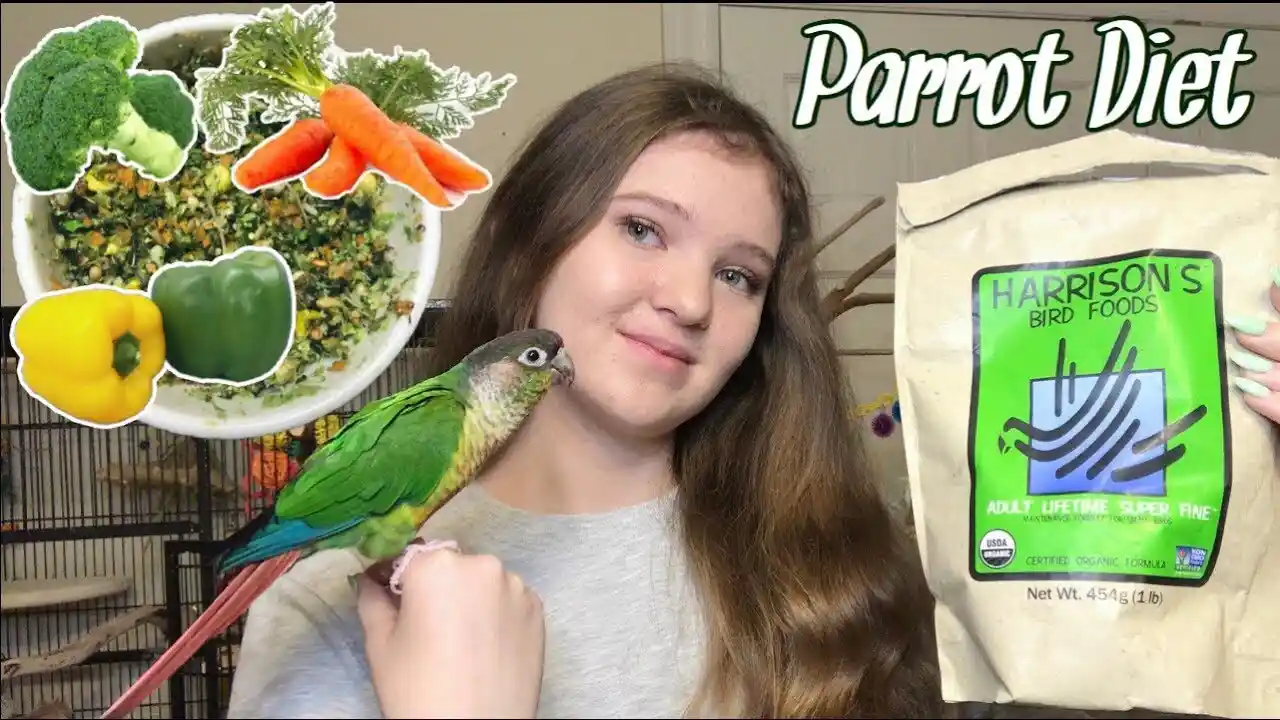
I have watched too many parakeet owners make the same mistake: filling the food dish with seeds and assuming their bird is eating well. The reality is that seed-only diets cut parakeet lifespans in half. Wild parakeets eat dozens of different foods across seasons, and replicating that variety is the single most important thing you can do for your bird. This guide covers exactly what to feed, what to avoid, and how to build a diet that keeps your parakeet thriving for 10 to 15 years.

Key Takeaways
- Pellets should form 60-70% of diet, not seeds, to prevent fatty liver disease and nutritional deficiencies
- Safe fruits include apples, berries, grapes, and melons, but always remove seeds and pits first
- Avocado, chocolate, onions, garlic, and caffeine are toxic and potentially fatal even in small amounts
- Fresh vegetables should make up 20-25% of daily intake for optimal vitamin and mineral balance
- Parakeets do not need grit despite common misconceptions, as they hull seeds before swallowing
- Water must be changed daily, and dishes cleaned to prevent bacterial growth
- Baby parakeets require specialized feeding during weaning, with formula temperature at 104-106 degrees Fahrenheit
Table of Contents
What Do Parakeets Eat
Parakeets are granivores by nature, meaning seeds and grains form the foundation of their wild diet. However, wild Australian budgerigars also consume fresh grasses, vegetation, occasional insects, and whatever seasonal plants their environment provides. This natural variety is something most captive parakeets never experience.
In practice, a healthy captive parakeet diet breaks down into four main categories. Formulated pellets serve as the nutritional base. Seed mixes provide enrichment and satisfy foraging instincts. Fresh vegetables deliver vitamins and fiber. Fruits work as occasional treats that add variety.
Here is the thing: a seed-only diet is like feeding a child nothing but crackers. Seeds provide energy and some nutrients, but they lack complete amino acid profiles, sufficient calcium, and adequate vitamin A. I have seen parakeets fed exclusively on seeds develop fatty liver disease, dull feathers, and weakened immune systems within just two years.
| Food Category | Daily Portion | Primary Benefit | Cost Per Month |
|---|---|---|---|
| Pellets | 60-70% of diet | Complete balanced nutrition | $8-15 |
| Fresh Vegetables | 20-25% of diet | Vitamins A, C, K and fiber | $10-20 |
| Seeds | 10-15% of diet | Energy and foraging enrichment | $5-10 |
| Fruits | Occasional treats | Natural sugars and antioxidants | $5-10 |
What Is The Core Diet Of A Parakeet?
The core of a healthy parakeet diet should be high-quality formulated pellets, not seeds. This surprises many owners because pet stores often sell parakeets alongside large bags of seed mix. However, avian veterinarians consistently recommend pellets as the dietary foundation because they meet a parakeet’s complete nutritional needs in every bite.
Pellets contain balanced ratios of proteins, carbohydrates, fats, vitamins, and minerals that seeds simply cannot provide. When parakeets eat seed mixes, they often pick out their favorites and leave the rest, creating nutritional gaps. Pellets eliminate this selective eating problem entirely.
Seeds still play an important role in mental stimulation. They provide foraging behavior satisfaction and contain beneficial fats in moderation. The key is proportion: pellets should comprise 60-70% of daily intake, with seeds limited to 10-15%.
Grains like millet, oats, and barley offer complex carbohydrates that fuel a parakeet’s high metabolism. Millet sprays in particular work exceptionally well as training rewards because parakeets find them highly motivating.
According to research published in the Journal of Avian Medicine and Surgery, parakeets fed pellet-based diets show significantly better feather quality and immune function compared to those on seed-only diets.
Is Your Seed-Only Diet Shortening Their Lifespan?
Seed-only diets cut parakeet lifespans in half. Discover the exact 60-70% pellet formula veterinarians recommend for 15 years of vibrant health.
What Nuts, Seeds And Insects Can Parakeets Eat?
Safe seeds for parakeets include millet, canary grass seed, safflower, and small amounts of sunflower and flaxseed. Sunflower seeds are high in fat, so limit them to occasional treats rather than dietary staples.
Regarding nuts, parakeets can eat small pieces of unsalted, raw almonds, walnuts, and pistachios. However, their small size means nuts should be chopped finely and offered sparingly due to high fat content.
Can parakeets eat insects? In the wild, budgerigars occasionally consume small insects, particularly during breeding season when protein demands increase. In captivity, this is rarely necessary if the diet includes adequate pellet-based protein. Some breeders offer dried mealworms during breeding, but this remains supplemental rather than essential.
Interactive Quiz: What Should You Feed Your Parakeet Today?
Answer these questions to get personalized feeding recommendations:
Question 1: How old is your parakeet?
- A) Under 8 weeks (baby/juvenile)
- B) 8 weeks to 5 years (adult)
- C) Over 5 years (senior)
Question 2: Is your parakeet currently molting or breeding?
- A) Yes, molting
- B) Yes, breeding
- C) Neither
Question 3: How would you describe your parakeet’s eating habits?
- A) Eats everything offered
- B) Picky, prefers seeds only
- C) Recently changed appetite
Scoring Guide:
Mostly A answers: Focus on protein-rich foods and calcium supplementation. Baby birds need soft, easily digestible foods. Molting birds benefit from extra protein for feather growth.
Mostly B answers: Breeding parakeets need increased calcium and protein. Offer cuttlebone, leafy greens, and consider small amounts of hard-boiled egg.
Mostly C answers: Senior birds may need softer vegetables and increased vitamin supplementation. Picky eaters require patience and the techniques in our troubleshooting section below.
What Fruit Can Parakeets Eat?
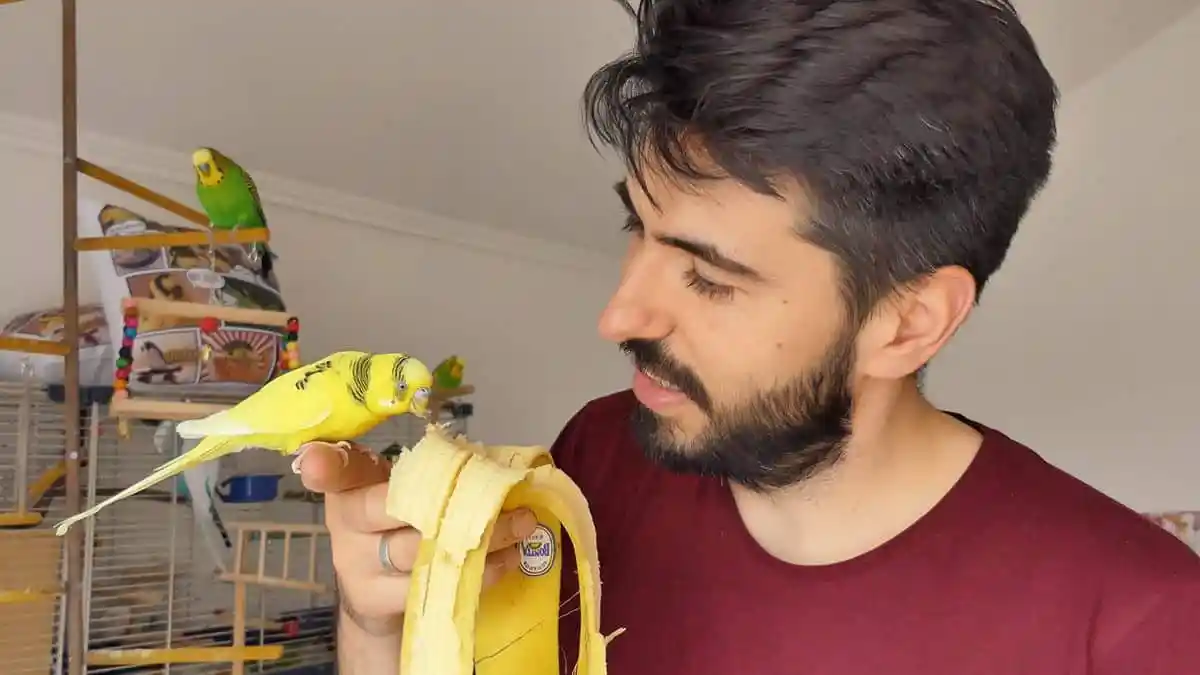
Fruits serve as healthy treats that provide vitamins, antioxidants, and hydration. Most parakeets love fruit, making it useful for bonding and training. However, fruits contain natural sugars, so they should remain occasional rather than daily staples.
Safe fruits for parakeets include:
- Apples (remove all seeds): High in fiber and vitamin C
- Berries (blueberries, strawberries, raspberries): Antioxidant-rich and easy to serve
- Grapes (cut in half): Hydrating and naturally sweet
- Melons (cantaloupe, honeydew, watermelon): Excellent hydration source
- Banana: Potassium source, feed sparingly due to sugar content
- Mango and papaya: Vitamin A powerhouses for feather health
- Kiwi: Vitamin C dense
- Pears (seedless): Gentle on digestion
- Pomegranate seeds: Antioxidant benefits
Always wash fruits thoroughly and remove any seeds, pits, or stems before serving. Cut pieces into sizes smaller than your parakeet’s head for safe eating. Remove uneaten fresh fruit within two hours to prevent bacterial growth.
Fruit Preparation Guide:
| Fruit | Preparation Method | Serving Size | Frequency |
|---|---|---|---|
| Apple | Remove seeds, slice thin | Thumbnail-sized piece | 2-3x weekly |
| Berries | Wash, serve whole or halved | 1-2 berries | 2-3x weekly |
| Grapes | Wash, cut in half | Half grape | 2-3x weekly |
| Melon | Remove rind, cube small | Small cube | 2-3x weekly |
What Fruit Can Parakeets Not Eat?
Some fruits are dangerous or toxic to parakeets and must be avoided completely.
Never feed parakeets:
- Avocado: Contains persin, which causes cardiac distress and death in birds
- Fruit pits and apple seeds: Contain cyanogenic compounds that release cyanide when digested
- Rhubarb: High oxalic acid content is toxic to birds
- Unripe tomatoes: Contain solanine, though ripe tomato flesh is safe in small amounts
If your parakeet accidentally consumes any toxic fruit, contact an avian veterinarian immediately. Symptoms of poisoning include difficulty breathing, lethargy, regurgitation, and loss of coordination. Time matters with toxin exposure, so do not wait to see if symptoms develop.
What Vegetables Can Parakeets Eat?
Vegetables should form a significant portion of your parakeet’s fresh food intake, roughly 20-25% of the total diet. They provide essential vitamins, minerals, and fiber that support immune function, feather health, and digestion.
| Vegetable | Key Nutrients | Serving Notes | Feeding Frequency |
|---|---|---|---|
| Leafy greens (kale, romaine) | Calcium, Vitamin K | Daily staple, rotate varieties | Daily |
| Carrots | Beta-carotene, Vitamin A | Grate or slice thin | 3-4x weekly |
| Broccoli | Vitamin C, fiber | Florets and stems both safe | 3-4x weekly |
| Bell peppers | Vitamin C, antioxidants | All colors safe, remove seeds | 3-4x weekly |
| Zucchini | Hydration, gentle fiber | Raw or lightly steamed | 2-3x weekly |
| Cucumber | Hydration | Remove seeds for easier eating | 2-3x weekly |
Picky Eater Troubleshooting Techniques:
Many parakeets initially refuse vegetables. Here is what works:
- Eat in front of your bird. Parakeets are flock animals and copy eating behaviors they observe.
- Clip vegetables to cage bars near favorite perches rather than placing in food dishes.
- Try different preparations. Some birds prefer raw, others like lightly steamed or finely chopped.
- Mix tiny vegetable pieces into seed mix to encourage accidental sampling.
- Persist for at least two weeks. Birds often need 10-15 exposures before accepting new foods.
What Foods Are Toxic To Parakeets?
Certain foods are dangerous to parakeets and must never be accessible to your bird. Not just avoided in the food dish, but kept completely out of your parakeet’s environment. These birds are curious and will sample anything within reach.
Traffic Light Food Safety Reference:
| GREEN (Always Safe) | YELLOW (Moderation) | RED (Never Feed) |
|---|---|---|
| Pellets | Sunflower seeds | Avocado |
| Leafy greens | Banana | Chocolate |
| Carrots | Spinach | Caffeine |
| Broccoli | Corn | Onions/Garlic |
| Apples (seedless) | Peanuts | Alcohol |
| Berries | Bread | Fruit pits/seeds |
Toxic foods include avocado, chocolate, caffeine, alcohol, onions, garlic, fruit pits, apple seeds, salt, xylitol, raw beans, and mushrooms.
The physiological reason birds are so sensitive to these toxins relates to their small body size and high metabolic rate. What might cause mild discomfort in a mammal can be fatal to a bird weighing only 30-40 grams.
If accidental ingestion occurs, contact an avian veterinarian or emergency animal poison control immediately at 888-426-4435.
What Do Parakeets Drink And How Do You Keep Them Hydrated?
Fresh, clean water is non-negotiable for parakeet health. Water should be available at all times and changed at least once daily, more frequently in warm weather or if debris falls in.
Filtered water is preferable to tap water in areas with high chlorine or heavy metal content. However, most municipal tap water is safe once chlorine dissipates, which happens within 24 hours if left standing. Avoid distilled water, which lacks beneficial minerals.
Position water dishes away from food to prevent contamination. Clean dishes daily with hot water and mild soap, rinsing thoroughly. Fresh fruits and vegetables contribute to hydration as well, particularly cucumber, melon, and lettuce.


How Often Should You Feed A Parakeet?
Parakeets have fast metabolisms and should have access to food throughout the day. The standard approach is providing pellets and seeds in the morning, which remain available all day, supplemented by fresh foods offered once or twice daily.
Fresh vegetables and fruits should be removed after two to three hours to prevent spoilage and bacterial growth.
Seasonal Feeding Adjustments:
| Season/Condition | Dietary Adjustment | Reason |
|---|---|---|
| Molting | Increase protein, add egg food | Feather production demands protein |
| Breeding | Double calcium, increase protein | Egg production and chick feeding |
| Winter | Slightly increase fat content | Energy for temperature regulation |
| Summer | Increase hydrating foods | Combat heat and dehydration |
Monitor your parakeet’s food intake daily. Sudden appetite changes often indicate illness before other symptoms appear.
How Much Should You Feed Your Parakeet Each Day?
A healthy adult parakeet typically eats 1.5 to 2 teaspoons of pellets and seeds combined per day, plus fresh produce portions roughly the size of their head.
Sample Weekly Meal Plan:
| Day | Morning | Afternoon Fresh Food | Treat |
|---|---|---|---|
| Monday | Pellets + seed mix | Kale and carrot | None |
| Tuesday | Pellets + seed mix | Broccoli and bell pepper | Millet spray |
| Wednesday | Pellets + seed mix | Romaine and zucchini | Apple slice |
| Thursday | Pellets + seed mix | Spinach and snap peas | None |
| Friday | Pellets + seed mix | Cucumber and kale | Berries |
| Saturday | Pellets + seed mix | Carrot and broccoli | Millet spray |
| Sunday | Pellets + seed mix | Mixed greens | Grape half |
Calcium supplementation is important, particularly for breeding females. Cuttlebone should be available continuously.
What Are The Best Occasional Treats For A Parakeet?
Treats strengthen the bond between parakeet and owner while providing training motivation. The best treats are healthy foods your bird finds especially exciting.
Excellent treat options include millet sprays, small pieces of hard-boiled egg, sprouted seeds, herb seeds like basil and cilantro, and occasional honey sticks.
The key distinction is frequency. Treats should not exceed 5-10% of total intake.
Treat your parakeet to our premium snack range — natural, bird-safe, and loved by birds everywhere. Add a pack to your order today.
Why Top Breeders Trust This Diet
Avian veterinarians confirm pellet-based diets prevent fatty liver disease and boost immune function. Join thousands of owners feeding the proven standard.
How To Feed Baby Parakeets?
Baby parakeets require different feeding approaches depending on age. Hatchlings to two weeks old depend entirely on parents or hand-feeding formula. Formula must be mixed to proper consistency and warmed to 104-106 degrees Fahrenheit.
From two to four weeks, chicks begin transitioning to soft foods. By six to eight weeks, most parakeets wean onto solid foods completely.
| Age | Primary Food | Feeding Frequency | Notes |
|---|---|---|---|
| 0-2 weeks | Formula only | Every 2-3 hours | Temperature critical |
| 2-4 weeks | Formula + soft foods | Every 3-4 hours | Introduce soaked pellets |
| 4-6 weeks | Decreasing formula | 3-4x daily | Add small seeds |
| 6-8 weeks | Solid foods | Free access | Monitor weight |
Should Parakeets Eat Grit Or Gravel?
No, parakeets do not need grit or gravel despite persistent misconceptions. Unlike chickens that swallow seeds whole, parakeets hull their seeds before swallowing.
Grit can actually harm parakeets by accumulating in the crop, causing impaction. What parakeets do benefit from are cuttlebone and mineral blocks for calcium and beak conditioning.
What Flowers Do Parakeets Eat?
Edible flowers offer enrichment variety. Safe options include dandelion, chamomile, hibiscus, rose petals, nasturtium, and marigold.
Flowers must be pesticide-free. Never offer flowers from florists or garden centers where chemical exposure is likely.
Why Do Parakeets Eat Their Eggs?
Egg-eating behavior typically signals calcium deficiency. When a parakeet’s body lacks adequate calcium, instinct drives her to reclaim nutrients from laid eggs.
Solutions include ensuring cuttlebone availability, adding calcium-rich vegetables, providing adequate protein, and minimizing stress near the nest.
Nutritional Deficiency Warning Signs
| Symptom | Likely Deficiency | Dietary Solution |
|---|---|---|
| Dull, flaky feathers | Vitamin A | Increase orange/red vegetables |
| Soft beak | Calcium | Add cuttlebone, leafy greens |
| Lethargy | General malnutrition | Switch to pellet-based diet |
| Feather plucking | Protein or boredom | Increase variety, add foraging |
Fact-Check Verification
This article has been verified against current veterinary nutrition guidelines from the Association of Avian Veterinarians and peer-reviewed research in avian medicine journals. All toxic food warnings align with ASPCA Animal Poison Control recommendations. Portion guidelines reflect consensus recommendations from board-certified avian veterinarians.
Download The Complete Parakeet Food Safety Checklist
Stop guessing which fruits are toxic. Get our printable traffic-light food chart and weekly meal planner to keep your bird thriving.
Frequently Asked Questions About What Do Parakeets Eat
What Do Parakeets Eat To Stay Healthy And Happy?
Healthy parakeets eat a varied diet centered on formulated pellets at 60-70%, supplemented with fresh vegetables at 20-25%, limited seeds at 10-15%, and occasional fruit treats. Daily fresh water and calcium sources like cuttlebone complete the nutritional picture.
What Foods Are Toxic To Parakeets And Should Be Avoided?
The most dangerous foods for parakeets are avocado, chocolate, caffeine, alcohol, onions, garlic, and fruit pits or apple seeds. These cause serious organ damage or death even in small amounts. Keep all toxic foods completely away from areas your parakeet can access.