All Wings Aviary



Why Does My Cockatiel Scream When I Leave The Room Today
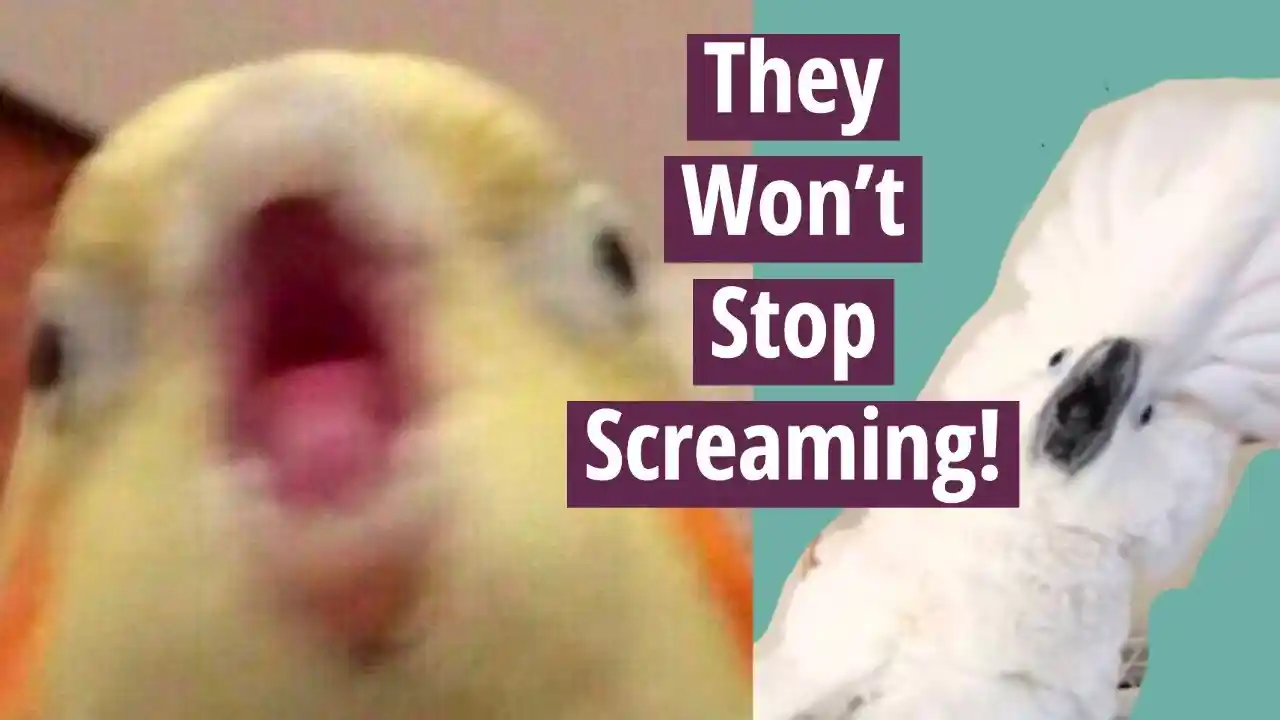
You step out of the room for two minutes and your cockatiel erupts. It sounds urgent, relentless, and honestly exhausting. Here is what most owners get wrong: going back in to quiet the bird is the one thing that makes it worse. This guide explains exactly what is driving that scream, how to tell whether your bird is calling out or genuinely distressed, and the specific steps that actually work to bring calm back to your home.

Key Takeaways
- Screaming when you leave is flock instinct, not bad behavior
- Returning mid-scream accidentally trains the bird to scream louder next time
- Separation anxiety is real in cockatiels and has clear, manageable solutions
- Background sound, enrichment, and short practice departures reduce screaming significantly
- Persistent screaming after four to six weeks of training needs an avian vet assessment
- Night frights are a separate condition from separation screaming and need a different response
Table of Contents
Why Does My Cockatiel Scream When I Leave The Room?
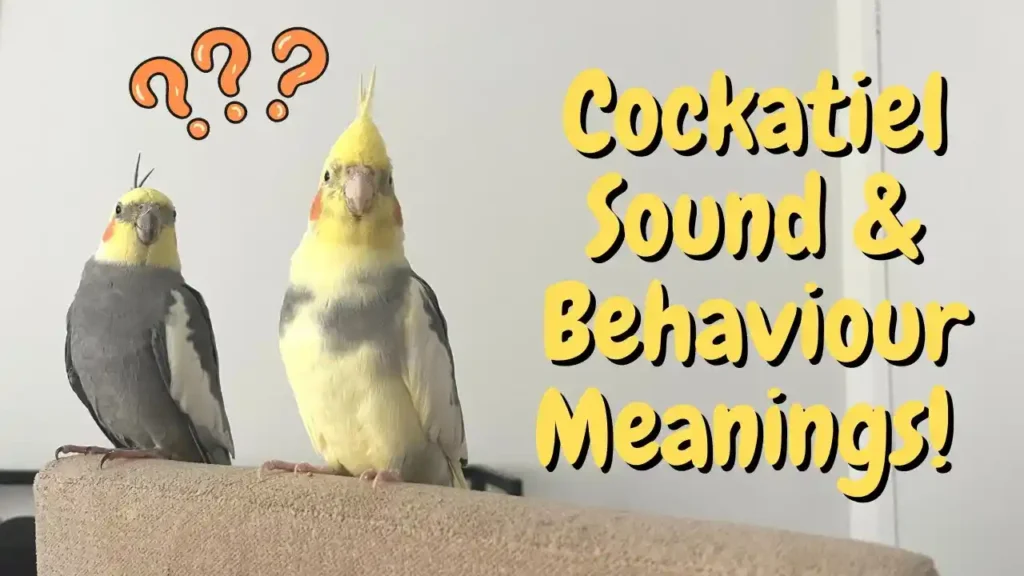
Cockatiels are flock animals. In the wild, a bird that loses sight of its group faces immediate predator risk. Isolation is not just uncomfortable for a cockatiel. From an evolutionary standpoint, it is dangerous.
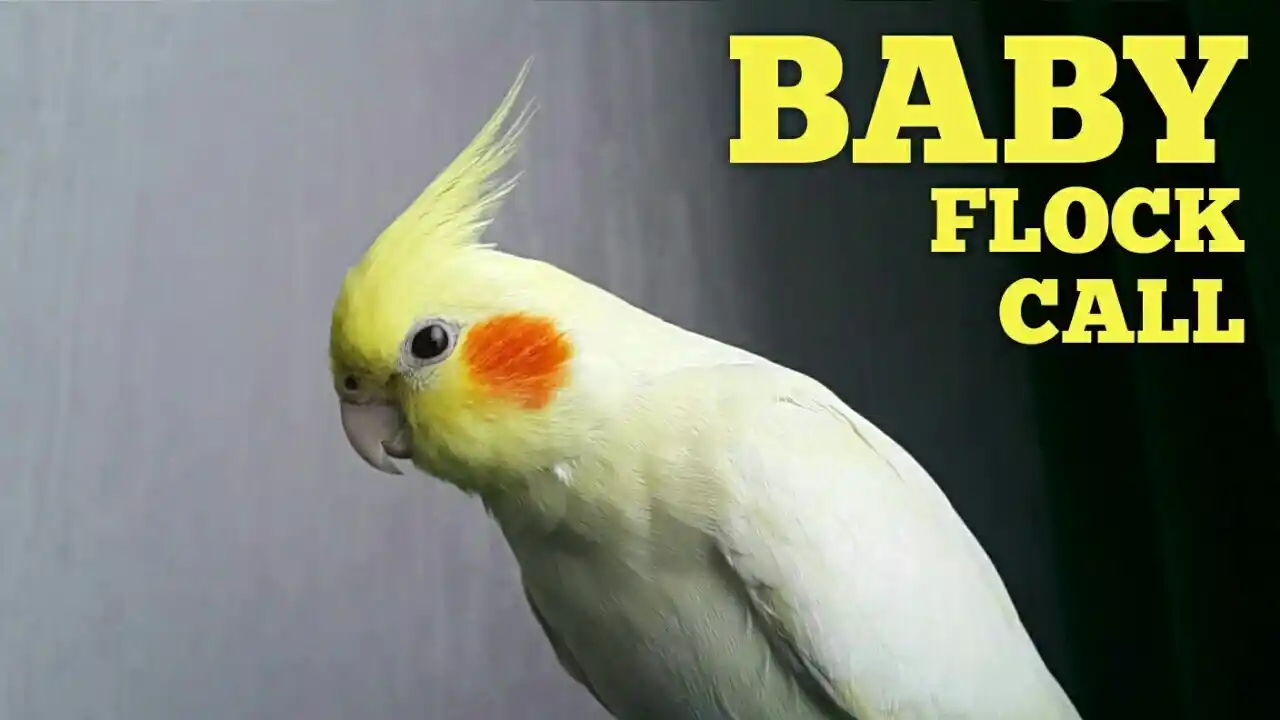
To manage this, cockatiels evolved contact calls: repetitive vocalizations designed to locate flock members across distance. When your bird screams as you leave the room, it is performing this exact behavior. You are its flock. It heard you leave. Now it is calling to confirm you are still nearby.
In practice, most owners first notice this pattern within the first few days of bringing a cockatiel home. The bird is not misbehaving. It is doing what social flock living trained it to do across millions of years. Understanding this reframes everything. You are not dealing with a demanding pet throwing a tantrum. You are dealing with a species whose biology was never designed for solitude.
This behavior is common in single pet cockatiels and does not automatically signal a problem. What matters is the intensity, the duration, and whether the bird can self-settle after a short call goes unanswered.
Why Do Cockatiels Scream For No Apparent Reason?
Random-seeming screams are almost never truly random. Something triggered them. Common triggers that owners overlook include a shadow crossing the window, sudden changes in room lighting, outside sounds like other birds or traffic, hunger or an empty water dish, television programs with high-pitched audio or bird calls, and boredom from an under-stimulating environment.
The most useful skill you will develop as a cockatiel owner is learning to distinguish a contact call from a distress scream. Use this table as your quick reference:
| Sound Type | Quality | Body Language | What It Means | Your Response |
|---|---|---|---|---|
| Contact call | Rhythmic, repetitive | Normal alert posture | Locating you | Brief vocal reply, then practice ignoring |
| Distress call | Urgent, higher pitch | Feathers flat, wide eyes | Genuine anxiety | Return calmly, assess environment |
| Panic response | Erratic, continuous | Thrashing, disoriented | Fear or pain | Calm environment, consult vet if repeated |
| Night fright | Sudden burst, then silence | May fall from perch | Startled during sleep | Low nightlight, quiet sleep room |
| Soft chirp | Gentle, low volume | Relaxed posture | Casual check-in | Optional soft reply, no action needed |
Is My Cockatiel Screaming or Distressed? Take This Quick Quiz
Answer yes or no to find out what your bird needs right now.
Question 1: Does the screaming happen only when you leave the room or move out of sight?
- Yes: Go to Question 2
- No: Go to Question 4
Question 2: Does the screaming stop within a few minutes if you call back from another room?
- Yes: This is a contact call. Your bird is bonded and checking in. See the training section below for reducing frequency.
- No: Go to Question 3
Question 3: Has the screaming started suddenly in the last week and is it new behavior for your bird?
- Yes: This may be a health signal. Rule out illness or pain before treating this as behavioral. Book an avian vet assessment.
- No: This is likely learned screaming reinforced by past responses. See the departure training section.
Question 4: Does the screaming happen at night or during sleep hours?
- Yes: This may be a night fright. See the night fright section below.
- No: Go to Question 5
Question 5: Does the screaming go on for most of the day regardless of your location?
- Yes: This points to boredom or hormonal behavior. See the all-day screaming section.
- No: Observe for two more days and note the specific trigger pattern before acting.
Is Your Cockatiel Screaming or Truly Distressed?
Most owners can’t tell the difference — and responding to the wrong one makes it worse. Find out exactly what your bird’s vocalization means right now.
Can Cockatiels Get Separation Anxiety?
Yes. Cockatiels can and do develop genuine separation anxiety, and it is most common in birds that are strongly bonded to a single person with limited exposure to independent time.
Separation anxiety goes beyond screaming. Watch for these behavioral signs:
| Behavior | What It May Indicate |
|---|---|
| Feather plucking or over-preening | Chronic stress response |
| Loss of appetite when owner is absent | Emotional distress |
| Pacing or repetitive movement | Anxiety or severe boredom |
| Refusing all interaction with other household members | Extreme single-person bonding |
| Screaming that does not reduce even after contact | Escalating separation anxiety |
Over-bonding is the most common cause. When a cockatiel spends the majority of its waking hours on your shoulder with no independent entertainment, it never develops the ability to self-soothe. Behaviorally, this is the same pattern seen across social species: an animal that outsources all emotional regulation to one attachment figure becomes destabilized when that figure disappears.
Expert Consensus Box
Avian behavioral specialists agree on three core points regarding cockatiel screaming:
- Contact calling is a normal, instinctive flock behavior, not a training failure.
- Learned screaming develops through operant conditioning when owners return to the room mid-scream, reinforcing the behavior unintentionally.
- Gradual desensitization through systematic short departures is the evidence-supported intervention for separation anxiety in companion parrots.
Cockatiel Screaming When Alone: What Triggers It?
The four most common causes are loneliness, boredom, fear, and learned behavior. Learned behavior deserves the most attention because it is the cause owners most often accidentally create themselves.
If you have returned to the room every time your bird screamed, you have used positive reinforcement without intending to. The bird tried a behavior, it worked, so it repeated it. This is operant conditioning. The bird found a reliable strategy and is applying it logically.
Duration shapes intensity as well. A bird left alone for twenty minutes in an enriched environment manages reasonably well. A bird alone for eight hours in a bare cage with no sound and no stimulation is genuinely struggling. The screaming in each case sounds different and responds to different solutions.
Why Does My Cockatiel Scream All Day?
If screaming is not limited to your departures and continues throughout the day, the root cause is likely separate from separation anxiety.
Insufficient mental stimulation is the most common cause. Cockatiels require foraging opportunities, rotating toys, and varied social interaction. A bird with nothing to engage with will vocalize from pure boredom.
Hormonal behavior is a seasonal factor many owners do not anticipate. In the Northern Hemisphere, cockatiels typically enter breeding condition between late winter and early summer, roughly February through June. During this window, they become significantly more vocal, more reactive, and more persistent. No amount of training fully suppresses hormonally driven behavior at its peak. Knowing the season helps you stay patient rather than escalating the training pressure.
Health issues must be ruled out first. A cockatiel in pain or physical discomfort screams. If all-day screaming appeared suddenly and is new behavior, treat it as a potential health signal before assuming it is behavioral.
Selling Point: Explore our recommended cockatiel enrichment toys and calming products, shop our curated collection to keep your bird stimulated and stress-free all day long.
A cockatiel owner who reduced all-day screaming by introducing foraging toys and a structured daily routine, showing specific behavioral changes over a four-week observation period
How To Stop A Cockatiel From Screaming
Consistency and patience are the only real foundation here. The most important rule is this: do not return to the room while the bird is screaming. When you come back mid-scream, you confirm to the bird that screaming works. Wait for even a brief pause, then return calmly.
When to seek veterinary help: If screaming persists beyond four to six weeks of consistent training, or if the bird shows physical symptoms alongside the vocalization, consult an avian veterinarian before continuing behavioral work alone.
Two-Week Independence Training Schedule
| Day Range | Departure Duration | Frequency Per Day | What to Observe |
|---|---|---|---|
| Days 1 to 3 | 10 to 30 seconds | 8 to 10 times | Does bird settle before you return? |
| Days 4 to 7 | 1 to 3 minutes | 6 to 8 times | Note whether screaming starts immediately or after a delay |
| Days 8 to 11 | 5 to 10 minutes | 4 to 6 times | Look for first signs of self-settling behavior |
| Days 12 to 14 | 15 to 20 minutes | 3 to 4 times | Bird should begin to show reduced urgency in calls |
Pair every departure with the same calm verbal cue, such as “back soon,” in the same tone each time. This becomes a conditioned predictor of return, not just a goodbye. Over weeks, the phrase alone begins to reduce the anxiety response at the moment you leave.
What a First-Person Training Week Actually Looks Like
The hardest part of departure training is not the technique. It is sitting in the kitchen listening to your bird scream and not going back in. Most owners describe the first three days as genuinely distressing. The bird calls. You feel guilty. Every instinct says go back.
In practice, the first improvement usually appears around Day 4 or 5. The screaming still starts, but it stops sooner. By the end of the second week, many owners notice their bird will call out once or twice and then return to playing or foraging. That shift, from relentless screaming to a brief check-in, is the goal. It means the bird has started to trust that you are coming back.
What Sounds Calm Cockatiels When Screaming?
Background noise reduces screaming because it masks the silence that activates the flock-separation instinct. Soft classical music, nature soundscapes, and low-volume talk radio all work well for most cockatiels. Many owners report that leaving a nature documentary playing produces a noticeably calmer bird.
Avoid sounds that include other bird calls, high-pitched alarms, or unpredictable audio spikes from talk show audiences or laugh tracks. These agitate rather than soothe.
Some owners use recordings of their own voice during short absences. This can be effective in the short term, though many birds habituate to repetitive audio within one to two weeks.
How To Destress A Cockatiel And Stop It From Screaming?
Reducing screaming sustainably requires reducing baseline stress first. A calm bird screams less.
Sleep duration: Cockatiels need 10 to 12 hours of uninterrupted sleep per night.
Fact-Check: The 10 to 12 hour sleep recommendation is consistent with guidance from avian veterinary care resources.
Diet quality: A varied diet including fresh leafy greens, high-quality pellets, and limited seed reduces nutritional stress. A bird running on a seed-only diet is more likely to show anxious behaviors.
Cage placement: Position the cage where the bird can observe household activity without being in the middle of chaos, away from kitchen fumes, drafts, and direct afternoon sun.
Out-of-cage time: Aim for at least one to two hours of supervised interaction daily. Physical engagement during this time reduces the need to seek stimulation through screaming.
Enrichment by Budget and Screaming Trigger
| Enrichment Type | Approximate Cost | Screaming Trigger It Addresses |
|---|---|---|
| Foraging toys with hidden food | Low | Boredom, under-stimulation |
| Rotating toy set (swap weekly) | Low to medium | Boredom, learned habit |
| Puzzle feeders | Medium | Boredom, excessive energy |
| Cage radio or sound machine | Low | Loneliness, silence sensitivity |
| Second mirror or visual stimulation | Low | Mild loneliness in single birds |
| Companion bird | High (long-term commitment) | Chronic loneliness, single-bird bonding |


How To Stop Separation Anxiety In Birds
Gradual desensitization is the method with the strongest behavioral evidence behind it. Start with micro-departures of ten seconds. Return before the bird escalates to full screaming. Repeat many times. Over days, extend to thirty seconds, then a minute, then five. The bird accumulates a reference library of experiences that confirm: owner leaves, owner comes back. That reference library is the foundation of calm.
Actively reward calm behavior. When you return and your bird is quiet, offer a small treat or a moment of gentle interaction immediately. This reinforces that calm is the state that produces good outcomes.
When to Call the Vet: Separation Anxiety Checklist
If you check three or more of these boxes, schedule an avian vet appointment before continuing training:
- Screaming has not reduced at all after four weeks of consistent training
- Bird has begun pulling or chewing its feathers
- Appetite has decreased noticeably
- Bird appears lethargic between screaming episodes
- Screaming episodes include physical thrashing or disorientation
- Behavior changed suddenly rather than gradually
What Is The 3 3 3 Rule For Separation Anxiety?
The 3 3 3 rule was originally developed for rescue dogs: three days to decompress, three weeks to learn the routine, three months to feel settled. Adapted for cockatiels, it sets realistic expectations that help owners stay consistent.
In the first three days after a routine change, expect heightened anxiety. The bird has no established predictions yet.
By three weeks, patterns begin to register. Screaming typically starts to decrease in duration during this window.
By three months of consistent training, most cockatiels with moderate separation anxiety show meaningful improvement. Inconsistent training resets the clock. This is the single most common reason owners report that “nothing worked.”
My Cockatiel Screams At My Partner When I Am Not Around
This is a redirected contact call layered with frustration. Your bird wants you specifically. Your partner is present but is not the attachment figure.
Partner Integration Protocol
Follow these steps in order over a minimum of three to four weeks:
- Your partner becomes the sole feeder for breakfast and dinner for two weeks.
- Your partner offers the bird’s favorite treat during every interaction for the first week.
- Your partner opens and closes the cage each morning and evening.
- Your partner initiates gentle, low-pressure interaction: talking softly near the cage, offering a hand perch without forcing it.
- After two weeks, your partner begins short handling sessions with the bird, starting at thirty seconds and building up.
- Never force interaction during a screaming episode. End sessions when the bird is calm, not when it is distressed.
Expect three to six weeks before meaningful acceptance develops. Patience here is not optional.
Stop Returning Mid-Scream and Actually See Results
vian behavioral specialists confirm: gradual desensitization is the evidence-supported method for separation anxiety. Follow the exact two-week schedule that works.
How To Know If A Bird Is Panicking?
There is a meaningful behavioral difference between a contact call, a distress call, and full panic. Recognizing the difference helps you respond appropriately.
One important distinction: repeated nighttime panic involving thrashing and apparent disorientation is often a night fright, a recognized behavioral phenomenon in cockatiels triggered by sudden noises or shadows during sleep. Night frights are distinct from separation-based screaming.
Night Fright vs. Separation Screaming: Key Differences
| Feature | Night Fright | Separation Screaming |
|---|---|---|
| Timing | During sleep hours | During your waking departures |
| Trigger | Sudden noise or shadow | Your physical absence |
| Duration | Short burst, then stops | Sustained until you return or bird self-settles |
| Body language | Disoriented, may fall from perch | Alert, watching for your return |
| Solution | Low nightlight, quiet sleep room | Departure desensitization training |
If panic episodes are frequent, escalating, or accompanied by injury, this is not a training issue. Schedule a consultation with a certified avian veterinarian.
Why Does My Bird Chirp When I Leave The Room?
Chirping on your departure is a softer, less urgent form of contact calling. It signals that the bird noticed you leave and is casually checking in, not panicking. This is normal and healthy.
You do not need to correct it. A brief, calm chirp back from wherever you are is fine. Most birds that chirp softly at departure settle back to their own activity within a minute or two. This is the behavior of a well-adjusted, bonded bird.
Cockatiel Crying vs. Screaming: What Is The Difference?
“Crying” is a colloquial term owners use, not a scientific category, but it describes a real and distinct sound. Crying sounds are quieter, lower in pitch, and often accompanied by slightly fluffed feathers and a subdued posture. They typically signal mild loneliness or low-level distress rather than urgent alarm.
Respond to soft crying with gentle presence and increased daily social interaction. A bird that cries frequently may not be getting enough one-on-one time.
Respond to screaming by not rushing in. Wait for quiet, then return calmly. Consistency between these two responses helps the bird learn which vocalization produces connection and which produces nothing.
Developing a genuine ear for your cockatiel’s full vocal range takes most owners two to three months of consistent observation.
Download Your Cockatiel Screaming Cheat Sheet Today
The full reference table — contact calls, distress signals, night frights, and the correct response to each — in one printable guide you can keep at the cage.
Frequently Asked Questions About Why Does My Cockatiel Scream When I Leave The Room
Why Does My Cockatiel Scream When I Leave The Room And How Do I Stop It?
Your cockatiel screams because it is a flock animal and your departure activates its contact call instinct. To reduce this, stop returning to the room while the screaming is happening. Wait for a brief pause, then come back calmly. Practice short deliberate departures that you gradually extend over weeks. Pair leaving with a calm, consistent verbal cue. Most birds show measurable improvement within three to four weeks of daily consistent practice.
How Do I Stop Separation Anxiety In My Cockatiel?
Start with micro-departures of ten seconds and build duration slowly over weeks. Return when the bird is calm and reward that calm immediately with a treat or gentle interaction. Enrich the cage environment with foraging toys and rotating objects. Avoid reinforcing screaming by returning mid-call. If anxiety symptoms include feather plucking, appetite loss, or screaming that does not improve after four to six weeks, consult an avian veterinarian before continuing behavioral work alone.