All Wings Aviary


Can Cockatiels Eat Celery: Raw Stalk Leaves And Vitamin A Benefits
When I first offered celery to my cockatiels, I had the same worry you probably do now: is this crunchy green snack actually safe, or could it harm them? In this guide, I will walk you through exactly how celery fits into a cockatiel’s diet, how to prepare it safely, what to avoid, and how it compares with other vegetables like broccoli, cabbage, and what parakeets can eat too.

Key Takeaways
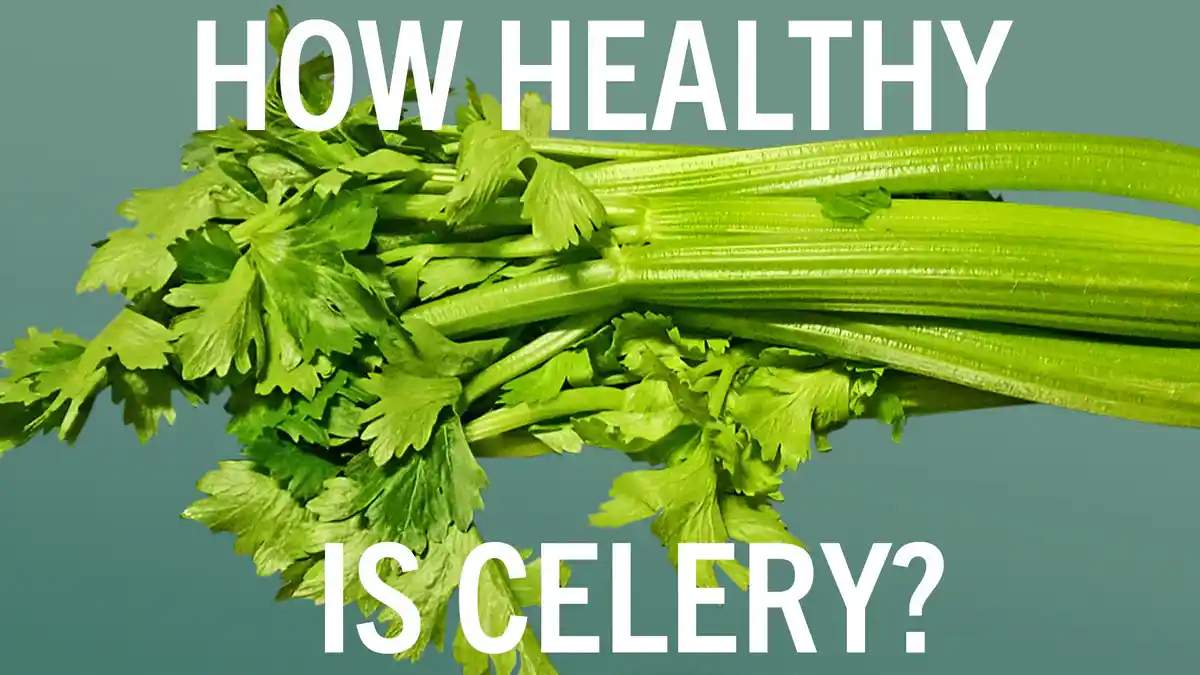
- Cockatiels can eat celery in small, well-prepared pieces as an occasional treat, not a main food.
- The high water content helps with hydration, but celery is low in calories and vitamin A, so it must be part of a varied diet.
- Always wash, trim, and de-string celery to reduce choking risks, and avoid all toxic foods like avocado and onions.
Table of Contents
Can Cockatiels Eat Celery
Cockatiels can safely eat celery as a small part of a balanced diet, as long as it is prepared properly and fed in moderation. Celery is a crunchy, low-calorie vegetable made mostly of water, with small amounts of vitamins and minerals.
For pet birds, that means celery is more of a hydrating, enrichment food than a major nutrient source. In this article, I will explain how celery helps, what its limits are, how to prepare both stalks and leaves, which vegetables are dangerous, and how all of this fits into a healthy daily menu for cockatiels and other small parrots.
Is Celery Safe For Cockatiels To Eat Raw?
Raw celery is generally safe for cockatiels if you cut it into very small pieces and remove the tough strings. The crunchy texture can help keep their beaks busy and provide variety, which is mentally stimulating.
However, celery’s fibrous strands can be a choking or crop impaction risk if you serve long, stringy strips. I always slice the stalk into thin, short pieces and peel away obvious strings before offering it.
Common mistakes when feeding raw celery:
- Offering long, uncut stalks that a small bird can’t easily bite through
- Not washing celery to remove pesticides and dirt
- Letting wet vegetable pieces sit in the cage for hours, which can grow bacteria
If you see your cockatiel struggling, coughing, or shaking its head while eating celery, remove the pieces and switch to finer cuts.
Is Your Cockatiel Getting Enough Vitamin A?
Celery alone won’t cover your bird’s vitamin A needs. Discover which vegetables truly protect your cockatiel’s feathers, eyesight, and immune health.
What Are The Nutritional Benefits Of Celery For Cockatiels?
Celery is not a superfood for cockatiels, but it has a few useful benefits when used correctly.
Key points:
- High water content: Celery is mostly water, so it supports hydration, especially in warm weather or in dry indoor air.
- Trace vitamins and minerals: It offers small amounts of vitamin K, some B vitamins, and minerals like potassium.
- Low calories: Celery will not significantly contribute to weight gain, which is helpful for birds prone to obesity on seed-heavy diets.
Here is a simple comparison of what celery mainly offers compared to two other common veggies:
| Vegetable | Main Benefit For Birds | Notable Limitation |
|---|---|---|
| Celery | Hydration, crunch, variety | Low vitamin A and overall energy |
| Broccoli | Vitamin A, C, fiber | Can cause gas if overfed |
| Cabbage | Fiber, some vitamins | Goitrogenic if fed too often |
So, celery is best viewed as a hydrating side dish, not a primary vitamin source. It should complement, not replace, darker leafy greens and orange vegetables that offer far more vitamin A.
How Much Vitamin A Does Celery Provide For Cockatiels?
Celery contains only a small amount of vitamin A compared with vegetables like carrots, sweet potato, or dark leafy greens. Vitamin A is essential for:
- Healthy feathers and skin
- Good eyesight, especially in low light
- Strong immune function and respiratory health
Avian veterinarians and reputable bird organizations consistently recommend feeding vitamin A–rich vegetables to cockatiels, such as carrots, pumpkin, kale, and red peppers, because seed-only diets are often deficient. Celery alone cannot meet this need.
Think of it this way:
- Celery: hydration and enrichment
- Carrots/sweet potato: real vitamin A powerhouses
For that reason, I keep celery as an occasional snack and focus on orange and dark green vegetables for vitamin A.
How Should You Prepare Celery Before Feeding It To Your Cockatiel?
Safe preparation is more important than the celery itself. Here is the step-by-step process I use.
Choose fresh stalks
Avoid limp, yellowing celery. Fresher stalks tend to be crisper and safer to cut into tiny pieces.Wash thoroughly
Rinse under running water and rub the surface to remove soil and pesticide residues.Remove the base and leaves (for now)
Trim off the root end and separate the leaves if you want to prepare them differently.De-string the stalk
Gently pull away the tough outer strings. You can use a small knife or your fingers.Cut into tiny pieces
For cockatiels, aim for pieces about the size of a sunflower seed or smaller.Serve in moderation
Offer a teaspoon or less at a time, mixed with other vegetables, a few times per week at most.Remove leftovers
Take out any uneaten celery after 1–2 hours to prevent spoilage.
Here is a quick portion and prep guide:
| Bird Type | Piece Size | Frequency Guide |
|---|---|---|
| Cockatiel | Tiny seed-sized bits | 1–3 times per week |
| Parakeet | Very fine small bits | 1–2 times per week |
| Lovebird | Small peas-sized | 1–3 times per week |
Common mistakes to avoid:
- Making celery a daily staple instead of a rotating treat
- Not balancing it with higher-nutrient vegetables
- Offering large wet chunks that stick to perches and toys
Can Cockatiels Have Celery Leaves As Well As The Stalk?
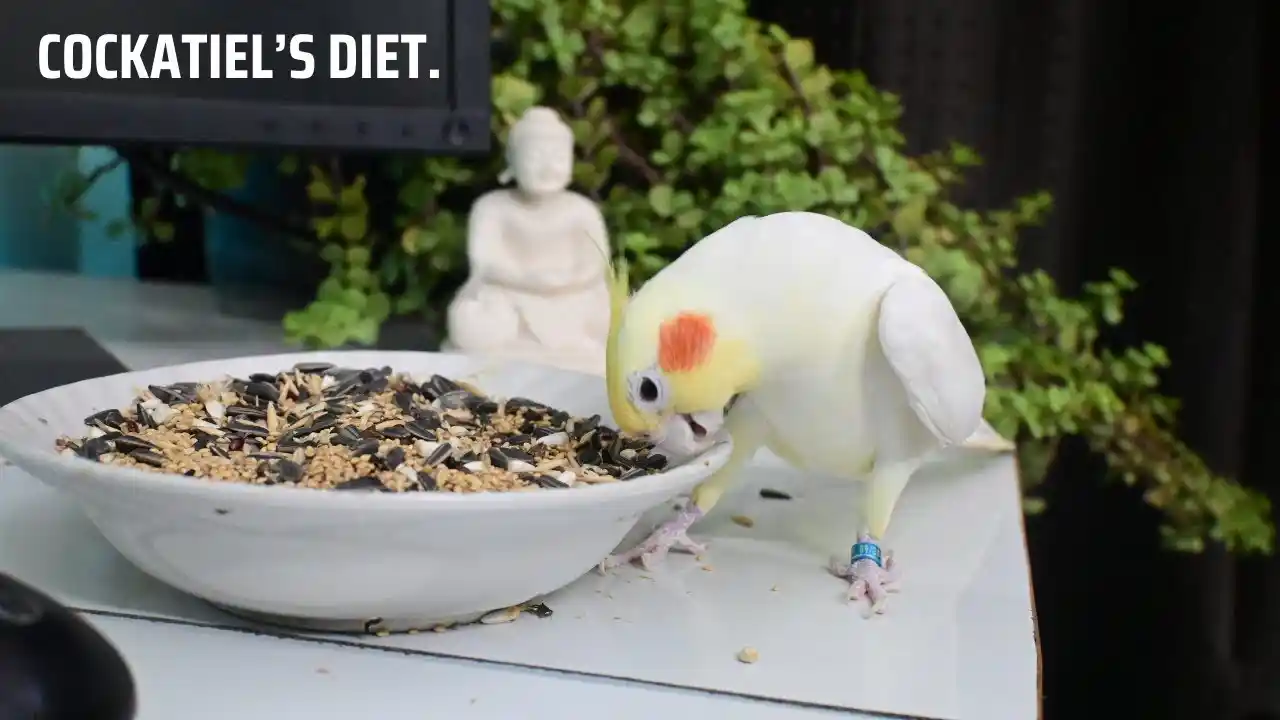
Cockatiels can eat celery leaves as well as the stalk, and in many cases the leaves may be slightly more nutritious. The leaves often contain more concentrated vitamins and minerals than the pale stalk, but they can also have a stronger taste that some birds either love or ignore.
You can finely chop celery leaves and mix them into a veggie chop, so your cockatiel gets a bit of everything:
- A few tiny pieces of leaf for nutrients
- Some stalk for crunch and hydration
- Other greens and orange vegetables for vitamin A
Can Cockatiels Eat Broccoli As A Nutritious Alternative?
Broccoli is generally more nutritious than celery for cockatiels and is considered a healthy staple vegetable when fed in moderation. It provides:
- More vitamin A than celery
- Vitamin C and other antioxidants
- Fiber that supports digestion
You can offer broccoli raw in small florets or lightly steamed and cooled. I usually start raw, because many cockatiels enjoy shredding the tiny buds.
Preparation tips for broccoli:
- Wash thoroughly
- Cut florets into very small pieces
- Offer 2–3 times per week, rotating with other vegetables
Can Cockatiels Eat Cabbage Safely?
Cockatiels can eat small amounts of cabbage, but it should not be a daily staple. Cabbage is part of the brassica family and contains goitrogenic compounds, which in large, frequent amounts may interfere with thyroid function.
Key guidelines:
- Serve cabbage finely shredded
- Offer occasionally, not every day
- Combine with a variety of other vegetables
Compared to celery, cabbage is more nutrient-dense but carries that thyroid caution if overused. Celery, while less nutrient-rich, does not have the same goitrogen concern.


What Vegetables Are Harmful Or Toxic To Cockatiels?
Some foods are dangerous or even deadly to cockatiels and must be completely avoided. The most important toxic items in this context include:
- Avocado
- Onions, garlic, leeks, chives
- Raw or undercooked beans of certain types
- Rhubarb leaves
- Chocolate, caffeine, alcohol (not vegetables, but worth repeating)
These foods can affect the heart, red blood cells, digestive system, or nervous system of birds.
Here is a quick symptom checklist table:
| Food | Why Dangerous | Warning Signs To Watch For |
|---|---|---|
| Avocado | Contains toxic persin | Weakness, breathing issues |
| Onion | Damages red blood cells | Lethargy, pale mucous membranes |
| Garlic | Similar to onion effects | Weakness, digestive upset |
| Rhubarb | Oxalic acid, kidney strain | Vomiting, diarrhea, lethargy |
If you suspect your cockatiel ate any of these, call an avian veterinarian immediately.
Can Cockatiels Have Avocado Or Onions?
Cockatiels must never be given avocado or onions. Avocado contains a compound called persin, which is known to be toxic to many bird species and has been associated with heart and respiratory problems. Onions and related plants can cause oxidative damage to red blood cells, leading to anemia.
This is not an area to experiment with. Even small amounts are not worth the risk.
When to call an avian vet:
- Sudden weakness or inability to perch
- Trouble breathing or open-mouth breathing
- Vomiting, diarrhea, or very dark/very pale droppings
- Puffing up and staying still for long periods
What Do Wild Cockatiels Naturally Eat?
In the wild, cockatiels in Australia primarily eat:
- Seeds from native grasses and plants
- Fresh green shoots and leaves
- Occasional fruits, berries, and other plant matter
Their diet is varied and seasonal, and they spend a lot of time flying and foraging. Understanding this wild pattern helps us design a more natural, healthier captive diet.
Here is a simplified wild vs captive comparison:
| Diet Type | Wild Cockatiel | Pet Cockatiel Goal |
|---|---|---|
| Seeds | Wide mix, seasonal | Quality pellets and seed mix |
| Greens | Shoots, grasses, leaves | Leafy greens, herbs, celery |
| Extras | Berries, occasional crops | Fruits, safe veggies and treats |
Celery represents part of the fresh, green plant material they might encounter in nature, though the exact plant species differ. It adds variety and mimics the experience of nibbling on moist greens.
Feed Your Cockatiel the Way Avian Experts Recommend
Most seed-heavy diets lead to obesity and deficiencies. Get the vet-approved balanced menu that experienced cockatiel owners actually use daily.
What Should A Balanced Cockatiel Diet Look Like?
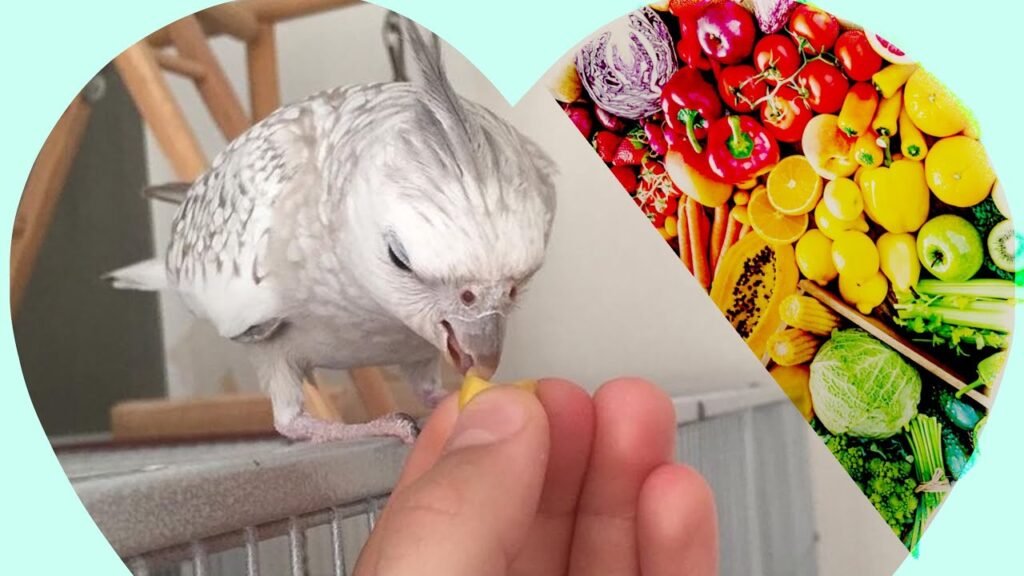
A balanced cockatiel diet typically includes:
- Pellets: Often 50–70 percent of the diet, depending on your vet’s advice
- Seeds: As a smaller portion, or mainly as training treats
- Fresh vegetables: Daily, focusing on vitamin A–rich options
- Fruits: A few times per week, in small amounts
- Fresh water: Always available
One of the most common mistakes I see is relying almost entirely on seeds. This can lead to obesity, vitamin A deficiency, and liver problems over time.
Sample one-day menu for a cockatiel
Here is a simple example of how celery can fit into a balanced day:
- Morning: Pellets plus a small spoon of mixed chopped vegetables (carrot, spinach, a few celery bits)
- Afternoon: A few seeds used as training rewards
- Evening: More pellets and maybe a tiny piece of fruit (like a bit of apple), no avocado
Can You Feed People Food To Your Cockatiel Safely?
You can share some human foods with your cockatiel, but you must be selective. Safe options (in moderation) include:
- Plain cooked whole grains (brown rice, quinoa)
- Plain cooked vegetables without salt or sauce
- Tiny amounts of whole-grain bread or pasta
Avoid:
- Salty, fried, or heavily seasoned foods
- Sugary snacks and candy
- Anything with chocolate, caffeine, or alcohol
Introduce new foods slowly, one at a time, so you can watch for any digestive upset or allergic reactions.
Fact-check note:
Guidance here is aligned with common avian veterinary recommendations to avoid high-fat, high-salt, and toxic human foods. Always cross-check with your own avian vet if in doubt.
Can Parakeets And Other Birds Eat Celery Too?
Parakeets, lovebirds, and many other small parrots can also eat celery in small, well-prepared amounts. Their needs are similar to cockatiels, but body size and individual preference vary.
The same rules apply:
- Wash thoroughly
- De-string the stalk
- Serve very small pieces mixed with other vegetables
- Do not rely on celery as a main nutrient source
Here is a quick cross-species guide:
| Species | Can Eat Celery? | Prep Notes |
|---|---|---|
| Cockatiel | Yes, in bits | Seed-sized pieces, 1–3 times weekly |
| Parakeet | Yes, in bits | Extra-fine pieces, 1–2 times weekly |
| Lovebird | Yes, in bits | Small pieces, mixed with other veg |
Selling Point: Browse Our Range Of Bird-Safe Fresh Food Accessories And Feeding Tools Designed For Small Parrots — Make Mealtime Fun And Nutritious For Your Flock.
Is Celery Good For Parakeets Specifically?
For parakeets, celery plays a similar role as it does for cockatiels: a hydrating, low-calorie treat that adds crunch and variety. Parakeets are even smaller, so portion size and cut size matter more.
Compared to cockatiels, parakeets often need:
- Finer chopping of celery pieces
- Slightly smaller overall portions
In both species, the real nutritional heavy-hitters are dark greens and orange vegetables, with celery acting as a fun extra.
Download Your Free Cockatiel Safe Foods Checklist
Never second-guess a vegetable again. This quick-reference guide covers safe foods, toxic dangers like avocado and onion, and prep tips for celery, broccoli, and cabbage.
Frequently Asked Questions About Can Cockatiels Eat Celery
Can Cockatiels Eat Celery As Part Of Their Daily Diet?
I recommend offering celery as an occasional vegetable rather than a daily staple. While it is safe and hydrating, it is low in vitamin A and other key nutrients. Focus on a base of pellets, with a rotating selection of more nutrient-dense vegetables, and use celery as a treat a few times per week.
What Vegetables Are Harmful Or Toxic To Cockatiels?
The main vegetable-related dangers include avocado, onions, garlic, leeks, and rhubarb leaves. These can damage organs, blood cells, or the nervous system. Always double-check any new vegetable with a trusted avian source, and when in doubt, skip it and ask your avian vet.
Value-Added Prompt Chat Link And Consensus
If you are unsure about a specific vegetable or preparation method, consider using a live chat or consultation service with an avian vet or experienced bird nutritionist:
[Value-Added Prompt Chat Link Placeholder: “Ask an avian diet specialist about your bird’s menu”]
Consensus and authoritative sources:
Most avian veterinarians, bird welfare organizations, and reputable care guides agree on the following:
- Variety is essential; seeds alone are not enough.
- Dark leafy greens and orange vegetables are key vitamin A sources.
- Celery is safe in moderation but not nutritionally dense.
- Avocado, onion, and related foods are strictly off-limits.