All Wings Aviary



Cockatiel Life Expectancy: What Determines How Long Pet Birds Live
Bringing a cockatiel home is a 20-year promise. If you feed seeds or ignore sleep, that promise breaks early. I have seen birds die at 5 from liver failure and thrive at 25 on pellets. This guide teaches you how to stop the former and achieve the latter using proven veterinary science.

Key Takeaways
- Seed diets cause fatty liver disease, the leading killer of cockatiels under 10 years old.
- 12 hours of uninterrupted sleep is non-negotiable for immune system health and longevity.
- Annual vet visits add years to a bird’s life by catching silent killers like respiratory infections.
Table of Contents
Cockatiel Life Expectancy
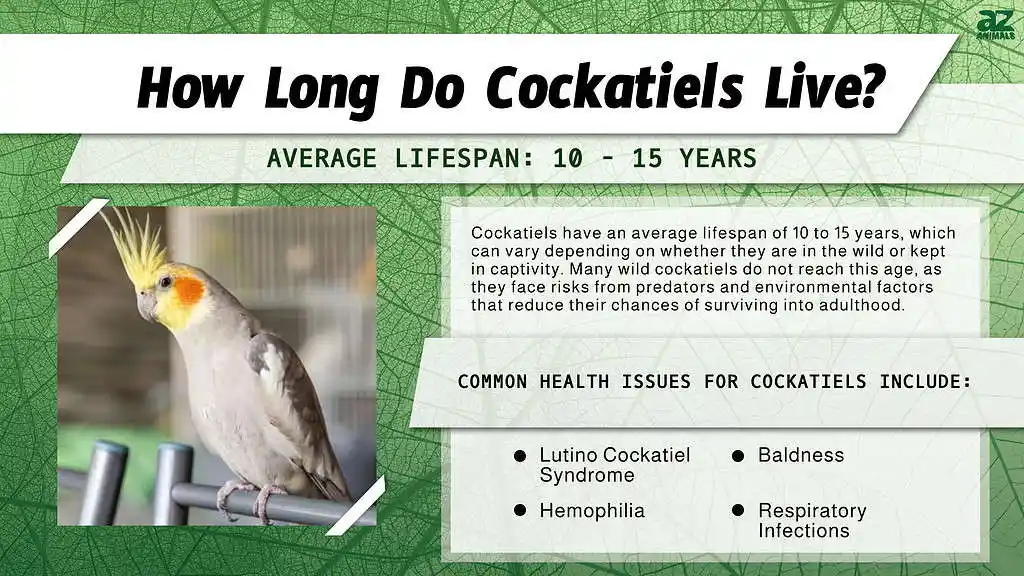
Life expectancy is not just a number; it is a report card on husbandry. In the wild, the Australian outback limits a cockatiel’s life to roughly 5 to 10 years due to predation and drought. In your living room, the statistical ceiling jumps to 20 to 25 years. However, that range is a lie unless you act. The upper limits of this lifespan are only reached through aggressive, proactive management of diet and environment.
For the owner, this metric is a planning tool. When you buy a cage, you are buying it for the bird’s entire adult life. When you choose a diet, you are choosing whether that bird will suffer from arthritis at age 10 or remain active until age 20. Understanding this timeline allows you to prepare for the “geriatric” phase of bird ownership, where mobility issues and illness require specialized, compassionate care.
What Is The Average Lifespan Of A Cockatiel In Human Years?
To empathize with your bird’s changing needs, map their biological clock to ours. While a mathematical multiplier doesn’t work perfectly due to differing metabolic rates, we can correlate life stages effectively.
In the first year, a cockatiel develops rapidly. A 1-year-old cockatiel is biologically equivalent to a human teenager. They are sexually mature, hormonal, and often testing boundaries. By age 5, a cockatiel is in its prime, similar to a human in their 30s. They are settled, bonded, and physically robust.
When a cockatiel hits age 10, they are entering middle age, roughly comparable to a human in their 50s. You might notice they sleep a bit more. At 15, they are seniors, akin to a human in their late 60s or 70s. This comparison helps owners understand why “teenage” birds scream for attention or why older birds might develop cataracts.
Table: Cockatiel Life Stages vs. Human Equivalents
| Cockatiel Age | Life Stage | Human Equivalent | Care Focus |
|---|---|---|---|
| 0-6 Months | Fledgling | Toddler/Child | Hand-feeding, safe fledging, warmth. |
| 1-3 Years | Sub-Adult | Teenager/Young Adult | Behavioral training, boundary setting. |
| 4-10 Years | Prime Adult | Adult (30s-50s) | Weight maintenance, annual exams, exercise. |
| 10-15 Years | Senior | Senior (60s+) | Joint support, eye checks, reduced stress. |
| 15-25+ Years | Geriatric | Elderly (70s+) | Comfort care, perches modification, easy access. |
Is Your Cockatiel's Diet Cutting Years Off Its Life?
Seed mixes cause fatty liver disease — the #1 killer of cockatiels under 10. Find out if your bird’s current diet is silently shortening its lifespan.
How Long Do Cockatiels Live In Captivity?
In a well-managed captive environment, a cockatiel typically lives between 15 and 20 years. However, with optimal genetics and meticulous care, it is not uncommon for them to reach 25 or even 30 years. I have personally cared for birds that celebrated their 28th birthdays, still whistling tunes and interacting with their families.
The term “captivity” is often misunderstood as “sitting in a cage.” Longevity in captivity is driven by the removal of wild threats—no hawks, no freezing nights, and no starvation—but it introduces new risks that the owner must manage. We control the thermostat. We control the menu. The upper range of this lifespan (20+ years) is usually achieved by owners who treat their birds as “flighted family members” rather than caged decorations. Birds allowed out-of-cage flight exercise daily maintain better cardiovascular health and muscle tone, which directly correlates to a longer life.
Table: Environmental Impact on Longevity
| Environment | Average Lifespan | Primary Risks | Key Advantages |
|---|---|---|---|
| Wild | 5-10 Years | Predators, drought, food shortage | Natural social flock, varied terrain. |
| Average Captivity | 10-15 Years | Poor diet (seeds), household toxins, lack of vet care | Shelter from predators, consistent food. |
| Optimized Captivity | 15-25+ Years | Age-related organ failure only | Top-tier nutrition, vet care, safety, enrichment. |
What Factors Determine How Long A Pet Cockatiel Lives?
While genetics lay the foundation, owner behavior is the strongest predictor of a cockatiel’s life span. In my experience, the five variables that determine longevity are diet, environment, genetics, social interaction, and stress management.
Diet is the engine. You cannot put low-grade fuel in a high-performance machine and expect it to run for 20 years. Environment involves air quality. Birds have a unique respiratory system called “air sacs” that makes them incredibly sensitive to aerosolized toxins like Teflon fumes, cigarette smoke, and scented candles. Genetics can predispose a bird to illnesses, but good management suppresses these risks.
Social interaction is often underestimated. Cockatiels are flock animals. In the wild, isolation equals death. In your home, isolation causes chronic stress, which elevates corticosterone (stress hormone) levels and suppresses the immune system. A lonely bird is a immunocompromised bird.
How Does Cockatiel Size Relate To Its Lifespan?
In ornithology, there is a general correlation between body size and metabolic rate. Smaller animals generally have faster heart rates and faster metabolisms, which often leads to shorter lifespans. Cockatiels are small parrots, but they are larger than budgerigars (budgies) or lovebirds.
They occupy a “middle ground.” They live longer than tiny finches but not as long as large macaws. However, do not let size fool you. While a macaw might live 60 years, its care requirements are drastically different. A cockatiel’s smaller size means they have a faster metabolism that requires high-quality fuel daily. They cannot store energy reserves like a large parrot, meaning a missed meal or a nutritional deficit affects them much faster.
How Do Common Cockatiel Diseases Affect Life Expectancy?
The leading causes of premature death are almost entirely preventable through husbandry.
- Fatty Liver Disease (Hepatic Lipidosis): The number one killer. It occurs when a bird eats a high-fat, low-nutrient seed diet and the liver cannot process the fat fast enough.
- Respiratory Infections: Often caused by Chlamydophila (Psittacosis) or bacteria. These can be asymptomatic for a long time, silently damaging the air sacs.
- Night Frights: Panic attacks at night that cause collisions. Broken blood feathers can lead to fatal bleeding.
Table: Feather Diagnostic Tool
| Feather Symptom | Likely Cause | Immediate Action |
|---|---|---|
| Stress Bars (Horizontal lines) | Malnutrition or stress during molt. | Review diet; increase protein. |
| Black Dotted Tips | Mites or fungal infection. | Vet visit; do not oil the feathers. |
| Dull, Frayed Feathers | Lack of bathing or Vitamin A. | Provide shallow bath dishes; add carrots/squash. |
| Plucked Feathers | Boredom, itching, or hormonal stress. | Increase foraging toys; consult vet. |
What Does A Healthy Cockatiel Look Like And How Does It Live Longer?
Visual cues are your first diagnostic tool. A healthy cockatiel is bright-eyed and alert. The “cere” (the fleshy area above the beak where the nostrils are) should be clean and dry, not crusted or runny. The feathers should lie flat against the body, sleek and shiny. If they are fluffed up constantly, the bird is cold or sick.
Behavioral signs are equally telling. A healthy bird engages in “preening” to keep feathers waterproof and orderly. They manipulate food with their feet, showing dexterity. They vocalize—contact calls are a sign of security. When a bird stops playing, stops talking, or stops flying, their quality of life drops, and their biological clock accelerates.
How Does Proper Cockatiel Care Extend Your Bird’s Life?
Proper care is a preventative shield against entropy. It involves four pillars: Nutrition, Environment, Mental Stimulation, and Hygiene.
Nutrition prevents obesity and organ failure. Environment involves ensuring the cage is placed away from drafts and direct sunlight (which can cause overheating). Mental Stimulation prevents stress-induced plucking and depression. Hygiene, like changing water twice daily to prevent bacterial growth, stops infection before it starts.
The 5-Minute Health Scan: Every morning, check three things: the droppings (should be green/white with solid urates), the food dish (is it empty?), and the bird’s posture. Catching a change in these three areas within 24 hours can often save a bird’s life.
Give your cockatiel the longest, healthiest life possible. Explore our expert-recommended cockatiel care supplies and wellness products today.


What Should You Feed A Cockatiel To Maximize Its Lifespan?
This is the most critical section for longevity. The “seed mix” found in pet stores is often labeled as “complete nutrition,” but it is biologically insufficient. Seeds are high in fat and deficient in Calcium, Vitamin A, and essential amino acids.
The ideal diet consists of:
- 60-70% Formulated Pellets: These are scientifically balanced blocks of nutrition.
- 20-30% Vegetables: Dark leafy greens (kale, spinach), carrots, and sweet potatoes. Note: Iceberg lettuce has no nutritional value.
- 10% Treats: Seeds, nuts, and fruits.
Dietary Conversion Plan: Converting a seed-aholic to pellets can be hard. I recommend the “crush and sprinkle” method—crushing pellets over their seeds so they acquire the taste, then gradually reducing the seed ratio over 4 weeks. Never switch cold turkey, as birds may starve themselves.
Table: Safe vs. Toxic Foods for Cockatiels
| Safe Foods (Daily/Weekly) | Toxic Foods (Never Feed) |
|---|---|
| Pellets (formulated diet) | Avocado (Persin is lethal) |
| Kale, Spinach, Broccoli | Chocolate (Theobromine) |
| Carrots, Sweet Potato | Caffeine (Coffee/Tea/Soda) |
| Apples (Remove seeds) | Onions and Garlic (Thiosulphate) |
| Cooked Beans & Legumes | Alcohol |
How Does Breeding Affect A Cockatiel’s Lifespan?
Breeding is physically taxing, especially for females. Egg production requires massive amounts of calcium. If the diet lacks calcium, the bird’s body leaches it from her bones, leading to osteoporosis or egg binding (where the egg gets stuck, which is fatal without surgery).
Frequent back-to-back clutches burn through a female’s metabolic resources. I have seen healthy hens decline rapidly after three consecutive clutches. Responsible breeders limit clutches to two per year and provide “rest” periods of 6 months. For pet owners, discouraging nesting behavior (removing nesting boxes, not petting the bird in a way that triggers hormonal instincts) is often the best way to extend their life.
Branching Quiz: Is Your Cockatiel Thriving?
1. How many hours of sleep does your bird get?
A) Less than 8 hours.
B) 10-12 hours.
If A, your bird is chronically stressed. See “Socialization Schedule” below.
2. What is the primary component of your bird’s diet?
A) Seeds.
B) Pellets and Vegetables.
If A, risk of Fatty Liver Disease is high. See “Dietary Conversion Plan” above.
3. How often does your bird fly?
A) Never (wings clipped or in cage).
B) Daily supervised sessions.
If A, cardiovascular health is compromised. Aim for 1 hour of flight daily.
What Are The Signs That A Cockatiel Is Aging?
Aging in birds is subtle. Around age 15, you may notice:
- Sarcopenia: Loss of muscle mass, making the keel bone (breastbone) protrude more sharply.
- Cataracts: A slight grayish haze in the eye.
- Arthritis: Difficulty gripping thin perches. They may prefer sitting flat on the cage floor or on wide platforms.
Geriatric Cage Retrofit: As birds age, change their cage setup. Remove high perches that require difficult climbing. Install ramps instead of ladders. Use rope perches instead of hard wood to ease joint pain.
How Experts Help Cockatiels Live Past 25 Years
Owners who treat birds as flighted family members — with pellet diets, UV lighting, and annual vet exams — consistently reach the 20–25 year ceiling. Get the proven protocol.
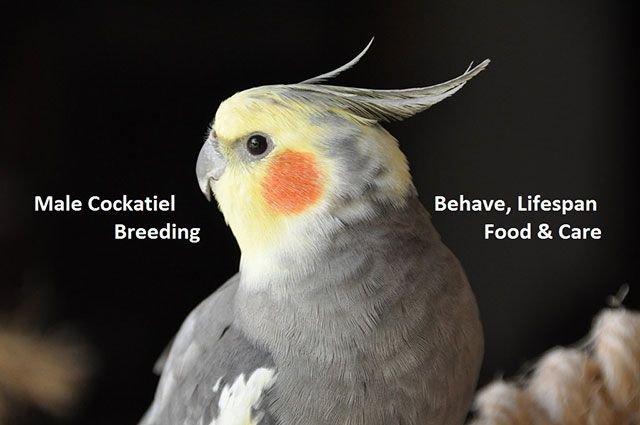
How Does A Cockatiel Lifespan Compare To Other Parrots?
Cockatiels are “intermediate” in the parrot world.
- Budgies: 5-8 years (shorter due to hyper-metabolism).
- Cockatiels: 15-20 years.
- African Greys: 40-60 years.
- Macaws: 50-80 years.
This makes cockatiels an excellent choice for people who want a long-term friend but not a multi-generational burden that requires a will and testament to care for after the owner’s death. They are the “Goldilocks” lifespan—not too short, not overwhelmingly long.
Thinking about adding a parrot to your family? Browse our range of bird care starter kits tailored to each species’ unique lifespan and needs.
Which Parrots Are Known For Living The Longest?
The title for longevity generally goes to the large Macaws (e.g., Hyacinth Macaw) and Cockatoos. Biologically, their slower metabolic rate and large body mass contribute to this. However, this longevity comes with a caveat: these birds often suffer from loneliness if they outlive multiple owners. For the average household, a cockatiel’s 20-year span is significant enough to create a deep bond without the 60-year logistical burden.
What Can You Do To Help Your Cockatiel Live As Long As Possible?
You have more control than you think. Here is an actionable list starting today:
- The Vet Visit: Schedule a “well-bird” exam immediately. Don’t wait for symptoms.
- Diet Shift: If you are feeding seeds, start the conversion to pellets today.
- UV Lighting: Provide full-spectrum UV lighting. It helps them synthesize Vitamin D3, which is essential for calcium absorption.
- Flight Safety: If you allow flight, keep ceiling fans off and cover windows. If you clip wings, ensure the bird cannot glide into walls.
- Air Quality: Use HEPA filters. No Teflon pans (PTFE) in the house. They emit fumes that kill birds in minutes.
- Flock Integration: Eat dinner in the same room as your bird. Preening your bird helps mimic social grooming, lowering stress hormones.
The “Night Fright” Safety Protocol
Cockatiels are prone to nocturnal panic attacks. To prevent injury or death during these episodes:
- Use a small night-light near the cage.
- Do not cover the cage completely (prevents disorientation).
- Keep cage toys minimal at night to reduce impact hazards.
How Can You Tell How Old Your Cockatiel Is?
If you rescue a bird without a hatch certificate, you can estimate age through physical clues.
- Juveniles (Under 1 year): They often have “barred” feathers on the underside of their tail (horizontal stripes). These molt out after the first year.
- Young Adults (1-5 years): The feet are smooth, and the scales are flat and pink.
- Seniors (10+ years): The feet become rough, the scales get crusty and overgrown, and the toenails may thicken. The beak may develop vertical lines (ridges) rather than being smooth.
While not exact, these markers help avian vets determine the life stage so they can recommend appropriate care changes.
Download the Free Cockatiel Longevity Checklist Today
From the 5-Minute Morning Health Scan to the Geriatric Cage Retrofit guide, get every actionable step from this article in one printable resource.
Frequently Asked Questions About Cockatiel Life Expectancy
What Is The Cockatiel Life Expectancy For A Pet Bird?
The average life expectancy for a pet cockatiel is between 15 and 20 years. With exceptional veterinary care and optimal nutrition, some birds can live up to 25 years or more.
What Common Cockatiel Diseases Can Shorten Your Bird’s Lifespan?
The most common fatal diseases are Fatty Liver Disease (caused by seed diets), respiratory infections like Psittacosis, and toxicity from household fumes (Teflon/PTFE). Annual vet screenings are the best defense against these silent killers.