All Wings Aviary



How To Train A How To Train A Cockatiel For A Friendly And Well Behaved Pet Bird
Are you terrified of being bitten by your new, hissing pet bird? Dealing with a nervous prey animal is incredibly frustrating, especially when standard advice fails and your bird only grows more aggressive. I understand this struggle firsthand, having rehabilitated countless rescue parrots. The secret to a friendly bird is not forced interaction; it is understanding avian psychology. This guide delivers my proven, step-by-step roadmap for trust-building, safe indoor recall training, and fun cognitive tricks to transform your terrified cockatiel into an affectionate, well-behaved companion.

Key Takeaways
- Taming is a mandatory phase that completely precedes trick training.
- Never withhold base meals to increase a bird’s food motivation.
- Target training requires sessions under fifteen minutes to prevent fatigue.
- Avian body language dictates the pace of your daily interactions.
Table of Contents
How To Train A How To Train A Cockatiel
Teaching basic behaviors to a cockatiel requires a complete shift in how you view pet ownership. You are interacting with a highly intelligent prey animal whose default reaction to new objects is flight. To overcome this natural instinct, I always focus on becoming a safe, predictable flock member first.
Routine interaction and extreme patience form the foundation of my training framework. Cockatiels possess incredible problem-solving intelligence, but they lack the emotional regulation to handle stressful, extended training blocks. I keep every single session short and strictly positive.
It is crucial to understand the difference between training, bonding, and taming. Taming is the process of desensitizing the bird to your physical presence. Bonding is the mutual affection developed over time. Training is the active process of teaching a specific cue.
You cannot successfully train a bird that is not tamed. Moving sequentially through these phases guarantees success. Skipping environmental desensitization will guarantee setbacks. When I prioritize building trust over teaching tricks, the actual obedience training becomes effortless.
How To Train A How To Train A Cockatiel Successfully As A Beginner?
Interactive Branching Quiz: Is My Cockatiel Ready For Training Today?
Question 1: When you approach the cage, does the bird hiss or retreat to the back corner?
- If Yes: Stop. Your bird is in fear mode. Stick to passive proximity taming.
- If No: Proceed to Question 2.
Question 2: Is the bird’s crest resting at a relaxed 45-degree angle, and are they accepting treats? - If Yes: Go. Your bird is relaxed and ready for a 10-minute active training session.
- If No (Crest is flat or rigid): Wait. Let the bird calm down before initiating contact.
The very first steps you must take involve managing the bird’s environment. Before attempting to touch your cockatiel, ensure their cage is placed in a calm corner of the room. Keep them away from drafty air vents, loud televisions, or predatory pets.
Begin your short daily sessions without opening the cage door. I usually pull up a chair, sit comfortably, and read a book aloud. This passive interaction allows the bird to observe you without feeling threatened.
Table 1: Beginner Daily Training Schedule
| Time of Day | Activity Type | Duration | Primary Goal |
|---|---|---|---|
| Morning | Passive proximity | 10 minutes | Desensitization to human presence |
| Mid-Day | Treat offering through bars | 5 minutes | Building positive food associations |
| Evening | Target / Step-up practice | 10 minutes | Active cognitive learning |
| Night | Quiet reading near cage | 15 minutes | Relaxed flock bonding |
Is Your Cockatiel Too Scared To Touch?
A hissing, biting bird is not a bad bird — it is a frightened one. Discover the passive proximity method that turns fear into trust without a single forced interaction.
How To Tame A Cockatiel?
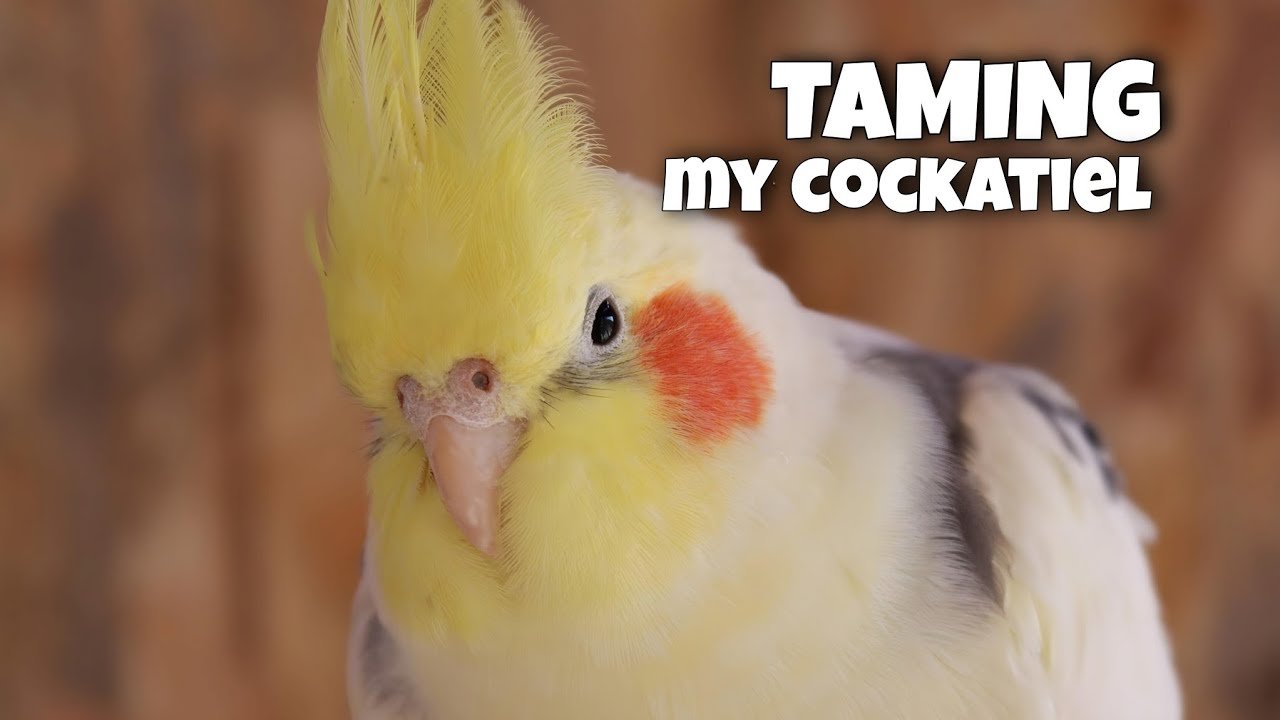
Taming must happen first because a terrified animal cannot process new information. While training asks the bird to perform an action, taming simply asks the bird to tolerate your existence. In my experience with aggressive rescues, the biggest mistake owners make is reaching into the cage to grab the bird.
Trust building requires conditioning the bird to associate your hands with positive outcomes. To do this, I use high-value food rewards. Spray millet is universally loved by cockatiels. To ensure safety, read veterinary guidelines regarding proper seed portioning for small parrots.
To reduce fear, hold a small piece of millet between your fingers and rest your hand against the outside of the cage bars. Do not stare directly into the bird’s eyes. Eventually, curiosity will override fear, and the bird will approach.
Table 2: Training Treat Nutritional Breakdown
| Treat Type | Fat Content | Motivation Level | Daily Limit (Approx) |
|---|---|---|---|
| Spray Millet | High (Fatty) | Very High | 1 inch sprig |
| Safflower Seeds | High (Fatty) | High | 4-5 seeds |
| Pellets | Balanced | Low/Medium | Unlimited (Base diet) |
| Nutri-Berries | Medium | High | 1-2 berries |
How Long Does It Take To Tame A Cockatiel?
Taming time varies wildly depending on personality, age, and previous human exposure. A bird hand-fed by a breeder may step onto your finger within two days. Conversely, an older pet store bird might require three to six months of patient work.
You must set realistic expectations. Progress is rarely a straight line. Your bird might boldly eat from your hand on Tuesday, but act completely terrified on Wednesday. This regression is completely normal.
Daily interaction is the secret to speeding up this process. Committing to ten minutes of quiet proximity twice a day yields far better results than an hour of forced interaction on the weekend. Consistency proves that you are a reliable fixture.
How To Hand Tame A Cockatiel?
Getting a cockatiel comfortable stepping onto a human hand requires a technique called target training. Once the bird eats confidently from your fingers through the bars, open the door. Hold the millet just out of reach so the bird has to lean forward.
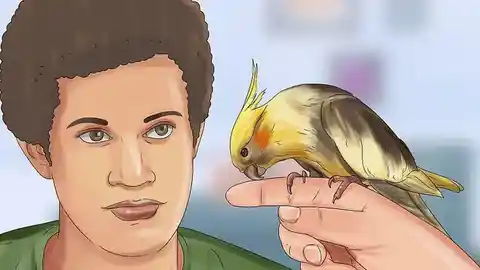
Slow movements and a consistent physical presence are critical. Hold your index finger perfectly horizontal like a tree branch. Press it gently against the bird’s lower abdomen, right above their feet. This gentle pressure naturally prompts them to lift one foot.
As they lift the foot, use a gentle voice cue like “step up.” The absolute second both feet land on your finger, deliver the treat and offer lavish praise.
Table 3: Step-Up Troubleshooting Matrix
| Problem Behavior | Likely Cause | Actionable Solution |
|---|---|---|
| Bird bites your finger | Testing stability / Fear | Do not pull away. Keep hand rigid. |
| Bird runs away | Hand moved too fast | Retreat. Offer treat through bars again. |
| Bird steps up but flies off | Lacks balance on hand | Keep your hand perfectly steady and low. |
| Bird ignores the treat | Not hungry / Stressed | Try training earlier in the morning. |
How To Train A Cockatiel To Come To You?
Recall training is the process where the bird learns to fly or walk to its owner on command. This is arguably the most important safety skill a bird can learn. If your cockatiel ever gets spooked, a solid recall cue ensures they return to your shoulder safely.
Food rewards, clear vocal cues, and distinct gestures help the bird understand what you want. Start with the bird on a perch. Take one step back, extend your arm, and say “come” while showing them the millet.
Practice recall safely indoors before ever attempting longer distances. I always run through a strict pre-flight safety checklist: close all doors, draw the blinds, turn off ceiling fans, and ensure the stove is off. Gradually increase the distance by taking two steps back.
How To Play With Cockatiel?
Play sessions are vital for mental stimulation and help reinforce the trust built during training. In the wild, cockatiels spend hours foraging for seeds. Without mental enrichment in captivity, they develop severe behavioral issues.
Safe toys and gentle interaction games keep their minds sharp. Provide foraging toys made of natural wood or untreated paper. You can hide small pieces of millet inside a crumpled piece of paper and let the bird tear it apart.
Playful interaction deepens the flock dynamic between you and your pet. When a cockatiel associates you with fun activities outside the cage, they become eager to interact. A mentally stimulated bird is significantly more focused.
3 Tricks Your Cockatiel Can Do?
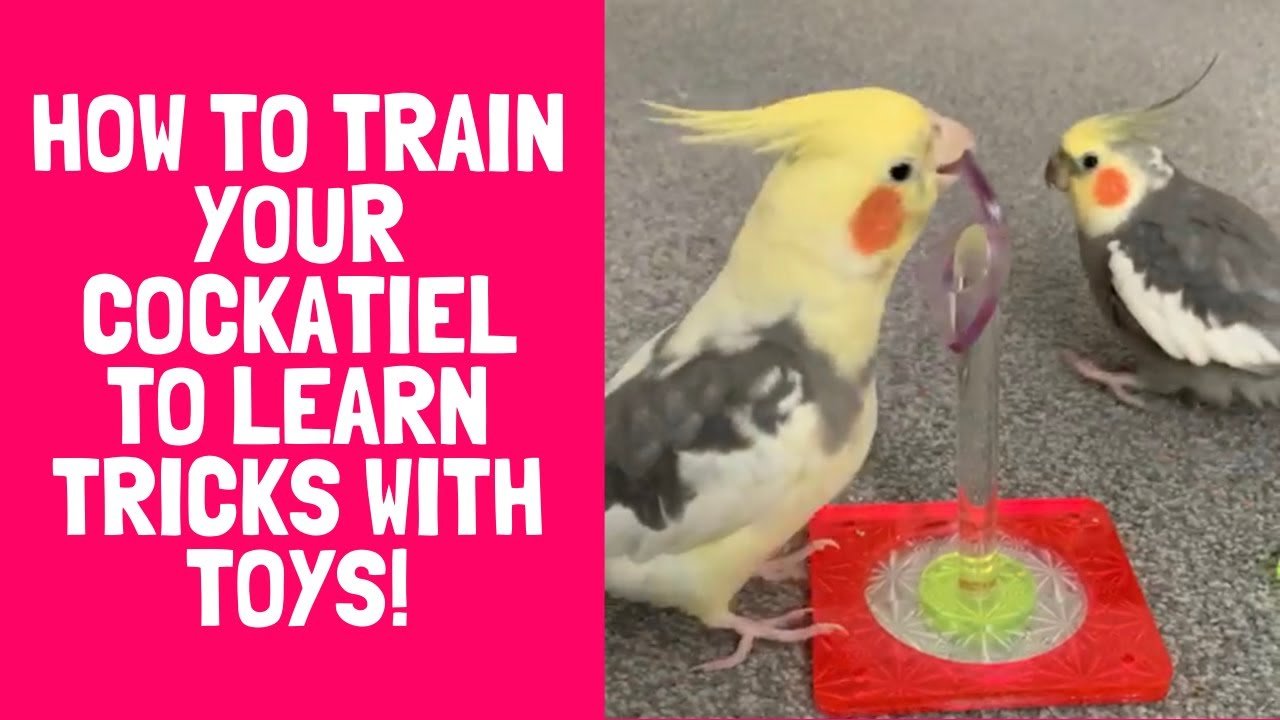
Once basic taming, the step-up command, and indoor recall are solidly established, you can introduce simple tricks. Beginner bird owners often overlook trick training. In reality, teaching tricks provides excellent cognitive enrichment.
Tricks stimulate the bird’s intelligence and prevent cage boredom. Cockatiels thrive on problem-solving. When you use positive reinforcement, learning a trick feels like a highly rewarding game. It gives the bird a job to do.
To ensure success, I recommend picking up beginner friendly cockatiel training toys and clicker tools. To understand why clickers work, review avian cognition studies that explain auditory markers. A clicker provides a sharp sound that marks the exact moment the bird performs correctly.


How Can A Cockatiel Turn Around On Command?
To teach the spin trick, you will use a food lure to guide the bird in a circular motion. Have the cockatiel stand on a flat tabletop. Hold a piece of millet right in front of their beak. Slowly drag the treat to the side and slightly behind them.
Use clear hand gestures and voice commands to reinforce the action. As you lure them in a circle, say the word “spin” in a cheerful tone. The moment they complete a full rotation, click your clicker.
Consensus & Authoritative Sources:
Avian veterinarians and behaviorists hold a strict consensus: birds do not respond to dominance theory or physical punishment. According to the Association of Avian Veterinarians, positive reinforcement (rewarding desired behaviors while ignoring undesired ones) is the only scientifically backed method for modifying parrot behavior safely.
Gradual repetition leads to a reliable performance. Practice this for no more than five minutes a day. Over time, you will fade out the food lure. You will eventually only need to twirl your finger in the air.
4 Month Old Cockatiel?
Age plays a massive role in learning ability and behavioral responsiveness. A four-month-old cockatiel is entering its adolescent phase. They are highly observant and incredibly sponge-like when it comes to learning new routines. This is the best time to establish good household habits.
Owners can expect a young cockatiel to be clumsier but highly curious. Around this age, they enter a bluffing phase. For a deeper understanding of this phase, research parrot developmental stages to see how hormones affect behavior. They may suddenly hiss or nip to test boundaries.
Proper socialization during this early life stage prevents phobias later on. Gently introduce the four-month-old bird to different rooms, various household sounds, and different family members. Exposing them safely to novel experiences creates a confident adult bird.
Do Cockatiels Pick A Person?
It is incredibly common for cockatiels to form an intensely strong bond with one particular human. In their natural habitat, these birds choose a single mate for life. In a living room, they project this instinct onto the person who spends the most time near their cage.
You can easily identify their preferred human companion through body language. The bird will emit a loud flock-call when their favorite person leaves the room. To understand this flock dynamic, consult animal behavior consensus journals on parrot bonding.
Proper training ensures the bird remains friendly toward everyone. The chosen person should occasionally step back. Let other family members be the exclusive providers of high-value treats to socialize the bird evenly.
Train Your Cockatiel The Way Avian Vets Approve
The Association of Avian Veterinarians confirms it: positive reinforcement is the only science-backed method. Follow the exact framework used to rehabilitate countless rescue parrots.
How To Tell If A Cockatiel Is Happy?
Visible signs of happiness are entirely physiological. A content cockatiel will feature a relaxed crest that rests at a 45-degree angle. You will often hear a soft beak-grinding noise when they are settling down for a nap.
Behaviors that show comfort include leaning eagerly toward your hand and puffing out their cheek feathers. If the bird stretches one wing and one leg backward simultaneously, it is a sign of deep relaxation.
Table 4: Avian Body Language Guide
| Avian Posture | Crest Position | Underlying Meaning | Handler Action Required |
|---|---|---|---|
| Beak grinding | Relaxed | Content and secure | Let the bird rest safely |
| Pacing the cage | Alert, halfway up | Eager for interaction | Initiate training or play |
| Swaying, hissing | Flat against skull | Terrified, defensive | Retreat instantly to reduce stress |
| Sleek feathers | Straight up, rigid | Startled, highly alert | Speak softly to calm them |
It is vital to recognize when your cockatiel genuinely enjoys interacting. An engaged bird will pace the front of the cage when you enter the room, anticipating your training sessions.
What Not To Do To A Cockatiel?
Certain beginner mistakes will instantly destroy months of careful trust-building. The most severe error is forcing interaction through physical domination. Never throw a towel over a healthy bird just to get them out of the cage.
Behaviors that cause immense stress include loud yelling, unpredictable routines, and tapping on the cage bars.
Fact-Check: The “Starvation Training” Myth
- The Myth: You should withhold a bird’s normal meals for 12 hours so they are hungry enough to work for training treats.
- The Fact: This is dangerous and abusive. Cockatiels have incredibly fast metabolisms and can suffer organ damage if starved. A bird must always have access to its base diet (pellets/seeds). Training treats (millet) must be high-value extras provided only during sessions, not meal replacements.
If a bird bites you, your natural instinct is to jerk your hand away and yell. To a bird, this dramatic reaction is actually exciting and reinforces the bite. You must remain completely calm and neutral.
Grab Your Free Cockatiel Body Language Cheat Sheet
Never misread your bird again. Download the complete crest-position and posture guide so you know precisely when to train and when to back off.
Frequently Asked Questions About How To Train A How To Train A Cockatiel
Can You Train A How To Train A Cockatiel To Follow Basic Commands?
Absolutely. Cockatiels are exceptionally smart and can easily learn to follow basic commands. By utilizing target training, clickers, and positive reinforcement, I routinely teach cues like “step up,” “spin,” and “wave.” The secret lies in extreme consistency and keeping training sessions strictly under fifteen minutes to prevent the bird from losing cognitive focus.
How Do I Tame A Cockatiel So It Is Comfortable Around People?
To tame a cockatiel, start by placing the cage in a quiet, low-stress environment. Sit near the cage daily without forcing physical contact. I recommend offering high-value treats, like millet, through the cage bars. Speak softly, move slowly, and allow the bird to approach your hands entirely on its own terms to build lasting trust.