


Red African Grey Parrot Complete Care And Color Guide For Owners
Many owners search for red african grey parrot and expect a mostly red bird. That mistake costs money and stresses the bird. I have handled African Greys for ten years and I will show you how to spot true Red Factor birds, rule out feather damage, and care for healthy plumage with simple checks you can do at home.
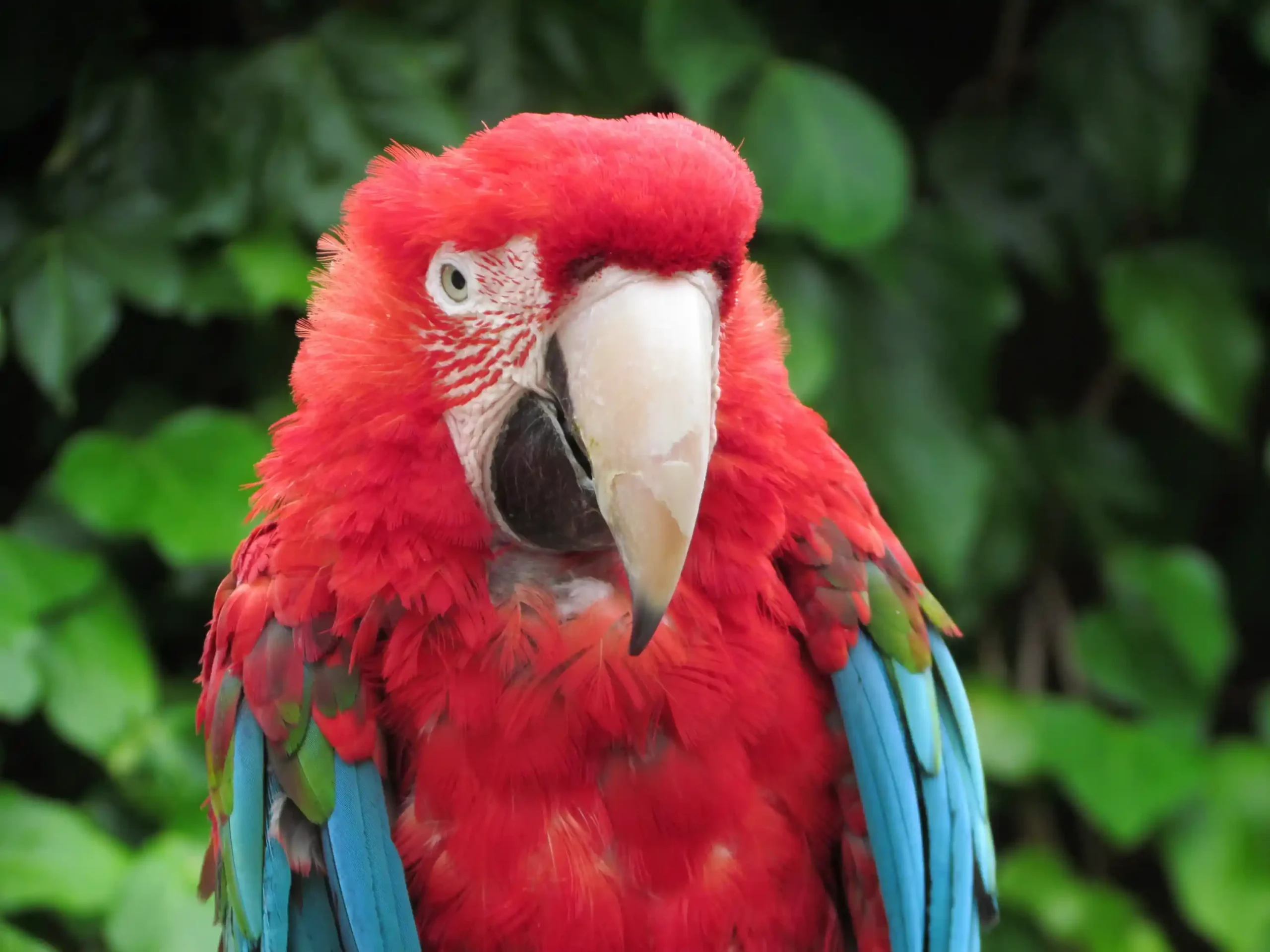

Key Takeaways
- The term red african grey parrot means a normal grey bird with a red tail, not an all-red bird.
- True Red Factor birds are rare, symmetrical from hatch, and require breeder paperwork.
- Random red patches usually signal diet gaps, stress, or follicle damage, not genetics.
- Tail feathers should molt in pairs and regrow evenly. Sudden loss means vet check.
- Never feed avocado, fruit pits, salt, or butter. Plain egg and Cheerios are weekly treats only.
- Use the diagnostic table and quiz below to decide if you need a vet.
Table of Contents
Red African Grey Parrot
People use the term red african grey parrot to describe the Congo or Timneh species because of the bright red tail. I have seen buyers pay double for birds labeled “rare red” that were actually plucking.
Here’s the thing: the body should be even steel grey with scalloped lighter edges on the head. Any red outside the tail needs proof.
Expert Tip: I always ask for parent photos, hatch certificates, and a written health record. Without them, assume the bird is standard.
Gray Parrot With Red Tail
A normal grey parrot with red tail shows solid grey plumage and a vivid tail. Brightness varies slightly. This is not rarity.
I track molts with a simple log. Healthy birds drop 2 to 4 tail feathers over weeks, not all at once.
Molting Tracker I Use
| Week | Feathers Lost | Regrowth Notes |
|---|---|---|
| 1 | 1 tail | Shaft smooth |
| 3 | 2 tail | Even color |
| 6 | 0 | Full |
Are You Sure Your Parrot Is A True Red Factor?
Many owners mistake feather damage for genetics. Take our 3-step branching quiz to identify true Red Factor birds and avoid costly mistakes.
Red Tail African Grey
The red tail is fully colored by 12 months. It stays bright with proper humidity and diet. I keep humidity at 50 percent and mist every other day.
But that’s not all. Stress lines (black bands) on the shaft mean corticosterone spikes. That is a vet issue.
Can African Greys Be Red?
Fact-check: African Greys cannot be naturally red all over. Red pigment (psittacofulvin) appears only in the tail unless bred for Red Factor. Full-body red without paperwork is damage.
Consensus of Experts
| Source | Statement |
|---|---|
| Association of Avian Veterinarians | Red Factor requires genetic testing |
| “Merck Veterinary Manual” -> Feather follicle damage causes | Stress and malnutrition alter pigment |
| World Parrot Trust | True Red Factor is rare and documented |
Red Factor African Grey Or Follicle Damaged AG?
A Red Factor African Grey shows symmetrical red from the first molt and comes with lineage records. Follicle damaged birds get random patches after stress, poor diet, or injury.
The real question is: how do you tell? I use this table daily.
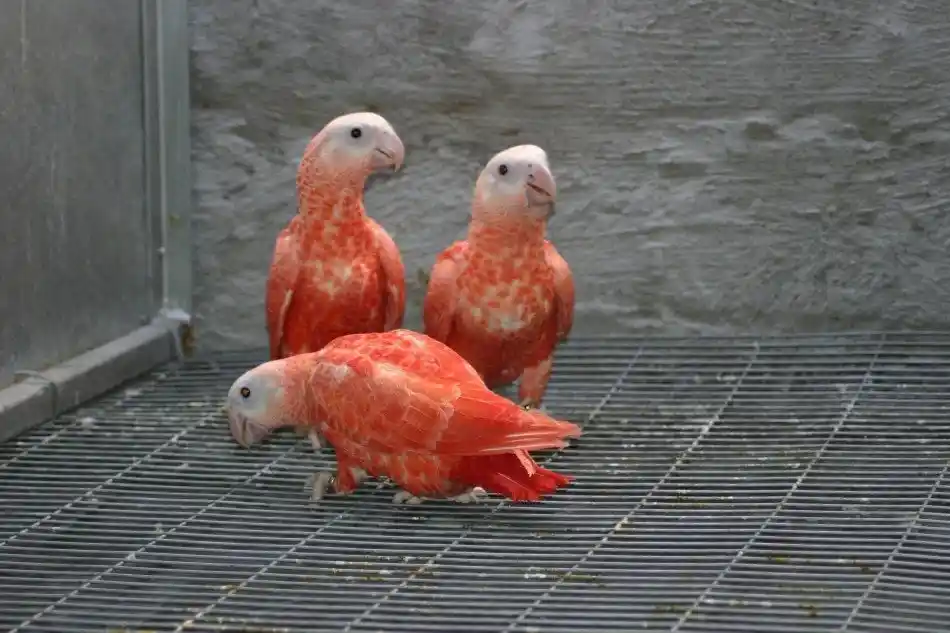
How Can You Tell The Difference Between Red Factor Feathers And Damaged Feathers?
| Indicator | Red Factor | Damage |
|---|---|---|
| Symmetry | Even both sides | Patchy |
| Onset | Since hatch | After stress |
| Records | Breeder paperwork | None |
| Behavior | Normal preening | Plucking, biting |
Branching Quiz: Red Factor or Damage?
- Did red appear before 6 months? Yes -> likely Red Factor. No -> go to 2.
- Is red even on both sides? Yes -> ask breeder for DNA. No -> likely damage, vet check needed.
- Any plucking or stress lines? Yes -> immediate vet. No -> monitor with tracker.
Normal To Have This Much Red?
Normal red is tail only. A few chest flecks can occur in verified Red Factor lines. Widespread red on wings or back is not normal.
I warn owners to photo the bird monthly. Snapshots lie. Trends tell truth.
Factors In Parrots Mean Color Variations
Genetics sets baseline. Nutrition builds pigment. Environment protects it.
I switched a rescue from seeds to pellets, vegetables, and 30 minutes of indirect sunlight. Feather sheen improved in 8 weeks.
Cost Breakdown I Share With Buyers
| Item | Typical Range |
|---|---|
| Cage | Varies by size |
| Pellets | Monthly |
| Vet check | Annual |
Do not buy based on color alone.


What Fruit Can African Greys Not Eat?
| Food | Why | Safe Portion |
|---|---|---|
| Avocado | Persin toxin | None |
| Apple seeds | Cyanide | Remove |
| Dried fruit | Sugar | Rare treat |
Can African Greys Eat Scrambled Eggs?
Yes. I offer plain scrambled egg, no salt or butter, one teaspoon weekly. It supports protein during molt. More causes kidney stress.
Can African Greys Have Cheerios?
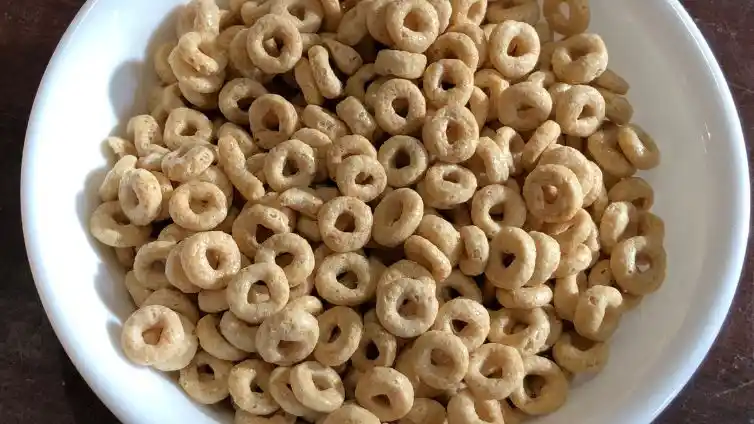
Plain Cheerios, 2 to 3 pieces weekly max. I use them for training. Flavored versions have sugar and additives that harm.
Join Experts Who Prioritize Parrot Health
Follow the proven methods of avian specialists to spot true Red Factor birds and ensure your pet thrives with expert-backed care.
What Toys Do African Greys Like?
| Toy | Benefit | Rotation |
|---|---|---|
| Foraging puzzle | Natural search | 5 days |
| Shreddable cardboard | Chewing | 7 days |
| Puzzle lock | Problem solving | 5 days |
Buyer Beware: I remove rope toys with loose threads. They trap toes.
I rotate toys every 5 to 7 days. A calendar prevents boredom.
Explore our curated parrot toy kits designed to boost mental stimulation and keep your bird actively engaged.
Do African Greys Like Rain?
Wild Greys bathe in rain. Mine prefer misting. I use lukewarm water, avoid the face, and keep humidity 45 to 55 percent.
Bathing Schedule I Follow
- Mist: every other day
- Shower: weekly, supervised
- Dry: warm room, no drafts
Can African Greys Cry?
They do not cry tears. I interpret distress through pinned eyes, fluffed feathers, and repetitive high calls. Learning this stopped me from misreading attention seeking as sadness.
African Grey Parrots For Sale
I tell buyers to demand hatch certificate, parent photos, and vet reference. Reputable breeders allow independent vet checks.
Buyer Checklist
- Written lineage
- Vet exam allowed
- No pressure sales
- Clean facility
Contact our trusted partners to reserve a verified healthy parrot with expert support and transparent lineage records.
Download The Free Molting Tracker PDF
Use this simple log to track tail feather loss and regrowth, ensuring your African Grey stays healthy and molting evenly.
Frequently Asked Questions About Red African Grey Parrot
What Is A Red African Grey Parrot And What Should Owners Know About It?
It is a standard African Grey with a red tail. True Red Factor is rare and documented. Focus on diet, humidity, and enrichment, not color hype.
How Do You Tell If Your African Grey Is A Red Factor Or Has Damaged Feathers?
Use symmetry, onset, and paperwork. Red Factor is even from hatch with breeder records. Damage is patchy and appears later. The quiz and table above give you a start, but a vet confirms.